REBOOT – Reviving, Boosting, Optimising and Transforming European Film Competitiveness

Project Conclusion
Univ.-Prof Dr. Katharine Sarikakis
Professor of Media Governance and Media Industries
Director, Media Governance and Industries Research Lab
Coordinator of the REBOOT project
The sleeping giant, the European Film Industry: REBOOTing right questions and daring answers
One of the pressing questions in the film industries across the world has historically been how to best protect national cinema and how to make it competitive. Europe has been returning to this question over several decades now, sometimes through policies, sometimes through refocusing its research agenda. This question is not new. It has also not had any definite answers.
To explore the long-standing strengths and pervasive gaps in European competitiveness and policies for competitiveness.
To place attention to the active preparation for the future in the area of audiences by exploring audience preferences and their generation, as well as modes of film content production.
THE 5 DIMENSIONS OF THE PROJECT
Increasing support for young people’s engagement with European Film
Strengthening the place of the EU in the global audiovisual economy.
Supporting cultural diversity in the EU film industry
Addressing the need for a different understanding of competitiveness.
Recognising and supporting the importance for the EU of film and,more broadly, of the cultural and creative sector as a geopolitical asset
FACT SHEET
FACT SHEET
361 Interviews Conducted 432 Respondents 42 International Conferences Attended 736 Strategic Documents / Policies Reviewed 10 Languages 11 Advisory Board Members 13 Policy Briefs 46 Academic Publications 5,000+ Children and Young Respondents 24 Festival / Roundtable / Event Participations
- 60+ participants
- 2 days
- 6 keynotes
- 14 Scientific presentations
SEE WHAT'S NEW
SEE WHAT'S NEW

UNIVIE’S REBOOT JOURNEY
UNIVIE’S REBOOT JOURNEY
Angeliki Chatziefraimidou aka Aliki
favourite movie since REBOOT started:Loving Vincent (2017), Poland & the United Kingdom, directed by Dorota Kobiela and Hugh Welchman.
The film is an experimental animated historical drama, which has won the Best Animated Feature Film Award at the 30th European Film Awards in Berlin, in 2017, as it is the first fully painted animation film from 125 artists around the world, who used the technique of Van Gohn: The 65.000 frames of the film are all oil paintings on canvas.
favourite moment at REBOOT: One personal highlight of this project was the first Children’s University (Kinderuni) Workshop, in which our team participated in 2024. It was the first effort to disseminate the REBOOT project’s mission to children aged 10 to 12 through an interactive workshop. The activities our team organised for this purpose, the setting, the team-work, children’s creativity and their special outcomes, turned this into a special experience for me. One more experience was the REBOOT’s consortium meeting in Château de La Napoule, in Cannes, which included the REBOOT’s participation in the Cannes film festival (2025).
My experience in REBOOT was life-changing, as it was the first project I worked on. The focus of the field and its impact not only highlighted the role of children as civic actors in the film industry and a key factor for the industry’s competitiveness, but also showed how film can be a means of creativity, expression and connection in the digital age.
Collaboration with the partners was an amazing experience. Working with professionals across Europe who shared the same passion, while also having unique opportunities for exchange and cooperation, was truly interesting. The working environment within the Vienna team was excellent - and it was an honour to work with people who are passionate and deeply committed to everything they do.
It was a once-in-a-lifetime opportunity to learn about the European film industry through the eyes of young people, to grow within academia through conferences and publications and to develop both as an individual and as a team under the leadership of Prof. Sarikakis, a remarkable visionary and academic professional leader.
As this project comes to an end, its impact has only just begun, shifting the perspective of competitiveness in the European film industry away from numbers and toward people: toward children, preferences, needs and voices behind the statistics. Film is no longer seen merely as a product, but as the identity and stories of those who create and express them, and of those who see themselves represented or learn about the stories and cultures of others.
I want to extend my gratitude to my colleagues who worked beside me through deadlines, deliverables, research, writing, publications, travel and celebrations, because, at the end of the day, these people made my journey so special.
Sarah Baumgartner aka Sarah
favourite movie:The Day Iceland Stood Still (2024) - Iceland, USA - Dir.: Pamela Hogan
The Day Iceland Stood Still is an Icelandic-American documentary film by Pamela Hogan and Hrafnhildur Gunnarsdóttir from 2024. It focuses on the major women's strike on October 24, 1975, during which 90 percent of Icelandic women stopped both their professional and domestic work to demonstrate for gender equality.
favourite moment at REBOOT: The conference in Vienna - my first experience in an academic space. Truly exciting, full of new insights, inspiring conversations, and perspectives that broadened my view and motivated me both intellectually and personally.
add anything else funny/interesting thought provoking: REBOOT also taught me that research isn’t just books, theories, and serious faces - it’s curiosity, chaos, strong opinions, late questions, and people who care a lot. Basically: less ivory tower, more real life. And somehow, that made it even more exciting.
From the very beginning, REBOOT stood out to me as a project that engages with a highly central and timely research topic. Even though I joined at a later stage, I immediately felt how relevant and meaningful the work was, and how much care and commitment had already been invested in the project. Becoming part of this process was both motivating and inspiring.
REBOOT was my first experience in a research project, and it allowed me to engage deeply with questions that are crucial to understanding film not only as an industry, but as a cultural and social space. As a passionate cinema-goer, it was especially exciting to work on a topic that I genuinely care about, and to see how personal interest and research-driven inquiry can come together in such a productive way.
What truly shaped my experience was the team. Working with such dedicated, open and enthusiastic people created an environment in which exchange, collaboration and mutual support were central. The strong sense of teamwork made it easy to stay motivated, to ask questions and to contribute ideas, regardless of the limited time I spent in the project.
Throughout my involvement, I was able to develop further, learn new things and gain valuable insights through hands-on research work and constant exchange with the team. I felt encouraged to grow, to reflect and to engage more confidently with complex questions, which made the experience particularly rewarding.
I feel very honoured to have been part of REBOOT. The project offered a space to engage seriously with a central research theme, to exchange ideas and to experience how collaborative research can be shaped by shared curiosity and dedication. At the same time, it highlighted how colourful and diverse the European film industry truly is, and how artistic independence functions as a lifeline of society - an expression of diversity and, ultimately, a celebration of life.
Katharine Sarikakis aka KS or Prof
favourite movie:the Murderess (Greek: H Φόνισσα) 2023, Greece. Dir: Eva Nathena
Directed by Eva Nathena, the film derives from Greek literature of the early 20th century. The Murderess, H Φόνισσα, was written by Alexandros Papadiamantis, in 1903. The work is set in the late 1880s Skiathos in Greece and is the story of midwife Chadoula, who commits a series of murders of infant girls in her small village. Chadoula resorts to murder, in order to spare girls from a life of oppression and suffering as adult women. The film and book show her psyche, traumatised by a life of severity and suffering, as it is tormented between her conscience and her desire to deliver women from an insufferable, inescapable fate. The film criticises the conditions leading to femicide, here in this story ironically by a woman with the intention of salvation, the victims of misogyny to our days. The underpinnings of the work are also to be found in the critique against violence against women and femicide as direct hate crimes. Chadoula’s acts are importantly motivated not by hate against women, but by compassion for girls and by rage against the fate that awaits them - a misguided, desperate act to save women from a prolonged death and assault on their soul and body. The film returns to the theme of violence against women through its treatment of femicide both through a historical lens and an unmistaken sharp view of the persistence violence against women and girls that spikes in times of crises. The movie came out of the post-covid era, a time where violence against women and the killings of women rose significantly across the world. The power of storytelling lies in its connecting, in an unsettling manner, practices of times gone that, however, remain painfully persistent in our times: not only the murder of female infants, but also that of girls and women.
favourite moment at REBOOT: the excitement and conviction of our work; the amazing opportunity to convey children’s voices through our research; the deep and long lasting friendships made at our consortium. The moment I was called ‘Coordinator of our Hearts’.
Leading young people to expand their skills, realise their capabilities and challenge their perceptions: working with an amazing team of young people to support the work of the whole consortium was incredible. Our work will generate publications for years to come and we are convinced we have something invaluable to offer to the future of our common heritage of European culture and film. The moments in festivals, meetings, workshops and the opportunity to expand the research as it developed. The incredibly rich intellectual volume of ‘smarties’ all around me: my team, my colleagues and all the young people that became involved and part of our 60 strong consortium.
The storytelling of storytelling!
Concluding the REBOOT journey: Polish REBOOT Team Presents Research on Film Consumption and Internationalization at National Conferences
Concluding the REBOOT journey:
Polish REBOOT Team Presents Research on Film Consumption and Internationalization at National Conferences
As part of the dissemination of research findings within the REBOOT project, members of the Polish research team presented their work at key national conferences in fall 2025. At the 9th National Conference “The Polish Media System in the Process of Change”, held in Kielce, Poland, on December 4, 2025, the team presented the paper “Intergenerational Changes in the Contemporary Approach to Film Consumption: Generation Z Preferences in Film Creation, Distribution, and Presentation”, authored by Jacek Mikucki and Alicja Waszkiewicz- Raviv.

Concluding the REBOOT journey: Takeaways from the REBOOT report Lessons from the past.
Concluding the REBOOT journey:
Takeaways from the REBOOT report Lessons from the past.
The REBOOT-report, deliverable 2.4, Lessons from the past. European film industry looks back at thirty years of changes, challenges, and paradoxes, is part of the broader WP2 of the REBOOT-project, and it is a collaboration between Ghent University, UCM and the University of Warsaw. This report is inspired by the annually returning, widely spread and quoted Nostradamus report, which entails a bottom-up, future oriented perspective of the (European) filmed entertainment industry through means of expert-interviews with senior European industry professionals. However, this report, although it incorporated a similar methodological approach, gathered the data based upon a more extensive body of interviews and altered the future oriented perspective by implementing a historical approach. This allowed the report to provide a comprehensive and extensive overview of the most profound changes, challenges and developments in the European film industry (EFI) over the span of the last thirty years. In total, 68 pan-European industry professionals and important senior stakeholders were contacted and successfully interviewed: twenty-five Flemish-, twenty-three pan-European- and twenty Spanish interviews.
This unique approach resulted in the emergence of rich data sets elaborating on the challenges and developments perceived by important European industry professionals, which was subsequently subdivided into four thematic clusters structuring the report in general. Those clusters are related to production, distribution, exhibition and policy. The most preponderant questions delved into overproduction, the long standing American dominance in the global film industry, the impact of streaming services’ recently acquired hegemonic position, the impact of digitization processes and corresponding technological shifts, the divide between economic and cultural interests, the place of cinema in the current ecosystem, the perceived idea of competitiveness in general, and, finally, some questions related to policies implemented in the fragmented European film industry.


Concluding the REBOOT journey: Université Côte d’Azur in REBOOT – Innovation, Immersion and the Future of European Film
Concluding the REBOOT journey:
Université Côte d’Azur in REBOOT – Innovation, Immersion and the Future of European Film
As the REBOOT project is brought to completion (2023–2026), Université Côte d’Azur (UniCA) is honored to have been part of the consortium’s common goal: boosting the competitiveness of European film industry while keeping cultural diversity, creativity, and young audiences at the very core of the conversation.
UniCA examined how Extended Reality tools (VR/AR/MR/XR) might alter the way young audiences engage with screen-based content. We approached XR as an extension of cinema as well as an emerging form of storytelling where attention, space, and interaction become part of the narrative. By comparing public funding and support schemes (in Europe and beyond), we identified that current policy frameworks remain fragmented and often provide insufficient support for cinema/XR hybridization at scale. Alongside this policy work, we conducted experimental audience research using eye-tracking to better understand how viewers perceive and process spatial information in immersive environments. The findings point toward distinctive cognitive and attentional dynamics in XR settings-suggesting that immersive formats may open new paths to engage younger publics and renew the attractiveness of European audiovisual creation.

Concluding the REBOOT journey: UC3M and the REBOOT Project
Concluding the REBOOT journey:
UC3M and the REBOOT Project
From the outset, REBOOT offered UC3M a unique opportunity to advance research on the international circulation of European cinema, its competitiveness, and the role of public policies and institutional frameworks in promoting European films abroad. The UC3M research team participating in the project was led by Prof. Luis A. Albornoz, with Prof. María Trinidad García Leiva and Isabela M. Vargas Miranda, and engaged in qualitative and quantitative methods including desk research, interviews, an online survey, policy analysis, and active participation in international events and discussions.ts.
Within this work, UC3M analyzed the policies and incentives supporting the international promotion of the European and Spanish film industries (Task 3.4). This involved interviews with institutional representatives and an analysis of Spain’s public support framework. In parallel, the team examined the perceptions of international film professionals regarding the European film industry (Task 4.3), focusing on Latin America, through desk research, semi-structured interviews and an international survey with key film industry stakeholders in Argentina, Brazil and Mexico. Both lines of inquiry provided nuanced insights into the opportunities and challenges of promoting European films internationally, highlighting the institutional support available in Spain and the perspectives of Latin American stakeholders, identifying potential avenues for stronger cultural, industrial, and economic collaboration.
Concluding the REBOOT journey: Three years of Reboot – on looking back and moving forward
Concluding the REBOOT journey: Three years of Reboot – on looking back and moving forward
Almost three years after the start of REBOOT, the project is now about to wrap up. The results have been published, the deliverables submitted and the milestones accomplished. We have travelled to present results at conferences, round tables and festivals, we have discussed them with representatives from the European Film Industry while at the same time trying to make a wide audience aware of what is at stake in its defence. Many of us will keep working on some of the questions tackled in these 36 months in future publications and research projects.
It’s also time to mention some aspects that personally stood out in this process.


Concluding the REBOOT journey: A letter from Greece
Concluding the REBOOT journey: A letter from Greece
Participating in the REBOOT project as a researcher in the ELIAMEP team was an enriching professional experience, but also personally meaningful, as it was my first Horizon Europe project. From the very start I found the collaborative spirit across partners and institutions inspiring, the diversity of perspectives refreshing, and the shared commitment to strengthening European film competitiveness motivating. Working closely with colleagues from different countries (great teams of academics, researchers and experts) brought fresh insights, encouraged me as an EU law researcher to think beyond familiar frameworks, and it deepened my appreciation for the value of cross-disciplinary partnerships.

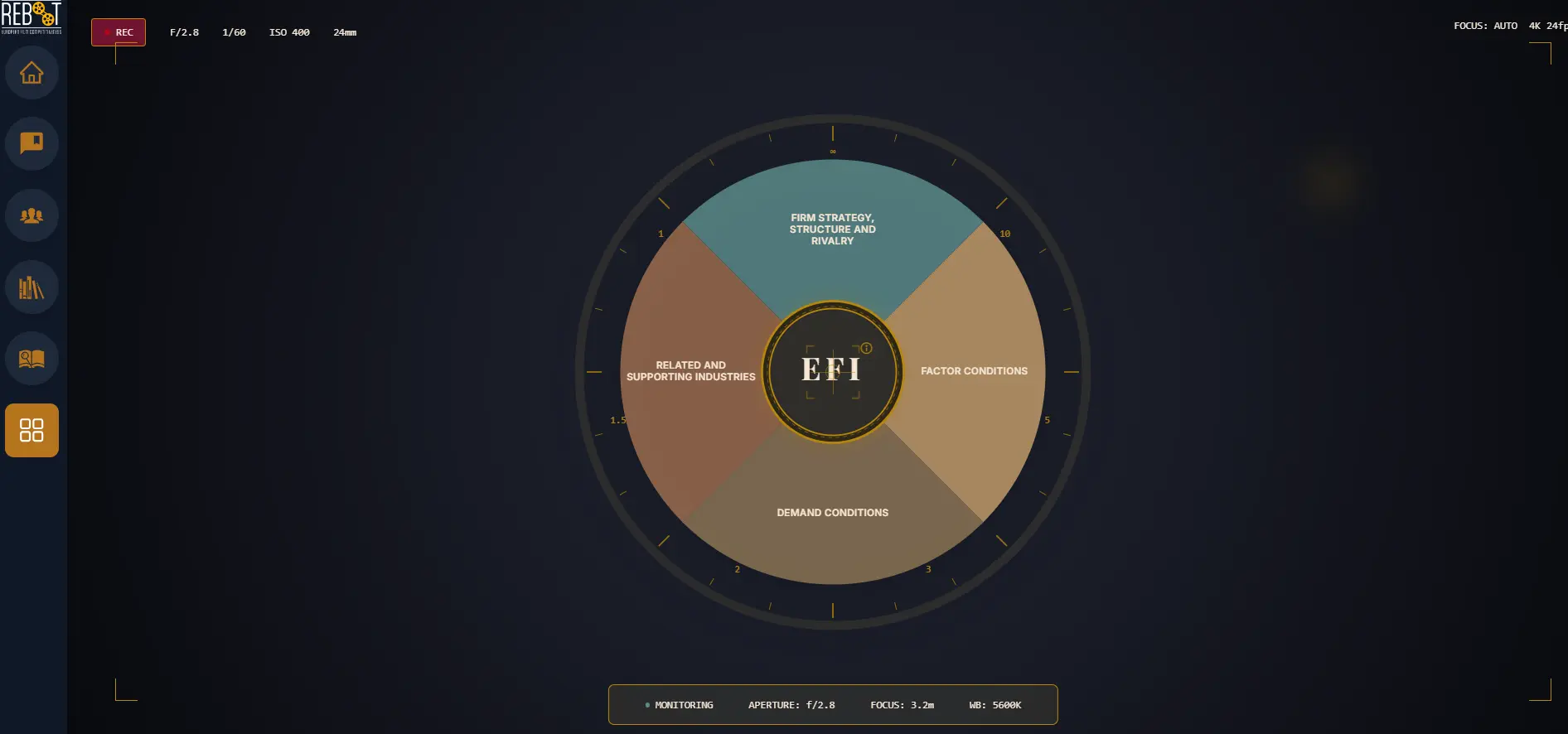
Release of Film-Industry Competitiveness Dashboard: An interactive way to see the EFI.
The newly developed Film-Industry Competitiveness Dashboard is an innovative digital tool designed to help stakeholders, researchers, and policymakers better understand—and ultimately improve—the performance of Europe's screen industries. Accessible through the Reboot project website, the Dashboard provides open access to a rich collection of data, indicators, and analyses generated through extensive research carried out by the project's consortium partners. These include insights from Deliverable 2.4, which explores key paradoxes in the European film industry over the past three decades; Deliverable 3.6, which examines the institutional context shaping industry dynamics; and Deliverable 6.2, which presents socio-economic indicators of the European Film Industry (EFI).
Grounded in Michael Porter's Diamond Model (Porter, 1990), the Dashboard adopts a well-established economic framework and adapts it to the specific realities and complexities of the European film and media sectors. While Porter's model was originally designed to assess national competitive performance, its reinterpretation within this project enables users to explore the creative industries through a multidimensional and context-sensitive lens.
The Dashboard is organised into four interactive domains, each corresponding to one of the model's core determinants of competitiveness. Through a combination of qualitative and quantitative indicators, users can navigate the following areas:
Factor Conditions, which highlight the availability of skilled professionals, state-of-the-art facilities, technological infrastructure, and training ecosystems.
Demand Conditions, which assess audience behaviour, levels of sophistication, cultural diversity, and the overall scale and structure of film markets.
Related and Supporting Industries, examining how complementary sectors—including advertising, tourism, education, and technology—contribute to and benefit from audiovisual activity.
Firm Strategy, Structure, and Rivalry, which explores how companies innovate, collaborate, and compete within their local, national, and European environments.
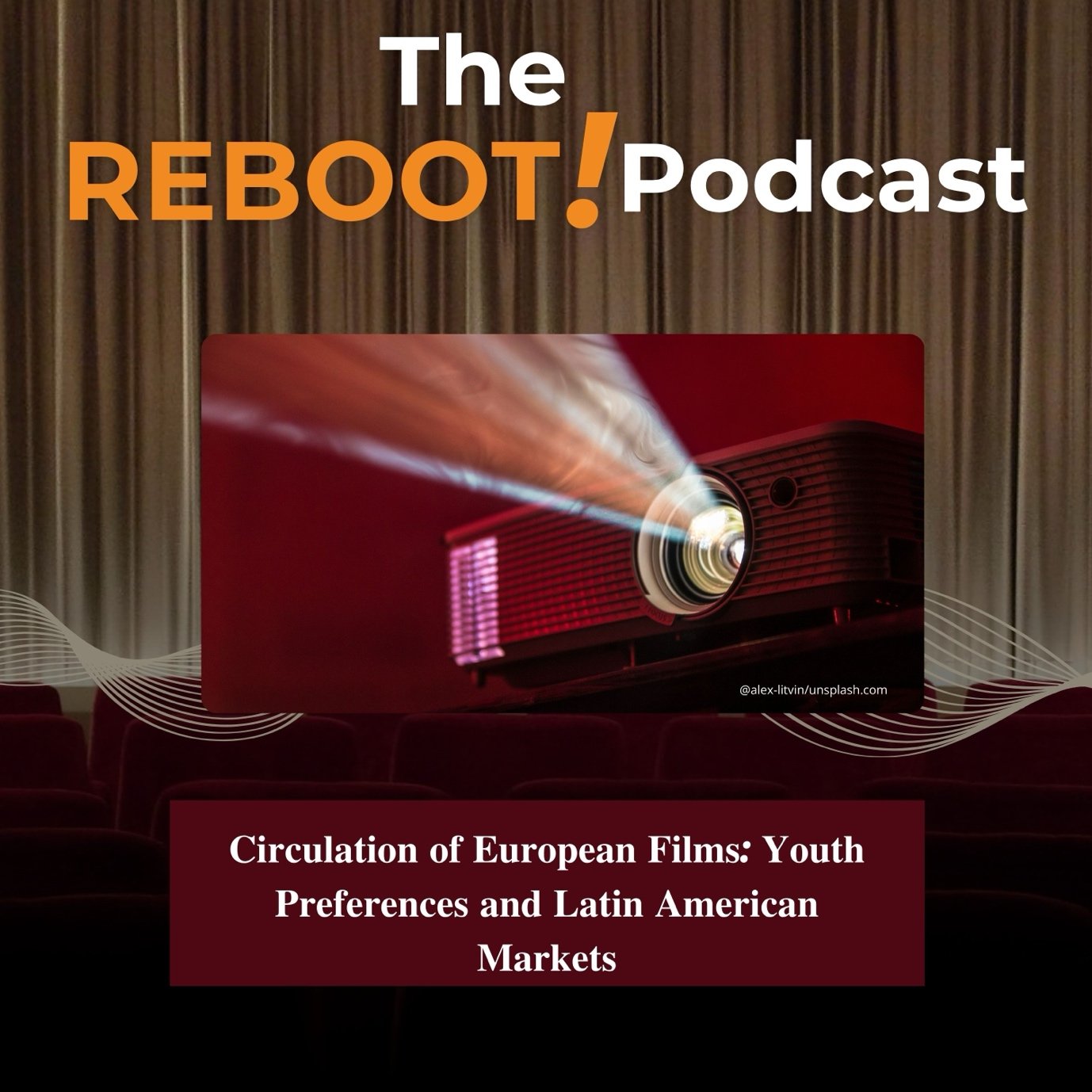
REBOOT Podcast - Episode 4 Out Now!
Under the theme "Circulation of European films: youth preferences and Latin American markets", this episode explores research insights from the REBOOT project revealing how young audiences across Europe are reshaping cinema. Based on insights from over 4,500 young people, we take a look at the global cinema through the lens of the REBOOT project. These exchanges were conducted in collaboration with CAACI Iberoamérica at the Cannes Marché du Film.
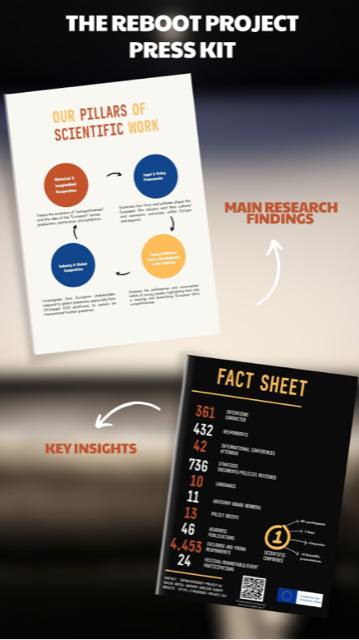
Now Available: The REBOOT Press Kit!
The REBOOT press kit offers a comprehensive overview of the project's current state, detailing ongoing research activities, key findings and contributions to the EFI research field.
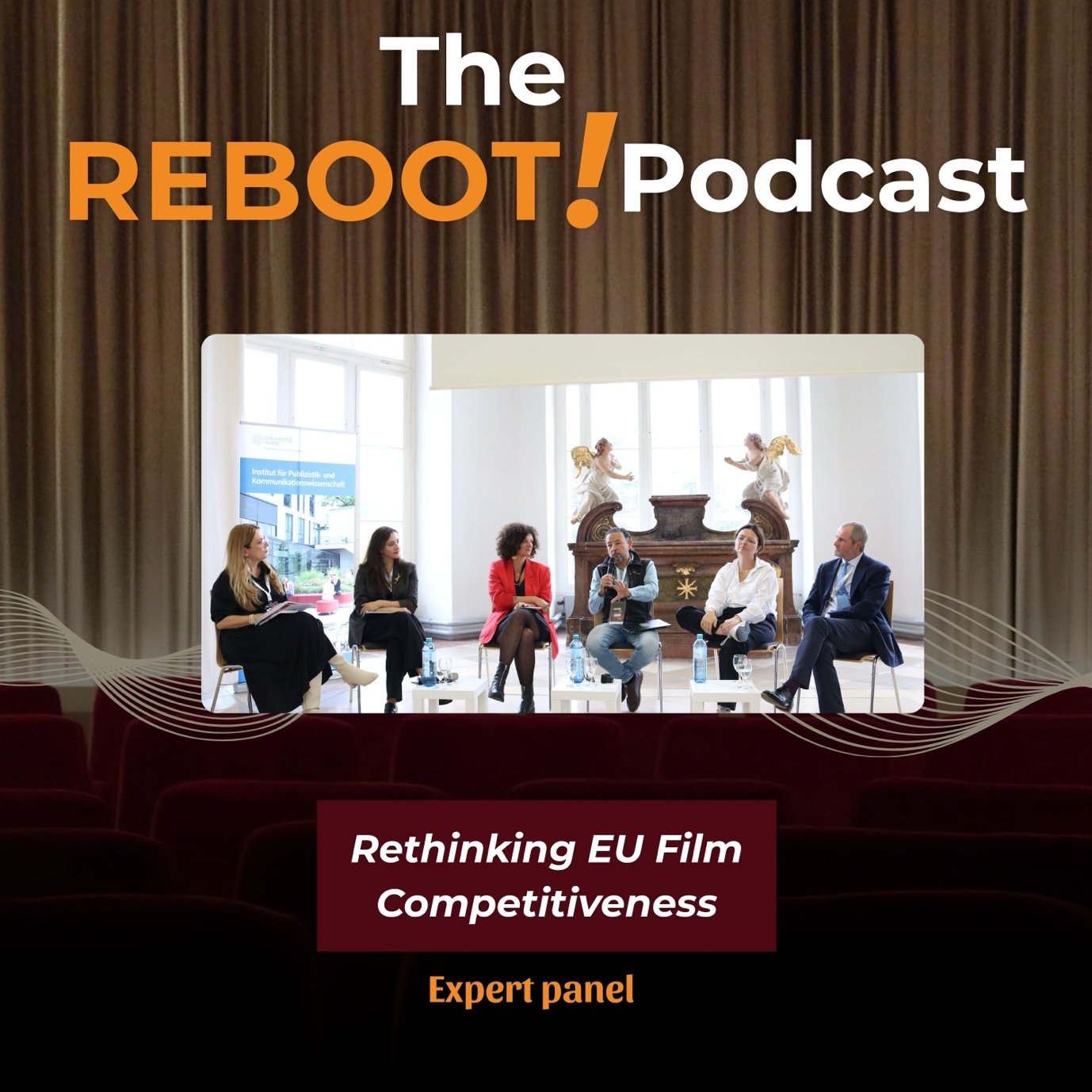
REBOOT Podcast - Episode 3 Special Issue - Out Now!
We kick off our special issue series "Rethinking European Film Competitiveness" with an exchange featuring: Roland Teichmann (Director, Austrian Film Institute), Juliette Prissard (General Delegate, Eurocinema), Rodrigo Gómez (Professor, Universidad Autónoma Metropolitana-Cuajimalpa, Mexico), Mafalda Dâmaso (Part-time Professor, European University Institute & Erasmus University Rotterdam), and Marion Schmidt (Cultural Manager and Board Member, Documentary Association of Europe). In this episode, our expert panel explores the evolving European film landscape, examining funding structures, production models, regulatory shifts and the growing influence of digital platforms. They discuss the key challenges and opportunities shaping the future of European cinema.
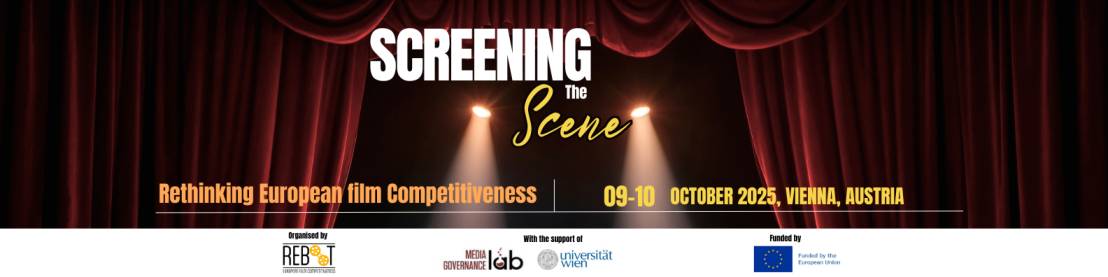
Conference programme announcement
Conference programme announcement
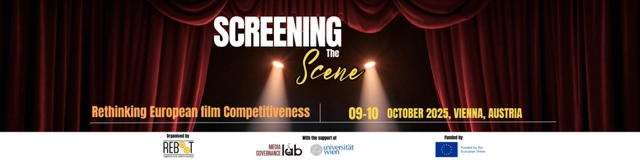
The final programme for the Screening the Scene: Rethinking European Film Competitiveness is here!
9–10 October 2025
Alte Kapelle, University of Vienna; Spitalgasse 2
Free Participation - Few spots left
Registration here
REBOOT Podcast Episode 2
EU Film Policy in the Algorithm Age: Quotas vs. Automation
From traditional screen quotas to new rules for algorithms, the European Union is shaping the future of European cinema in ways that go far beyond the big screen. But how do these policies actually work ? Will they help European films stay visible and competitive in a world dominated by streaming platforms and automated recommendations?
In this episode of the #RebootPodcast, we sit down with legal expert and researcher Pelin Turan, Legal expert and academic researcher at Scuola Superiore Sant’Anna - Pisa, Italy, to unpack the strategies designed to boost cultural diversity, ensure fair visibility and adapt film policy to the realities of the digital age.
We explore the world of recommender systems, examining how they influence what films reach audiences, the challenges of the “black box” problem and the EU’s approach to making European stories easier to find in the age of algorithms.
Listen now
#RebootEFI #RebootPodcast #Europe #Cinema #FilmIndustry
Screening the Scene: Rethinking European film competitiveness
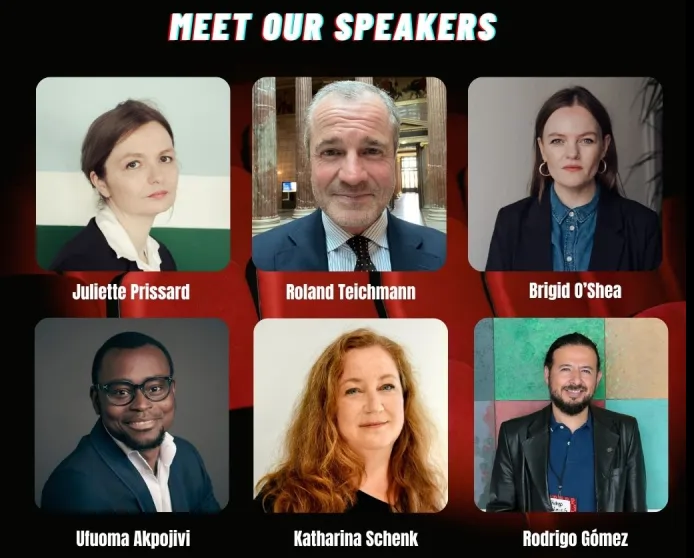
The Speakers
We are pleased to welcome our conference speakers whose professional backgrounds and institutional affiliations reflect the key themes of this conference. From the perspective of national film policy and funding, Roland Teichmann, Director of the Austrian Film Institute, brings a deep understanding of how public institutions shape and support the European film ecosystem. As Director of ORF Television Film, Katharine Schenk is positioned at the heart of public broadcasting, offering insights into commissioning practices and the role of television in sustaining European storytelling.
With an academic lens, Rodrigo Gómez, Professor at Universidad Autónoma Metropolitana-Cuajimalpa, contributes expertise on global media structures, platform governance, and the changing dynamics of the audiovisual sector. Ufuoma Akpojivi, who leads Policy Research and Learning at Advocates for International Development (A4ID), brings a focus on inclusive policy design and the relationship between cultural production and social justice. Representing the voice of the European film and television industry, Juliette Prissard, General Delegate of Eurocinema, works at the intersection of regulation, advocacy, and industry strategy at the European level. Finally, Brigid O’Shea, as Director of the Documentary Association of Europe, brings an independent and transnational perspective on documentary practice, collaboration, and alternative production models.
Together, they reflect the diverse institutions and approaches needed to understand and reimagine the future of the European film industry.
Save the dates: 9 and 10 October 2025
Screening the Scene: Rethinking European film competitiveness
Call For Contribution (Download the Pdf for more info)
As streaming platforms challenge traditional distribution, AI reshapes storytelling and production processes, and as underrepresented communities continue to push for visibility and participation, the question is no longer whether the European film industry must adapt, but how, and who gets to lead the change.
Rebooting the industry requires an intersectional approach, one that considers the dynamic role of people (creators, audiences, and different groups), technological innovation (AI, digital platforms, XR), and institutions (festivals, funding bodies, policy frameworks). This conference will be a space for critical exchange, bold ideas, and collaborative futures.
Areas of interest
We welcome contributions that address, but are not limited to, the following themes:
• What is film industry competitiveness?
• European policy/legal frameworks concerning the European film industry (e.g. copyright law, public support and European funding frameworks, media/entertainment law, platform regulation and content moderation, protection of minors).
• The role of children & youth for the European film industry as creators and audiences.
• Bringing overlooked European films into the spotlight (e.g. alternative film festivals, alternative film modes of film production, collectives, centre vs. periphery in European film industries)
• European distribution & new technology (e.g. streaming platforms and digital disruption)
• Innovative storytelling (e.g. AI/VR/XR, interactive formats)
• The interplay of generative AI and filmmaking (e.g. working conditions of creative workers, AI and ethical creativity, AI literacy and cultural industries)
• Representation and inclusion in the European film industry
• New narratives by women, youth, diaspora, and intersectional identities
• Gender and the European screen industries
• European film festivals as spaces of resistance and cultural diversity
• Training, access, and equity in the European film workforce
• Governance, sustainability and democratic participation in the audiovisual sector
Submission Guidelines
Abstracts (300-400 words) should be accompanied by a short bio (max. 100 words each).
Panel proposals (ca. 60 minutes) must include a panel title, brief rationale (max. 300 words), and details of 3-4 speakers.
Abstracts must be submitted here
Panel proposals must be submitted via email: info@thereboot-project.eu

Reboot at the 19th Biennial EUSA Conference
In the framework of REBOOT project, Evangelia Psychogiopoulou and Anna Kandyla participated in the 19th Biennial Conference of the of the European Union Studies Association (EUSA), held on May 8-10, 2025 in Philadelphia (PA). They contributed to the panel titled ‘The EU’s Engagement in Trade, Investment, and Anitrust’ with α presentation on ‘EU External Trade Policy, Development and the Cultural Sector: An Impossible Nexus?’.

ELIAMEP at the EUIA 2025 Conference in Brussels
The Hellenic Foundation for European and Foreign Policy (ELIAMEP) participated in the “European Union in International Affairs (EUIA) 2025 Conference” (21-23/5) with the panel “Cultural governance and EU external relations: The case of European film”, chaired by Laia Comerma, Postdoctoral Fellow at the Vrije Universiteit Brussel, and organised by Evangelia Psychogiopoulou, Asst. Professor at the University of the Peloponnese and Senior Research Fellow at ELIAMEP.

Participation in the 6th Panhellenic Conference on the Sociology of Education
The 6th Panhellenic Conference on the Sociology of Education took place from 23 to 25 May 2025 in Volos, with the participation of ELIAMEP researchers Irini Sifaki, Melina Davia and Dimitra Thliverou.

‘Frames of Change’ International Conference on historicizing recent European cinema
Eirini Sifaki, researcher for the REBOOT project, recently took part in the ‘Frames of Change’ International Conference on historicizing recent European cinema (1990-2025), organised by the Universidad Complutense in Madrid on 22-23 May 2025

Lecture at the ‘University of Society’
On 25 May 2025 Irene Andriopoulou, ELIAMEP Researcher for the REBOOT project, gave a lecture on at the ‘University of Society’ of the University of the Peloponnese, covering her research work on Greece from REBOOT Project Task 3.4, which focuses on exploring different institutional and policy models in the EU for the international promotion of the national and European film sector.

Publication of Article in the European Children’s Film Association Journal
The May 2025 issue of the European Children’s Film Association Journal featured an article by Irene Andriopoulou, REBOOT Researcher, discussing the research aims and dimensions of the REBOOT project.
Screening the Scene: Rethinking European film competitiveness
Call For Contribution (Download the Pdf for more info)
As streaming platforms challenge traditional distribution, AI reshapes storytelling and production processes, and as underrepresented communities continue to push for visibility and participation, the question is no longer whether the European film industry must adapt, but how, and who gets to lead the change.
Rebooting the industry requires an intersectional approach, one that considers the dynamic role of people (creators, audiences, and different groups), technological innovation (AI, digital platforms, XR), and institutions (festivals, funding bodies, policy frameworks). This conference will be a space for critical exchange, bold ideas, and collaborative futures.
Areas of interest
We welcome contributions that address, but are not limited to, the following themes:
• What is film industry competitiveness?
• European policy/legal frameworks concerning the European film industry (e.g. copyright law, public support and European funding frameworks, media/entertainment law, platform regulation and content moderation, protection of minors).
• The role of children & youth for the European film industry as creators and audiences.
• Bringing overlooked European films into the spotlight (e.g. alternative film festivals, alternative film modes of film production, collectives, centre vs. periphery in European film industries)
• European distribution & new technology (e.g. streaming platforms and digital disruption)
• Innovative storytelling (e.g. AI/VR/XR, interactive formats)
• The interplay of generative AI and filmmaking (e.g. working conditions of creative workers, AI and ethical creativity, AI literacy and cultural industries)
• Representation and inclusion in the European film industry
• New narratives by women, youth, diaspora, and intersectional identities
• Gender and the European screen industries
• European film festivals as spaces of resistance and cultural diversity
• Training, access, and equity in the European film workforce
• Governance, sustainability and democratic participation in the audiovisual sector
Submission Guidelines
Abstracts (300-400 words) should be accompanied by a short bio (max. 100 words each).
Panel proposals (ca. 60 minutes) must include a panel title, brief rationale (max. 300 words), and details of 3-4 speakers.
Abstracts must be submitted here
Panel proposals must be submitted via email: info@thereboot-project.eu
Film literacy in Spanish schools: a challenge yet to be solved
Movie consumption among young people in Spain remains alarmingly low: only 10% of teenagers aged 14 to 19 went to the cinema in the last year and only 13% of young people aged 20 to 24 decided to see a film on the big screen (Statista, 2025). This worrying situation has been addressed by public policy makers in Spain from various perspectives, although a better coordination among all iniciatives and the stakeholders involved is still needed.
From the interviews conducted by the Reboot project researchers with institutional representatives from Spain's highest cultural and film institutions, it is clear and evident that to develop a systematic audiovisual literacy strategy in Spanish high shools in not an easy assignment.
There are some joint initiatives that have been running for years in the public sector, such as the one developed by the Cervantes institute and the Spanish Film Academy (Academia de las Artes y las Ciencias Cinematográficas), which encourages students to watch and analyze Spanish films released in the last thirty years. The goal is to introduce young audiences to quality films in a cultural environment that strengthens their connection with cinema.
“Last year, we carried out a project with the Spanish Film Academy on audiovisual literacy in schools. Students would go to the Academy or here (Cervantes Institute), watch a film, and then start a debate. One day, they were shown “The Day of the Beast,” and one of them said: “well, it´s not bad for an old film”.
(Film and audiovisual technician at the Cervantes Institute)
However, experts are more in favor of setting up a broader and more far-reaching film literacy strategy. As a renowned member of the Spanish Film Academy points out, action is needed on several fronts to ensure film literacy reaches all young Spaniards. First, it is necessary to stimulate political commitment on this issue, which has been neglected for years by many governments. It is also necessary to properly train the teachers at schools, to allocate sufficient funds to perform this task and to efficently coordinate actions between Spain´s different education systems.
"No government has taken the responsibility of developing film literacy seriously. For instance, who will train the teachers? It wouldn't be that difficult, but some educational responsibilities have been transferred to the regional governments, and relevant agreements would have to be reached with the central government. Furthermore, there are no Budget resources available".
(Film critic and member of the Spanish Film Academy)

REBOOT Podcast Episode 1
Streaming Europe: How VOD is Reshaping National Film Industries
In the premiere episode of the Reboot Podcast, media scholars Loreto Corredoira and Fernando Ramos dive into how the rise of Video-on-Demand (VOD) is reshaping national film industries across Europe. From the dominance of US platforms to the fragmentation of the EU media landscape, this episode explores the intersection of policy, creativity, and competition in a digital age. What are the key challenges and opportunities facing European film? Tune in for fresh insights and critical reflections on the future of filmmaking in Europe.
Listen now
#RebootEFI #RebootPodcast #Europe #Cinema #FilmIndustry
REBOOT At Kinder Uni : Sequel 2!
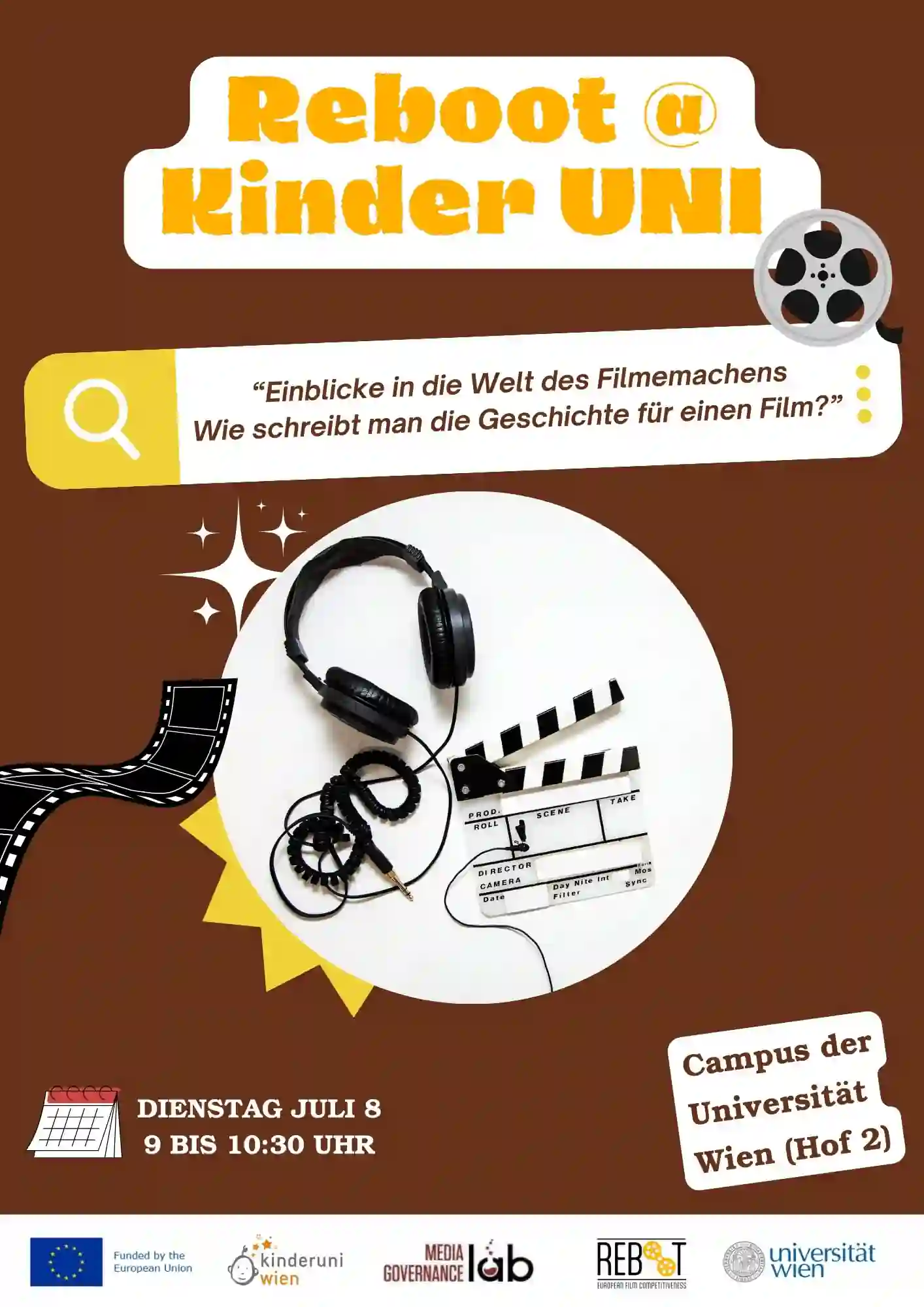
For the second year in a row, the REBOOT team is proud to announce its participation at the Kinder Uni 2025! This year, we are hosting an immersive film scripting workshop on July 8th, titled: “ Insights into the world of filmmaking: How do you write a film story?” tailored for young creatives aged 7 to 12 at the University of Vienna’s Campus.
The Kinder Uni, one of Europe’s largest children’s universities (operating since 2003), opens its doors for two weeks every year, inviting children to explore the future and experience the university world through its lively motto: “ We turn the university upside down!”
Do you love films and have perhaps ever wondered what it would be like to make a film yourself? In this workshop, we will take a look behind the scenes: working in teams, children will invent their own story for a film! Where should it be set? What happens? And which characters will appear? Through this playful and collaborative approach, participants will begin to understand how film stories are built from the ground up.
The workshop combines education with entertainment; participants will gain confidence, teamwork skills, and a deeper appreciation for storytelling, all while working with adapted professional tools designed for young minds. Via this unique platform, we share insights and findings from our ongoing research project with the community - planting the seeds of cinematic passion, showing children the magic of European films. Through creative play, we are building tomorrow's engaged audiences and filmmakers! Find out more about our previous workshop here .
#reboot #kinderuniversität #kinderuni #univie #kinderuniwien #kids
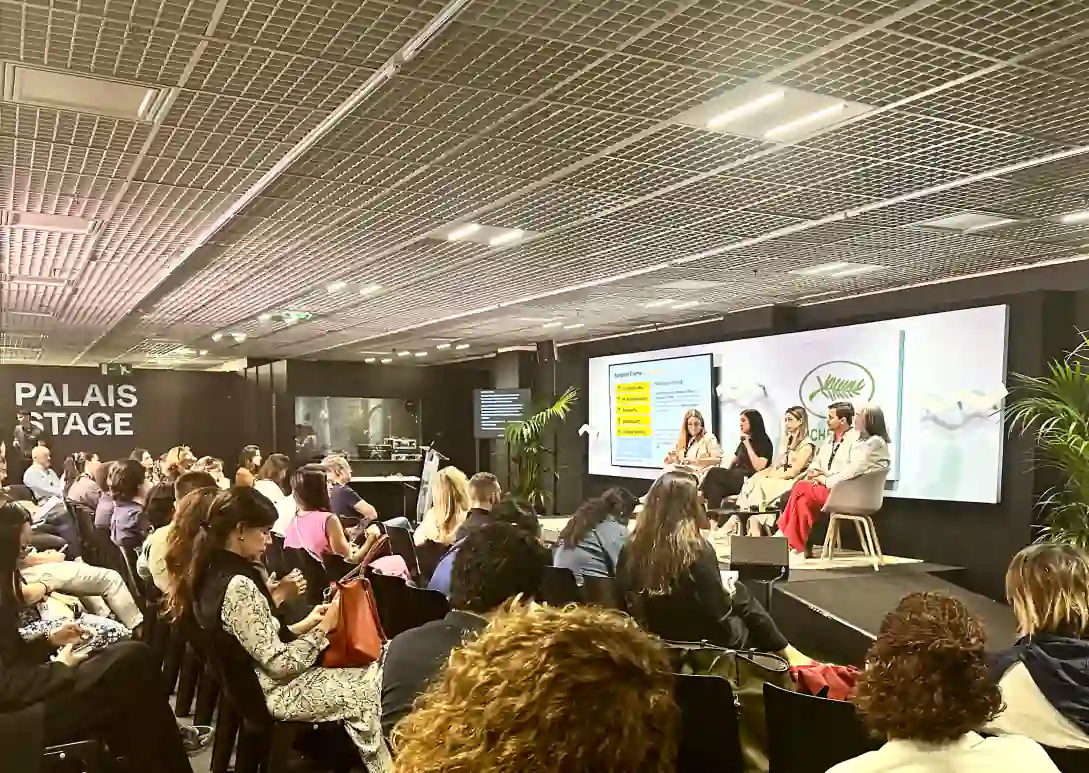
REBOOT at Cannes 2025. Young Voices, Global Conversations. A Call for Change.
At the heart of this year’s Marché du Film in Cannes, the REBOOT project made a meaningful appearance with a special presentation addressing the future of European cinema through the lens of its youngest audience, its most underrepresented creators and international perspective on circulating European films in Latin American markets.
Before an audience of international stakeholders, professionals, and policymakers, Professor Katharine Sarikakis from the University of Vienna and coordinator of the REBOOT consortium, took the stage to share early findings from a major research initiative spanning eight European countries and one non EU country. The panel, “Circulation of European Films: Youth Preferences” held on May 15th 2025, highlighted how teenagers and young adults across Europe engage with, perceive, and value European cinema.
The data behind the panel is drawn from one of the most extensive research efforts of its kind: a survey of 4,000 young people aged 12 to 24 and group interviews with 587 participants in Austria, Belgium, Finland, France, Greece, Italy, Poland, Spain, and Turkey. The project investigates not only what young people watch, but also how they understand and interact with European content.
The early findings suggest a complex picture. While there is still an appreciation for European films, in Austria for instance, they are often seen as more realistic or socially grounded, young audiences overwhelmingly gravitate toward global productions, particularly from the United States (33.5%), the United Kingdom (23.3%), Japan (16.3%), France (15.3%), and Italy (11.6%). These preferences reflect both market saturation and cultural appeal, and signal the challenges facing European cinema in cultivating deeper loyalty among young viewers.
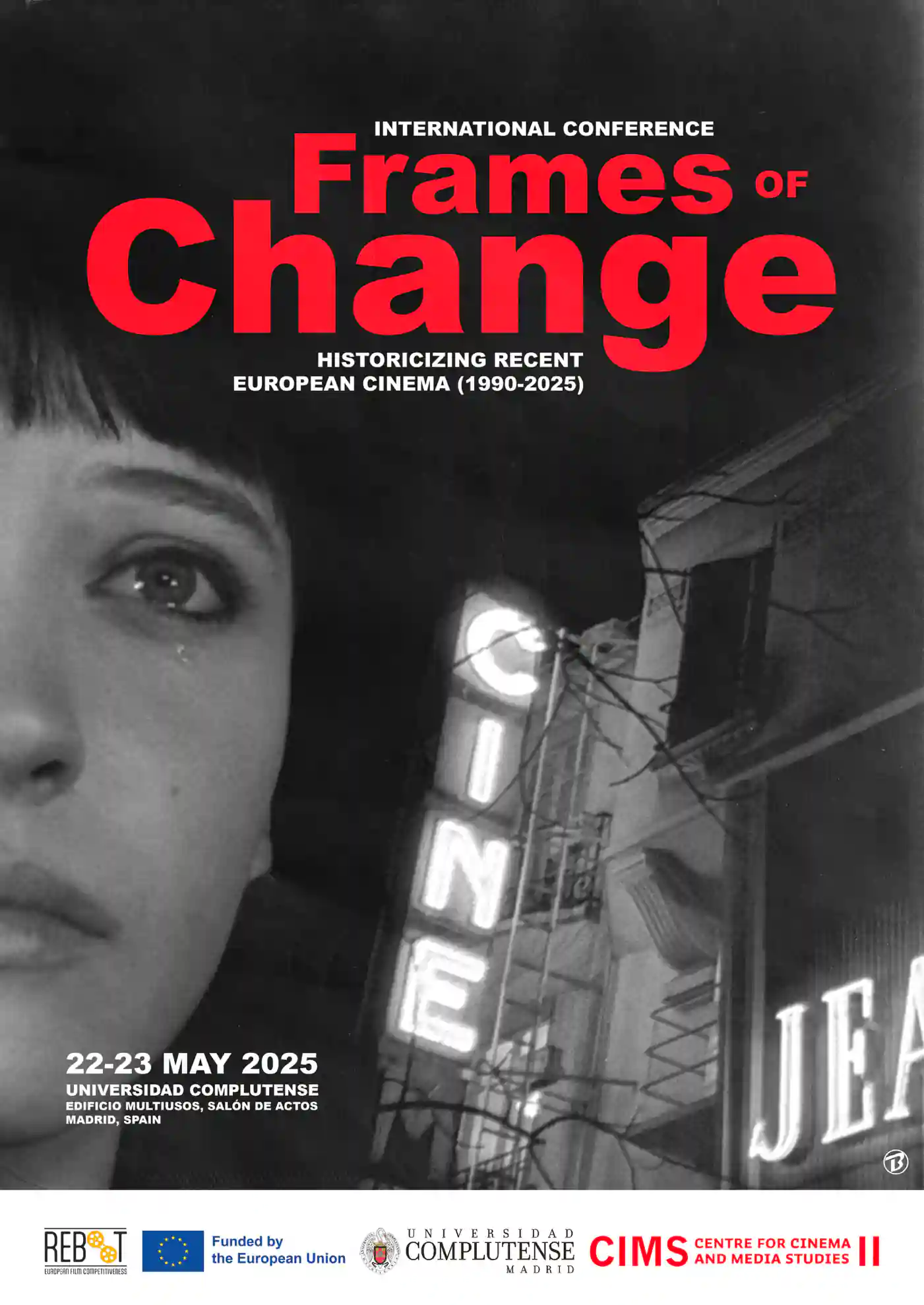
International Conference Frames of Change: Historicizing Recent European Cinema (1990–2025)
News : International Conference Frames of Change: Historicizing Recent European Cinema (1990–2025)
Dates: 22–23 May 2025.
Location: Universidad Complutense, Madrid, Spain.
At a pivotal moment for Europe’s cinematic landscape, the International Conference Frames of Change 2025 arrives to ignite critical conversations and collaboration across borders. Organised by the REBOOT Consortium, this landmark event brings together scholars, researchers, and industry professionals from across the continent to explore how European cinema can respond to and evolve within a rapidly transforming global media environment.
With panels addressing key themes such as policy, production, identity, and audience reception, the conference delves into the challenges and opportunities facing European cinema today - from navigating digital platforms and global competition to redefining cultural identity and audience engagement.
Through keynote speeches, expert discussions, and collaborative roundtables, Frames of Change offers critical insights into the future of European film, aiming to foster dialogue, innovation, and transnational cooperation in support of a more competitive and culturally diverse audiovisual landscape.
Introducing the Reboot Podcast: Shaping the Future of European Film
The new initiative offers a timely and in-depth exploration of the key challenges and innovations shaping contemporary European cinema. The Reboot podcast , through thoughtful conversations with leading voices from across the industry, examines how the European Film Industry (EFI) is adapting to a rapidly changing global context addressing questions of identity, distribution, policy, creativity, and the future of filmmaking in a digital age.
Reboot Podcast ?
The Reboot podcast is designed to dive deep into the complexities of European film, examining everything from cultural identity and distribution to technological innovation and the changing dynamics of global competition. It delves into the multifaceted landscape of European cinema, exploring a wide range of topics critical to the future of the European Film Industry (EFI). Episodes will tackle the evolving concept of European identity in film, examining how globalisation and co-productions challenge traditional boundaries. The podcast will also explore key industry issues like distribution, competition with Hollywood, and the changing dynamics of film festivals and streaming platforms. Discussions will cover the economics of European film production, the role of EU policies in promoting cultural diversity and sustainability, and the impact of emerging technologies such as VR, AI, and blockchain on filmmaking. From legal constraints to audience preferences, the podcast will address the challenges faced by non-mainstream filmmakers, the shifting tastes of younger audiences, and the need for innovation to stay competitive in a globalised market. Each episode features insights from industry experts, filmmakers, and policymakers, providing listeners with a comprehensive understanding of the complexities and opportunities shaping the future of European cinema.
The first episode will be broadcast in May 2025.
Stay Tuned!
“Meetings on the Bridge”: Rethinking European cooperation, copyright and competitiveness at Istanbul Film Festival
The current EU legal regime, though comprehensive, continues to suffer from a lack of harmonisation, particularly around the definition of authorship and the complex web of terms and systems governing the use of content in ‘secondary Windows’ such as Video-on-Demand and other online platforms. Added to this are systemic challenges including unstable exchange rates, bureaucratic inefficiencies, and politicized domestic support structures, all of which were highlighted as major obstacles for filmmakers. Moreover, cultural and communication barriers often complicate co-production partnerships. Professionals voice a clear call for more flexible and adaptive policy frameworks, particularly in light of recent reforms introduced by Eurimages, and urged for revisions to minimum spending requirements, which currently hinder many from participating in international co- productions. These were among the most discussed issues at the 20th edition of “Meetings on the Bridge,” the industry platform of the Istanbul Film Festival.
On 15 April 2025, the REBOOT Project was presented by researchers Melis Behlil (KHAS University), Pelin Turan (SSSA), Marina Rossato Fernandes, and Antonios Vlassis (ULiège). The event took place at Hope Alkazar, a former cinema turned cultural venue in central Istanbul, drawing filmmakers, producers, and researchers into a timely and critical discussion about the challenges shaping today’s European film industry.
Moderated by Yamaç Okur, a well-known Turkish producer with extensive experience in European co-productions, the session presented key findings from REBOOT’s ongoing research, which includes international surveys and interviews with film professionals from across and beyond Europe. The conversation navigated structural challenges, policy inconsistencies, copyright issues, and cross-border collaborations, framed through the perspectives of both EU and non-EU professionals.
Antonios Vlassis and Marina Rossato Fernandes shared insights from a pan-European survey and 37 expert interviews on how film professionals across the EU perceive the rise of AI and the growing influence of Video-on-Demand (VOD) platforms. The presentation explored both the opportunities and challenges professionals identify in engaging with these technologies—from enhanced creative tools and broader distribution channels to concerns about intellectual property, market concentration, and artistic autonomy. The findings highlight a critical need for policy frameworks that better reflect on-the-ground realities and support a sustainable, diverse European film ecosystem in the digital age.

REBOOT at ULEPICC-Spain 2025: Exploring the Circulation of European Films in Latin America
On February 6-7, 2025, the REBOOT project was represented at the 9th International Congress of the Spanish Section of the Latin Union of Political Economy of Information, Communication, and Culture (Unión Latina de Economía Política de la Información, la Comunicación y la Cultura -ULEPICC-España), hosted at the Faculty of Communication Sciences, Universidade de Santiago de Compostela.
Framed around the theme “Communication and Public Service,” the congress gathered leading scholars and practitioners to explore the intersections of media, democracy, and cultural policy.
As part of the session on Diversity and Communication Policies, Prof. Mª Trinidad García Leiva and Isabela Vargas Miranda (Universidad Carlos III de Madrid), members of the REBOOT research team, presented their ongoing work on “La circulación de películas europeas en América Latina: situación actual en los principales mercados” (the circulation of European films in Latin America: current situation in the main markets.).
Their contribution shed light on the current dynamics and challenges of distributing European films across major Latin American markets, offering insights from a critical political economy perspective.
The congress served as an important platform for advancing dialogue on communication rights, diversity, and public service media within a global and comparative framework.
To view more information about the conference and the program, read more here: IX Congreso Internacional ULEPICC-España
Rethinking the Global Film Landscape: REBOOT at IFFR Pro Dialogue 2024
How competitive is European cinema really and at what cost? In an era where EU policymakers are doubling down on the word competitiveness, the REBOOT Project brought this question to the fore in a panel titled “Global Film Europe: Rethinking Competitiveness, Identity, and Power.” The event wove together research insights, fieldwork, and a deeply human reflection on the position of European cinema within the shifting dynamics of the global film industry.
Moderated by Pedro Tinen, German Chancellor Fellow of the Alexander von Humboldt Foundation, the session invited a compelling lineup of speakers: Dr. Mafalda Dâmaso (Erasmus University Rotterdam), Prof. Antonios Vlassis and Dr. Marina Rossato Fernandes (both from the University of Liège), and Isabela Morena Vargas Miranda (University Carlos III of Madrid). Together, they presented new data, fresh analysis, and urgent calls for reimagining the rules of cinematic engagement between Europe and the world. The panel opened with a crisp overview of the REBOOT Project by Prof. Vlassis and Dr. Dâmaso, setting the stage for three key presentations, each probing a different dimension of the European film industry’s global footprint.
At the heart of the conversation was a shared critique: that the dominant market-driven understanding of “competitiveness” in European film policy is not only narrow but increasingly disconnected from the realities on the ground.
Rossato Fernandes and Prof. Vlassis shared findings from a pan-European survey and 37 in-depth interviews with EU-based professionals. The results revealed a complex picture, while European film is often praised for its artistic credibility and diverse storytelling, there is growing frustration with fragmented promotional strategies, limited access to global markets, and structural underinvestment. Next, Dr. Dâmaso turned the spotlight northward to examine the co-production ecosystems in Denmark and Sweden, drawing on interviews with 15 professionals. She highlighted how strategic policy frameworks, such as streaming levies and support across the entire value chain, contribute to a fertile environment for making globally competitive films. “What stands out is the emphasis on cultural pluralism, long-term investment, and policy mechanisms that redistribute value back into the local industries,” she explained.
The final presentation widened the lens even further, investigating how European cinema is perceived by professionals in South Korea, South Africa, Argentina, Brazil, Mexico, and Turkey. Co-authored by Dâmaso, Vargas Miranda, Rossato Fernandes, and Vlassis, the research blended survey and qualitative fieldwork. The findings pointed to a duality: on the one hand, admiration for Europe’s cinematic heritage; on the other, skepticism about the inclusiveness and reciprocity of current cooperation frameworks.
Throughout the session, the audience was drawn into a conversation that transcended statistics and strategies. It became clear that the future of European film is not simply a matter of competing harder, it’s about reimagining the terms of competition altogether. This means embracing complexity, rebalancing power, and building new narratives of cooperation, equity, and creative freedom.
Read more here

Creativity Meets Circularity: The EIT Culture & Creativity Innovation Forum in Nice Illuminates Europe’s Circular Future
At a time when Europe is reimagining its future through the lenses of sustainability, social cohesion, and cultural innovation, the EIT Culture & Creativity Innovation Forum offered a timely and powerful platform for dialogue, inspiration, and action. Held on April 22–23, 2025, in Nice, France, the second edition of this flagship event brought together over 130 participants from across the continent—academics, entrepreneurs, policymakers, artists, and institutional leaders—united by a shared conviction: that culture and creativity are not peripheral to Europe’s green and digital transition, but central to its success.
Organized under the compelling theme “Creativity Meets Circularity”, the forum underscored the pivotal role of cultural and creative industries (CCIs) in shaping a circular economy. In partnership with the MIN4CI Foundation (Mediterranean Institute for Innovation in Culture and Creative Industries), the event combined high-level vision with grassroots energy, offering both strategic insights and on-the-ground examples of innovation.
A Forum Rooted in Europe’s Transformation Agenda
The European Green Deal, the Circular Economy Action Plan, and the New European Bauhaus initiative set the stage for this year’s forum. These policy frameworks do more than define environmental goals—they call for a rethinking of our economic and social models. In this context, the Innovation Forum positioned CCIs as not only beneficiaries of these policies, but active agents of change. The city of Nice, with its rich cultural heritage and commitment to sustainable urban development, served as the ideal host for this gathering as well as University Côte d’Azur. Over two days, participants engaged in a dynamic programme of conferences, roundtables, workshops, and networking sessions that explored the intersections of creativity, ecology, and economy.
Ecosystems, Values, and a Call to Action
The forum opened at the beautifully restored Théâtre des Franciscains in Nice’s Old Town, where participants were welcomed by institutional leaders and treated to an inspiring keynote by Winy Maas, the visionary architect and co-founder of MVRDV. His talk set the tone for the day: bold, imaginative, and deeply grounded in questions of urban life and sustainability.
Three thematic roundtables followed, each offering a different lens on the forum’s central theme:
• Local cultural and environmental ecosystems were explored through the experiences of the Friche la Belle de Mai in Marseille, the Opéra Grand Avignon, and Aix-Marseille University.
• The South Region of France was presented as a living lab for creative and circular innovation, with voices from Relais Culture Europe, the Région Sud, CNRS, and the regional Campus for Cultural and Creative Industries hosted by Université Côte d’Azur.
• A powerful dialogue on European values and the New European Bauhaus brought together Ambra Trotto (EIT Culture & Creativity) and Annemie Wijkmans (CRAFT Lighthouse Project), emphasizing beauty, inclusivity, and sustainability as guiding principles for innovation. The day concluded with a creative networking session, where participants had the opportunity to forge new alliances and cross-sector partnerships in an atmosphere of openness and possibility.


Cinema as a Cultural Bridge: Students Explore Identity and Interculturality at CulCo Lab Workshop
On February 26, 2025, the Cultural Relations and Comparative Arts Lab (CulCo Lab) at the University of Thessaly, in collaboration with the REBOOT project, hosted an inspiring educational workshop titled “Cinema and Interculturality: Languages, Identities, Stories”. Held in Volos, Greece, the event welcomed 70 secondary school students aged 12 to 18 into an immersive cinematic experience focused on how film can illuminate issues of migration, cultural identity, and intercultural dialogue.
The workshop was led by a team of researchers from the Hellenic Foundation for European and Foreign Policy (ELIAMEP): Associate Professor Eirini Sifaki (University of Thessaly), Dimitra Thliverou (PhD Candidate), and Stella-Maria Davia (PhD Candidate). Through a curated selection of film excerpts from European, Arab, Asian, and Latin American cinema, students embarked on a journey across cultural landscapes. The discussions centered around themes such as migration, multiculturalism, cultural conflict, and the complexities of identity formation. A major point of engagement was the role of language, specifically subtitling and dubbing, in shaping a viewer’s emotional and intellectual connection to a story. Students explored how translation choices can subtly alter meaning, tone, and cultural nuance, offering a deeper appreciation of language as a vehicle for empathy and understanding.
The participants responded with enthusiasm and curiosity, actively contributing to discussions and expressing a desire to further engage with global cinema. Their reflections underscored the importance of fostering media literacy in young audiences and the power of cinema to promote empathy and intercultural awareness.
This workshop is part of REBOOT’s broader mission to connect new generations with European film, support educational outreach, and inspire intercultural dialogue.
Creative Hub GR and ELIAMEP Roundtable Discussion on Film Industry Policies
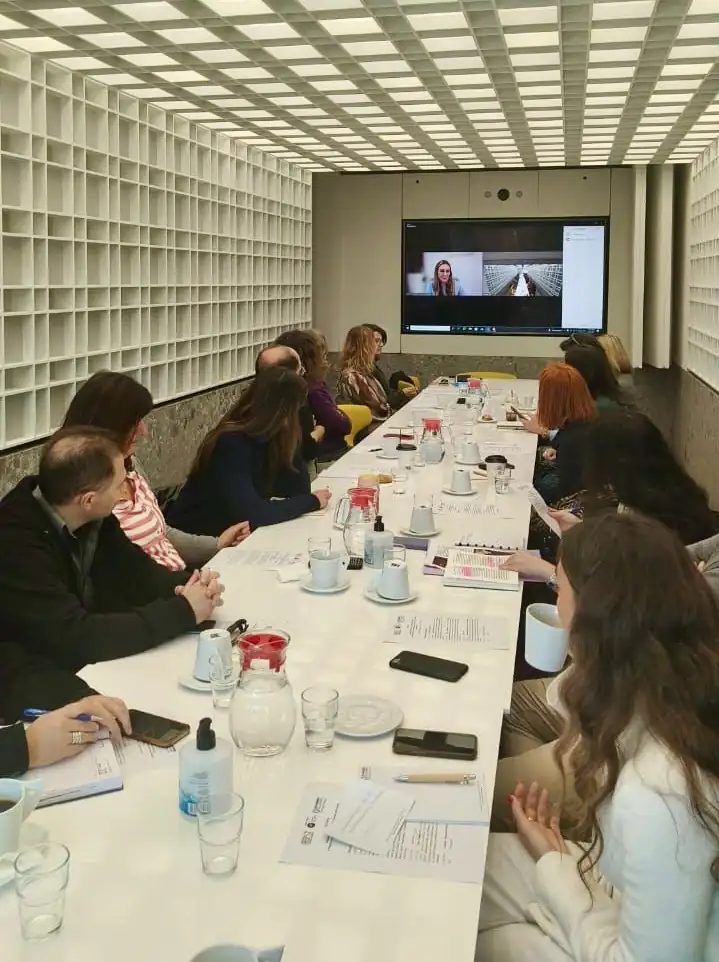
On April 10, 2025, the Hellenic Foundation for European and Foreign Policy (ELIAMEP) hosted a timely and insightful discussion on the future of European cinema, as part of the Horizon Europe-funded REBOOT project (Reviving, Boosting, Optimising and Transforming European Film Competitiveness). Organised in partnership with EKKOMED - Creative Greece, the event brought together researchers, policy experts, and cultural practitioners to reflect on evolving film industry policies and the role of Greece as an emerging reference point in shaping European audiovisual strategies.
Under the title “Film Industry Policies in Europe: Greece as an Institutional Reference Point for Film Promotion and Education”, the dialogue addressed the pressing challenges facing the European film sector, from digital transformation and the influence of social media to policy fragmentation and shifting audience behaviours, particularly among younger generations. Central to the discussion was the call for a more unified European policy approach that strengthens competitiveness while remaining inclusive and culturally diverse.
Professor Katherina Sarikakis, coordinator of the REBOOT project and director of the Media Governance and Industries Research Lab at the University of Vienna emphasized the importance of rethinking European film competitiveness beyond market-based indicators, calling for a more values-driven, inclusive framework that supports creative diversity and democratic participation in film governance.
Eirini Andriopoulou, head of the Creative Hub GR at EKKOMED -Creative Greece and REBOOT researcher, highlighted Greece’s evolving institutional strategies, which connect audiovisual production with public engagement and cultural education. She pointed to several national initiatives as examples of how Greece is becoming an influential player in shaping European policy dialogues. Associate Professor Eirini Sifaki, director of the Interart Studies Lab at the University of Thessaly and also a REBOOT researcher, stressed the crucial role of audiovisual education. She argued that educating young people in media literacy and cinematic expression is not only key to cultivating informed audiences but also essential for empowering a new generation of creators with critical and cultural insight.
The discussion highlighted the need for productive collaboration between culture, education, and institutional strategy to boost the competitiveness and promotion of European cinema.
The Reboot Project at Málaga Film Festival 2025 (MAFIZ)
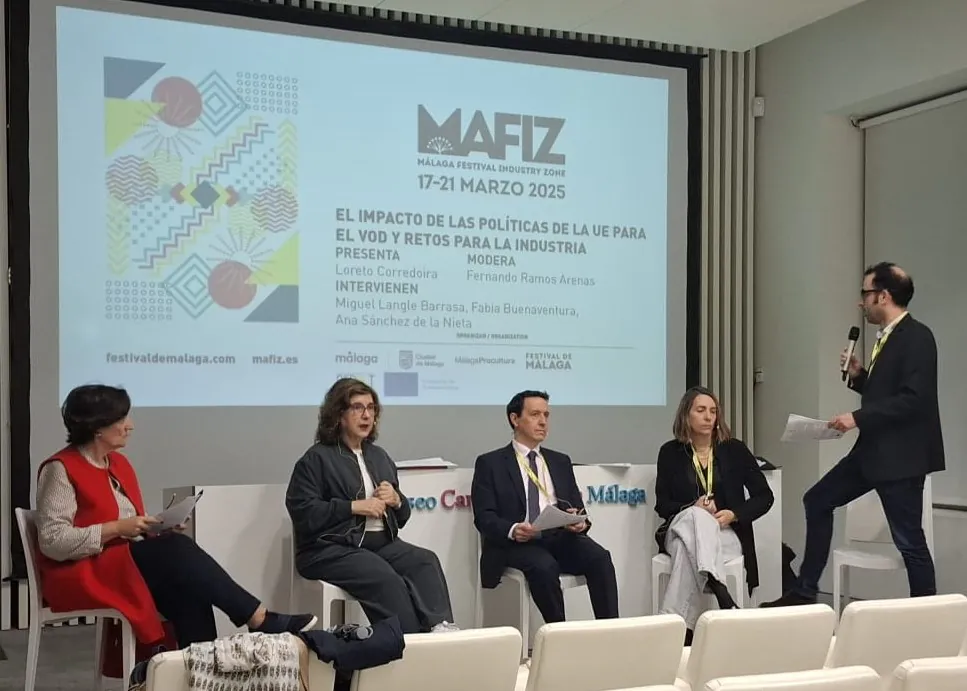
A VOD Europe report analyzes the competitiveness of European cinema on digital platformsThe Spanish VOD market is undergoing a profound transformation, shaped by global streaming giants and strengthened by national legislation promoting European content. These are among the central findings of the VOD Europe Report -Case Study of Spain, presented at the Málaga Film Festival (MAFIZ) as part of the Horizon Europe-funded REBOOT Project. The work, led by Dr. Fernando Ramos and Dr. Loreto Corredoira of the Complutense University of Madrid, explores the regulatory impact and market trends surrounding Video on Demand (VOD) services in Spain. It highlights the positive effects of Spain’s implementation of the 2018 Audiovisual Media Services Directive (AVMSD) through the General Law on Audiovisual Communication (LGCA, 2022), a key development requiring platforms to fund and promote European works. The report presented in this event, examines the impact of major global platforms such as Netflix, Amazon Prime Video, and MAX, as well as the response of national operators such as Filmin and Atresplayer. Among its key findings, it highlights the positive effects of the implementation of the Audiovisual Media Services Directive (AVMSD 2018) in Spanish legislation through the General Law on Audiovisual Communication (LGCA, 2022), which establishes requirements for the promotion and funding of European content. Alongside the presentation, a panel discussion was held, moderated by Fernando Ramos, with Fabia Buenaventura, General Director of Independent Producers (FAPE), who called for continued support for Spanish and European cinema, considering that the sector is fragmented by SMEs and medium-sized businesses. Miguel Langle, Director of Regulatory Affairs and Institutional Relations of Atresmedia, suggested that, in the future, the Directive should apply the same legal framework to all audiovisual players and not only television and VOD (video-sharing platforms such as YouTube and Instagram). Finally, journalist and film critic Ana Sánchez de la Nieta (Aceprensa, Row 7) talked about the creative period Spanish cinema is coming through and pointed out that the financial support has been effective and has led to films such as Sorda, a film by Eva Libertad that is tipped to be a favorite in Málaga Film Festival, with a fresh approach to disability and motherhood, a kind of movie that make us better as a society. A VOD Landscape in Transition: Spain Between Global Giants and Local Innovators The study reveals how the arrival of major international platforms starting in 2015 with Netflix has transformed the Spanish audiovisual ecosystem, generating significant changes in the production, distribution, and consumption of European films. The year 2020 was especially important due to the "shutdown" resulting from COVID-19, which increased the consumption of streaming content. Disney+ took advantage of the opportunity to launch its service globally. The report focuses on three VOD cases in Spain, from the arrival or launch of MAX (in 2016 under the HBO brand), Filmin (in 2008), and Atresplayer in 2019 with the Premium option, to the maturity or consolidation of these applications in the market. These are three distinct models for offering films, series, documentaries, and animation. The level of compliance with the obligations to promote European audiovisual works has been analyzed. Filmin, for example, leads the offer of European content, with 61% of its catalog including European works, which is his hallmark. MAX also meets this requirement thanks to its parent company's catalog, as HBO was acquired by WarnerMedia in 2021 and merged with Discovery+ in 2023. Atresplayer, for its part, being part of the Atresmedia audiovisual group, which invests in its own and third-party productions, also exceeds the production quota requirements (50-60% of its catalog of European works are audiovisual works, mainly series). Furthermore, the report highlights the importance of regulatory policies that require platforms to invest a percentage of their revenue in financing European productions, purchasing rights, or contributing to Film Funds. As a result, in 2024, Netflix allocated €68 million to this purpose, while Atresmedia and Filmin invested €94.9 million and €1.5 million respectively (all according to data from the National Commission on Markets and Competition (CNMC). The research also notes a turning point in 2020, when the COVID-19 pandemic boosted streaming consumption globally, offering platforms like Disney+ a strategic launch window in Spain. At the end the recommendations and perspectives emphasizes the need to strength the role of the National Commission on Markets and Competition (CNMC) in supervising VOD platforms, improving transparency in the reporting of data on the production of European content as well as regarding audience measurement (a current lack of transparency due to the variety of services), and strengthening investment obligations in the European film industry. It also advocates for greater diversification of the content offer in order to ensure the sector's cultural diversity and competitiveness.
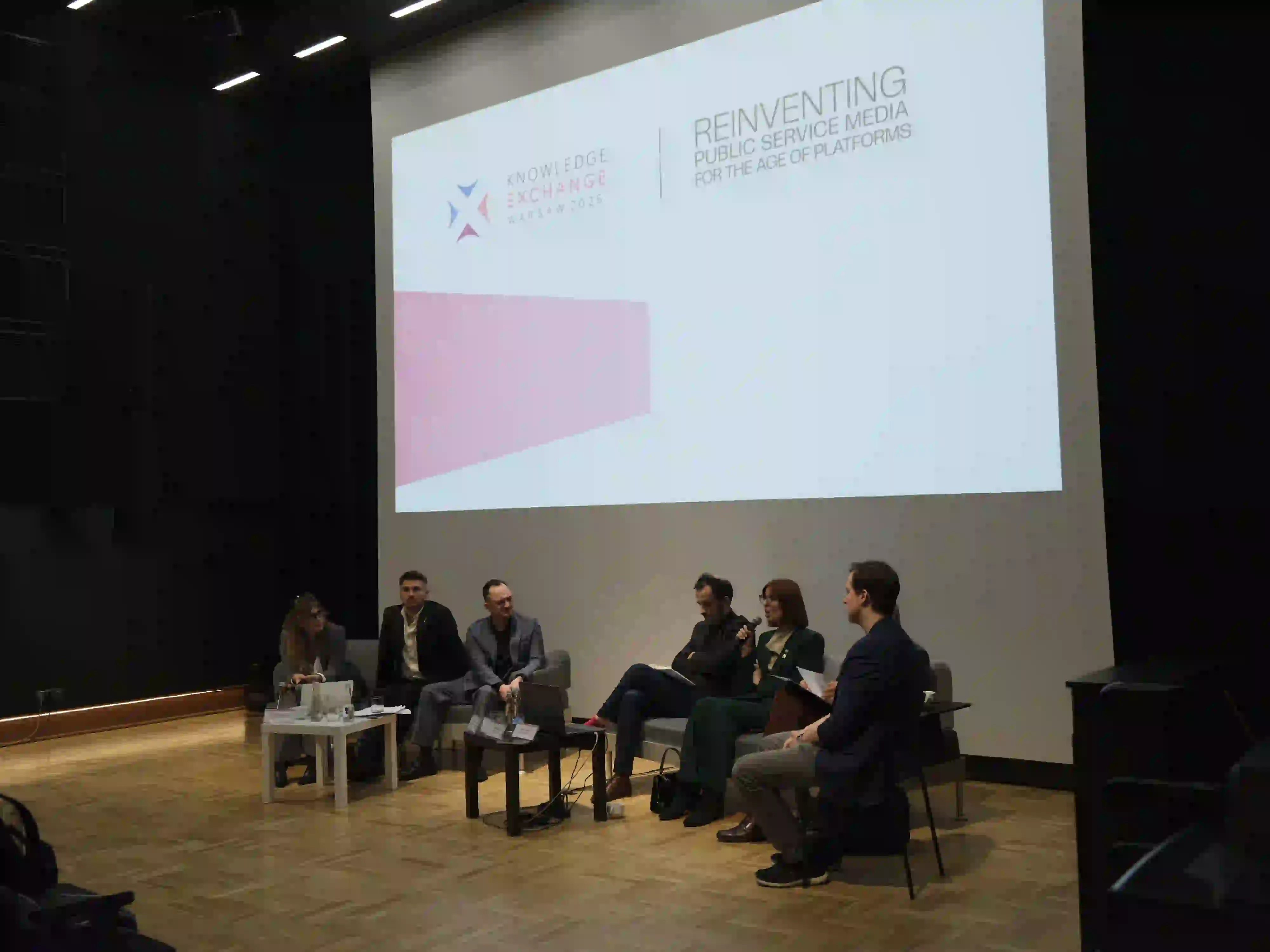
Cultural Audiovisual Heritage for the Public Good and European Competitiveness
On January 22, 2025, a workshop titled “Cultural Audiovisual Heritage for the Public Good and European Competitiveness” was held to discuss the film and media industry. The workshop aimed to explore how various European film markets operate, focusing on film policy-making and the role of public institutions in supporting the film industry. The REBOOT project consortium organised the event in collaboration with researchers from the PSM-AP project and Zachęta - National Gallery of Art, alongside Creative Europe Desk Poland and FINA - National Film Archive - Audiovisual Institute. This workshop is part of the REBOOT (Reviving, Boosting, Optimising, and Transforming European Film Competitiveness) project funded by the European Commission under Horizon Europe. The project is led by Katharine Sarikakis from the University of Vienna. For more information about the project, please visit https://thereboot-project.eu/ .The event of the REBOOT EU Horizon Europe project was joined for the three-day event in Warsaw under the umbrella of the Knowledge Exchange, setting the scene for public service media to thrive in the Age of Platforms.
The goal of Poland's REBOOT national workshop was to support the audiovisual and film industries by bringing together scholars, filmmakers, producers, and key state institutions. Participants discussed the concepts of Public Good and European Competitiveness in the context of global media platforms. The REBOOT initiative focused on research, societal impact, and policy-making contributions aimed at exploring Poland’s and Europe’s audiovisual heritage. Additionally, it sought to enhance access to archives from the pre-internet era, addressing the integration of production and distribution.
The event took place at the Zachęta National Gallery of Art's Cinema Hall and began promptly at 3:00 p.m. Approximately 60 people attended the workshop, actively engaging in the debate for nearly two hours. The workshop, structured as a debate, was led by Michał Głowacki from the University of Warsaw, who heads the Polish research team for the REBOOT project. Several experts participated in the discussion, including Tadeusz Kowalski from the National Broadcasting Council, Jacek Mikucki from the University of Warsaw, Gentiana Ramadani from the University of Vienna, Fernando Ramos Arenas from Complutense University of Madrid and Anita Zawisza from the University of Warsaw.
The event started with a welcome address by Michal Glowacki, who provided a brief overview of the workshop and the objectives of the Reboot research project. The guests were then welcomed by the Dean of the Faculty of Journalism, Information and Book Studies, Dariusz Kuźmina, as well as Agnieszka Pindera, the Director of the Zachęta National Gallery of Art, and Malgorzata Kiełczewska, the Director of Creative Europe Desk Poland. These institutions, along with the National Film Archive - Audiovisual Institute (FINA), were co-organizers of the event. The debate began with a critical question aimed at offering a modern understanding of competitiveness in the film market where Michal Glowacki asked: „Let's try to speak about the lenses of today's competitiveness. What does the competitive mean to you in terms of film, audio, visual and in terms of history?“ Gentiana Ramadani emphasised that defining the concept of competitiveness in today's rapidly changing world, influenced by technology, is challenging. This is why the Reboot project was initiated, aiming to redefine this concept and understand the dynamics of the contemporary film industry. Focusing on the European film market, Ramadani pointed out that competitiveness relies on finding a balance between regulation and creativity. She also highlighted the importance of a shared understanding of competitiveness and public good among both filmmakers and audiences. Fernando Ramos Arenas noted that contemporary film competitiveness should be viewed from a historical perspective to identify both commonalities and differences. It's important to remember that the film industry is constantly evolving, affecting film production, distribution, and exposure. Consequently, the concept of competitiveness in the film market has also changed, taking into account the cultural and social differences among various film markets worldwide. He also referenced research findings to support his points: “We started the conversation with our stakeholders with this idea of asking them about competitiveness, and we ended then usually talking about sustainability.” Thus, it is crucial to maintain a balanced presentation of content in the era of global streaming platforms such as Netflix. Jacek Mikucki pointed out the multiplicity and diversity of film markets, which also makes it difficult to have one holistic definition of competitiveness in the audiovisual sector: “Plenty of people from South America coming to Europe to study to, for example, film direction, camera operation and so on but in the end, they don't follow exactly the same path which Europe promotes.” Thus, the concept of competitiveness should be considered through the lens of regions around the world.
Tadeusz Kowalski, an audiovisual policymaker for more than 40 years, stressed that due to his experience and knowledge, it is extremely difficult to define contemporary competitiveness in the film industry. As he stressed: “I think that we had to think about very wide concept of the competitiveness.” He noted that at the end of the day, all film entities are competing to keep the attention of audiences, which in turn affects economic competition in the film market. This emphasis on the audience's role in shaping competitiveness not only underscores their importance but also makes them feel valued and influential in the industry. Anita Zawisza spoke about the important role of diversity in the film industry: “When it comes to the stakeholders, when it comes to the subject of the movie, of the TV series, it is very important to remember about diversity.” She pointed out that the largest markets in the world are the US and China. Especially the film market in China has a completely different approach to competitiveness, because they don't consider the European or American market, due to China's internal values and policies, which differ from those of, for example, Europe. Besides, the target group is the Chinese citizens themselves, and it is for them that film policy is created.
Later in the conversation, Fernando Ramos Arenas referred to the enormous role of new communications solutions: “you have like this useful suspects over production, huge impact of the VOD platforms, it conglomerates, automation.” He added that Hollywood productions heavily influence the European film market. So competitiveness is often considered only by these two film markets. In turn, Tadeusz Kowalski cited data showing the European market's significant role: “In 2023, it was produced 3300 films in Europe.” He also pointed out that an average of 30 feature-length films are produced annually in Poland. Ramos Arenas acknowledged the problem in film distribution by independent filmmakers: “if you talk to the, to the producers, they may independent producers, they may say that's a problem of distribution or people are not reaching the audiences because somebody's not making the job rightly.” Gentiana Ramadani, on the other hand, pointed out the key role of film policies, especially European ones: “European countries provide a lot of support, of course, to their film industries, but they are both motivated from an economic perspective as well. Cultural objectives and this is related.” Ramadani stressed that film policies depend on cultural factors and the government's understanding of them. In doing so, she cited the example of Austria, which is in the top five European countries that subsidise the film industry with public funds. She attributed the reasons for this result to the film industry's sustainable support programs: “22 public funding institutions in Austria with six operating at the national level and 16 at the regional level.”

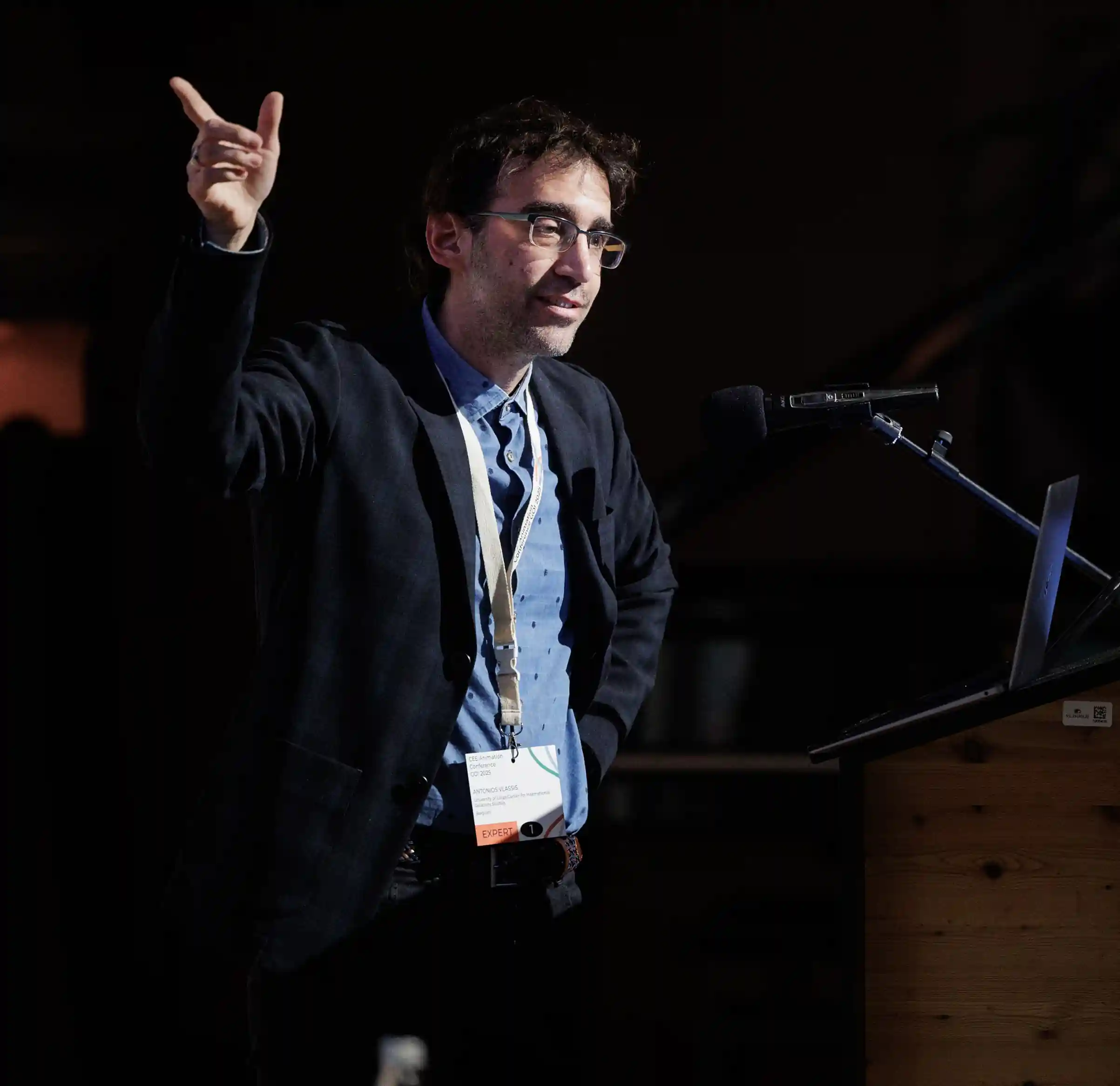
Spotlight on CEE Animation Conference GO! 2025: Advancing Sustainability and Collaboration in European Animation
In March 2025, the twin cities of Nova Gorica in Slovenia and Gorizia in Italy became a vibrant meeting point for animation professionals, institutions, and creatives during the CEE Animation Conference GO! 2025. Held from March 11 to 14 as part of the GO! 2025 European Capital of Culture programme, the event served as a critical space for reflecting on the challenges and opportunities facing the animation industry in Central and Eastern Europe. The conference was organized by the CEE Animation association and aimed to strengthen international collaboration in the animation sector, with a particular focus on sustainability and the transnational development of animated projects. Attendees included representatives from film funds, national animation associations, journalists, experts, and daily visitors, altogether contributing to a dynamic exchange of knowledge and strategies. Antonios Vlassis from the University of Liège, presented research findings from the REBOOT project, funded by the EU’s Horizon Europe programme. His presentation focused on insights from a recent survey (WP4) conducted among EU-based film professionals, examining how they perceive the competitiveness of the European Film Industry (EFI) in both European and global markets. The results shed light on professionals’ concerns and aspirations within a rapidly changing technological landscape and explored how policy can play a supportive role in strengthening Europe’s audiovisual sector. The conference welcomed 16 representatives from film funds, 17 national animated film association delegates, 15 guest speakers and experts, 3 journalists, and 10 daily guests. It also featured joint sessions with 37 talents and experts from the CEE Animation Workshop and 11 participants from the REACT Animation Lab, fostering rich cross-programme interactions. More information about the programme is available here
REBOOT at Script Fiesta: Reflecting on Competitiveness and Public Policy in Film
In March 2025, the REBOOT Polish team participated in the Script Fiesta festival at the Warsaw Film School, where a workshop titled “Competitiveness in the European Film Market: 20th Anniversary of the Polish Film Institute” brought together producers, researchers, and students for a dynamic exchange of ideas.
Chaired by Prof. Alicja Waszkiewicz-Raviv, the session welcomed acclaimed film producers Agnieszka Dziedzic (Koi Studio, Polish Producers Guild) and Agata Terpiał (One3 Studio), alongside REBOOT researchers Dr. Anita Zawisza and Dr. Jacek Mikucki. Together, they explored the evolving role of public institutions in shaping film policy, with a focus on competitiveness, funding frameworks, and the future of European cinema.
The event also highlighted the contributions of emerging talents from the Warsaw Film School, with a photo report prepared by students Joanna Godun and Marianna Watras from WDIB.
This workshop marked a key moment for REBOOT’s engagement with local industry stakeholders and reaffirmed the importance of public dialogue in shaping inclusive and sustainable film governance.


Reboot Workshop Recap: Cinema and Interculturality – Languages, Identities, Stories
On February 26, 2025, the Cultural Relations and Comparative Arts Lab (CulCo Lab) at the University of Thessaly, in collaboration with the Reboot Project, successfully hosted the workshop “Cinema and Interculturality: Languages, Identities, Stories”.
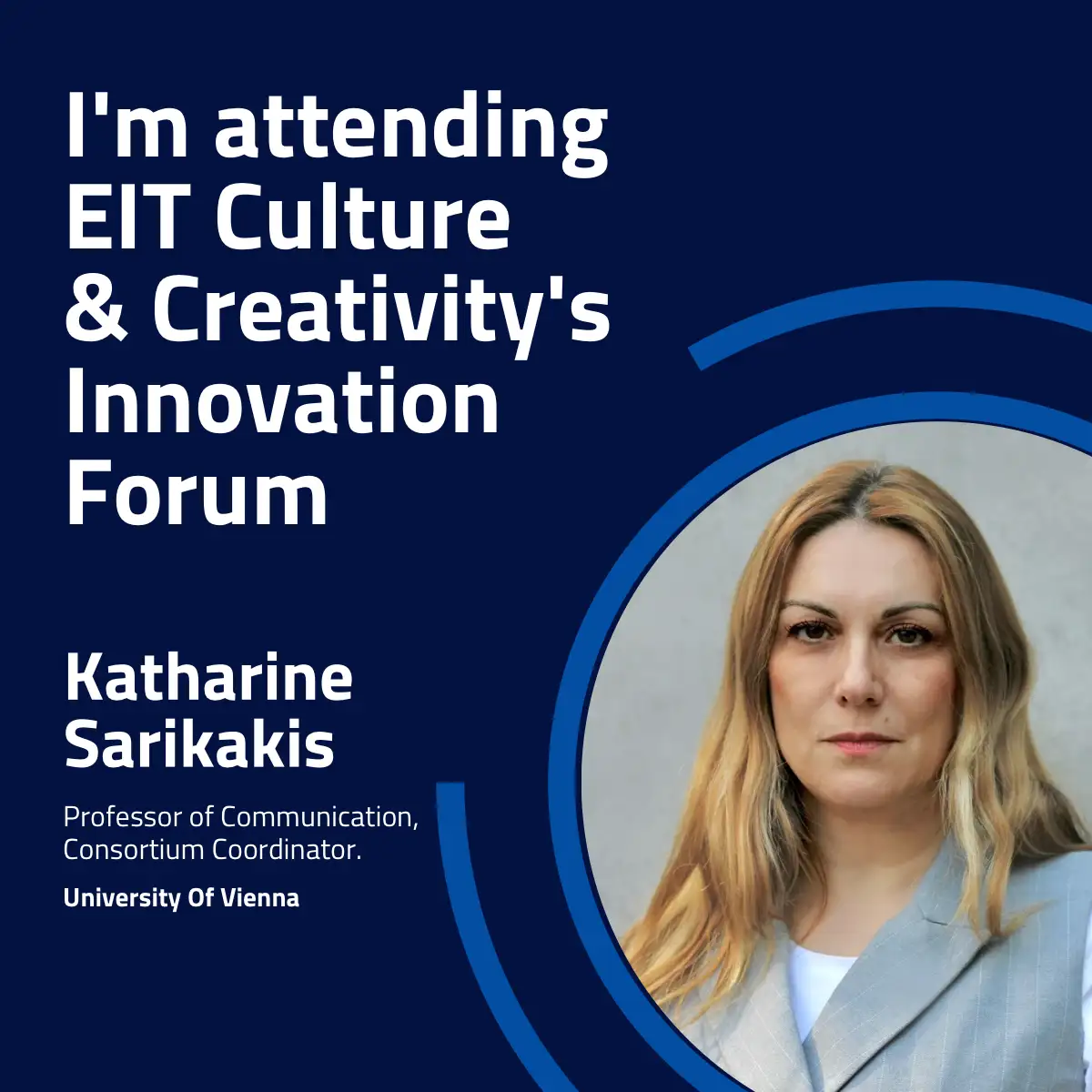
Reboot joins the EIT Culture & Creativity Innovation Forum in Nice.
Under the theme: "Creativity Meets Circularity 🌿”, the second edition of the EIT Culture & Creativity Innovation Forum brings together leaders to explore how cultural and creative sectors can drive the transition to a circular economy on 22-23 April 2025, in Nice, France. The forum creates a vital space where innovation, sustainability and creativity intersect to build more resilient and inclusive futures.
Katharine Sarikakis , Professor of Communication Science at the University of Vienna and #REBOOT Project Lead, is joining a distinguished panel discussing "Audio-visual and Media, Gaming and Local Ecosystem Experiences".
A unique opportunity to share insights along leading experts on sustainable transformation in media and creative industries.
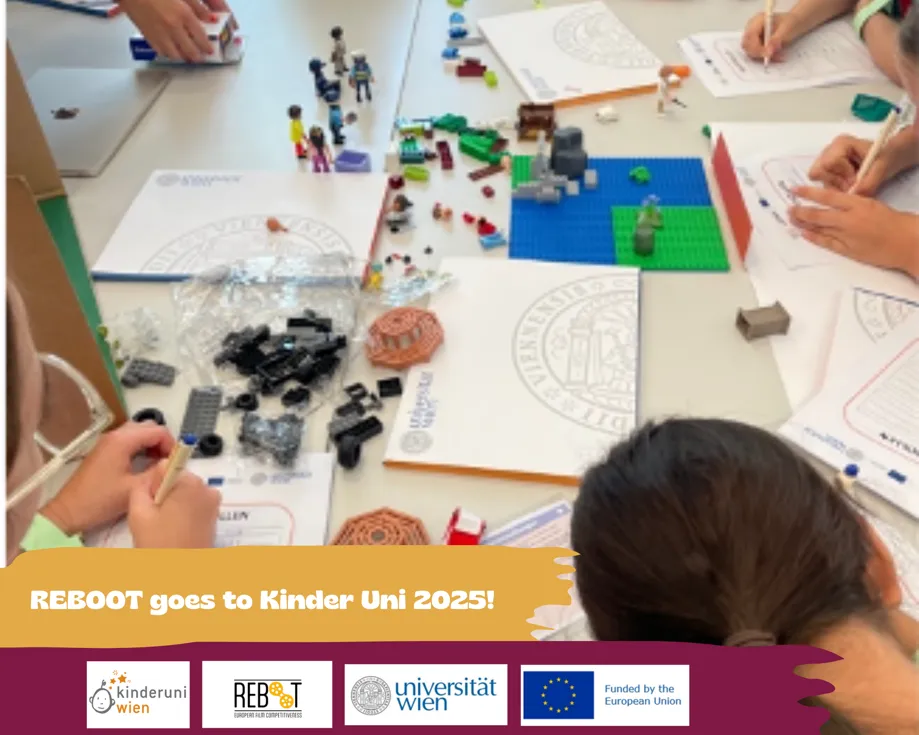
REBOOT At Kinder Uni : Sequel 2!
For the second year in a row, the REBOOT team proudly announces its participation at the Kinder Uni 2025! This year, we are hosting an immersive film scripting workshop on July 7th, titled: “A Creative Film Storytelling Journey” tailored for young creatives aged 7 to 12.
The Kinder Uni, one of Europe’s largest children’s universities (operating since 2003), opens its doors for two weeks every year, inviting children to explore the future and experience the university world through its lively motto: “We turn the university upside down!”
Our workshop will transport kids into the exciting world of movie-making through hands-on activities that blend education with entertainment. Carefully structured to develop essential skills, the session encourages children to brainstorm story ideas together and transform their creativity into real, tangible projects.
Beyond learning filmmaking basics, participants will gain confidence, teamwork skills, and a deeper appreciation for storytelling, all while working with adapted professional tools designed for young minds. Via this unique platform, we share insights and findings from our ongoing research project with the community - planting the seeds of cinematic passion, showing children the magic of European films. Through creative play, we are building tomorrow's engaged audiences and filmmakers!
Find out more about our previous workshop here .
EIT Culture & Creativity’s Innovation Forum
Welcome to the EIT Culture & Creativity Innovation Forum, an event where innovation, sus- tainability, and creativity come together to build a more resilient and inclusive future. Under the theme «Creativity Meets Circularity», this second edition explores the potentially trans- formative role of the cultural and creative sectors and industries (CCSI) in driving the shift to a circular economy.
As the European Green Deal advances European ambitions, the new Circular Economy Act and the New European Bauhaus, outlined in President Ursula von der Leyen’s policy agenda, begin to embed circular principles across all sectors. The Act drives systemic change, linking environmental sustainability with economic innovation and societal well-being.
At EIT Culture & Creativity, our programmes align with this vision, prioritising circular and resil- ient practices in fashion, architecture, audiovisual media, gaming, and cultural heritage to drive sustainable transformation. The Creative and Cultural Sectors and Industries (CCSI) are uniquely positioned to lead this transition - not only strengthening economic resilience but also fostering social inclusion and open, diverse societies. This forum will explore whether circularity may be at the heart of innovation, shaping new value chains, markets, and business models in CCSI, and extending beyond economic metrics to create broader societal impact.
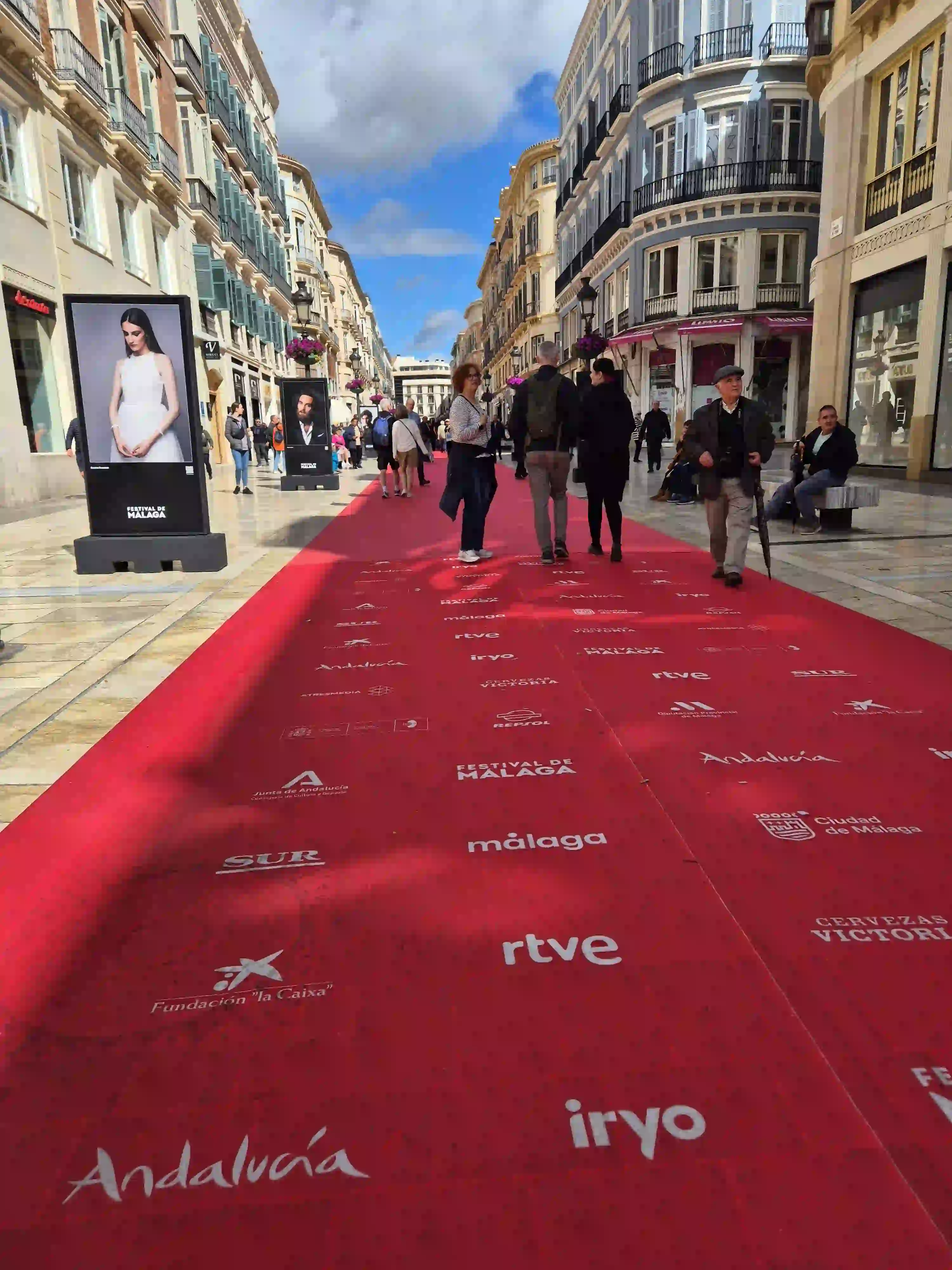
The Reboot Project at Málaga Film Festival 2025 (MAFIZ)
A VOD Europe report analyzes the competitiveness of European cinema on digital platforms
The VOD Europe Report -Case Study of Spain was presented at the Málaga Film Festival (MAFIZ) on March 18, 2025. Developed within the Horizon 2020 REBOOT Project, funded by the European Union under the Horizon Europe program, this study was led by Dr. Fernando Ramos in collaboration with Dr. Loreto Corredoira from Complutense University of Madrid. It examines the evolution and key challenges of the Video on Demand (VOD) market in Spain and across Europe.
The report examines the impact of major global platforms such as Netflix, Amazon Prime Video, and MAX, as well as the response of national operators such as Filmin and Atresplayer. Among its key findings, it highlights the positive effects of the implementation of the Audiovisual Media Services Directive (AVMSD 2018) in Spanish legislation through the General Law on Audiovisual Communication (LGCA, 2022), which establishes requirements for the promotion and funding of European content.
Alongside the presentation, a panel discussion was held, moderated by Fernando Ramos, with Fabia Buenaventura, General Director of Independent Producers (FAPE), who called for continued support for Spanish and European cinema, considering that the sector is fragmented by SMEs and medium-sized businesses. Miguel Langle, Director of Regulatory Affairs and Institutional Relations of Atresmedia, suggested that, in the future, the Directive should apply the same legal framework to all audiovisual players and not only television and VOD (video-sharing platforms such as YouTube and Instagram). Finally, journalist and film critic Ana Sánchez de la Nieta (Aceprensa, Row 7) talked about the creative period Spanish cinema is coming through and pointed out that the financial support has been effective and has led to films such as Sorda, a film by Eva Libertad that is tipped to be a favorite in Málaga Film Festival, with a fresh approach to disability and motherhood, a kind of movie that make us better as a society.


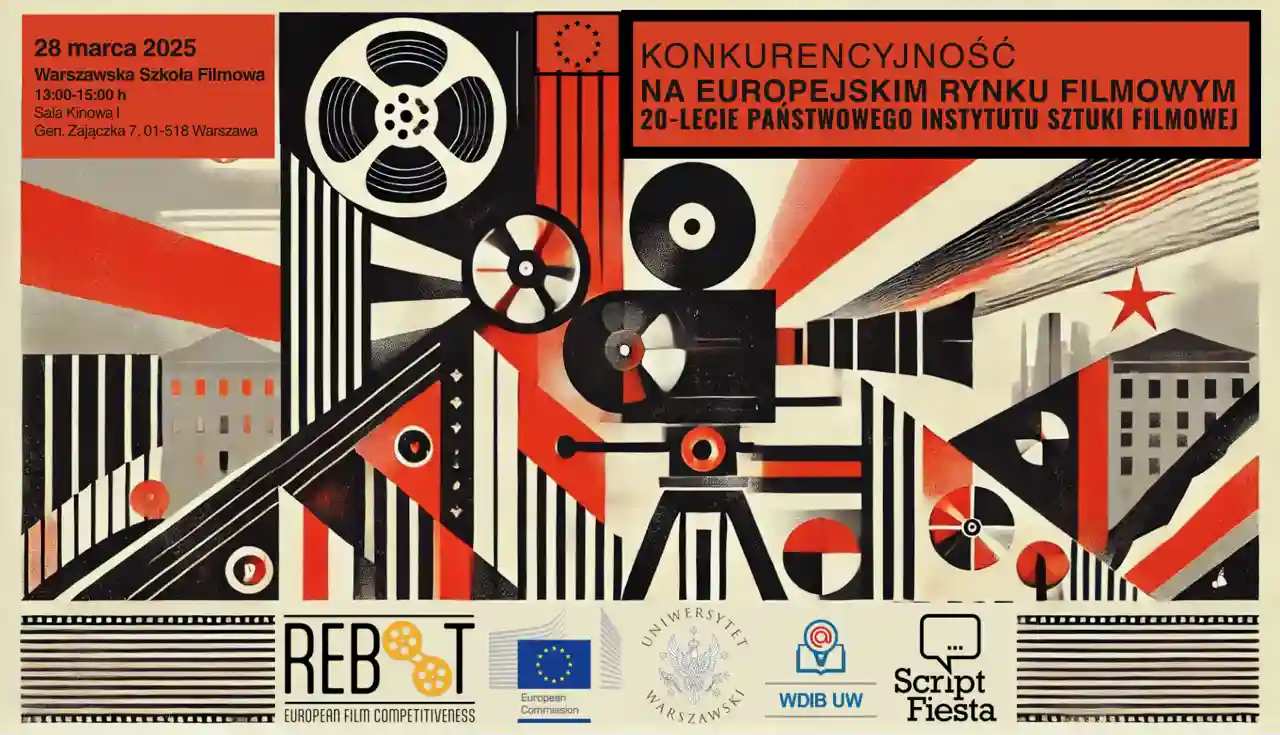
Competitiveness in the European film market. 20th anniversary of the Polish Film Institute
You are cordially invited to a workshop on the film and media industry entitled Competitiveness in the European Film Market. 20th Anniversary of the Polish Film Institute. The workshop aims to examine competitiveness in an institutional dimension, emphasizing the formation of film policy and the role of public institutions in supporting the film industry, with a particular focus on the Polish Film Institute (PISF) activities.

International Congress Connecting Voices: Global Perspectives on Pedagogical Innovation and Research
The International Congress Connecting Voices: Global Perspectives on Pedagogical Innovation and Research, hosted by the Faculty of Humanities and Communication Sciences at the University San Pablo CEU, took place from March 10th to 14th, 2025. This event was designed to foster international collaboration and knowledge-sharing in the fields of Journalism, Audiovisual Communication, Digital Communication, and Advertising & PR.
Over the course of the International Week, lectures and training activities aimed at both local and international teachers focused on networking and strengthening professional ties. The event featured 15 guest speakers who participated in COIL (Collaborative Online International Learning) sessions, teaching innovation workshops, and research discussions during the day. In the afternoons and evenings, cultural activities enriched the experience.
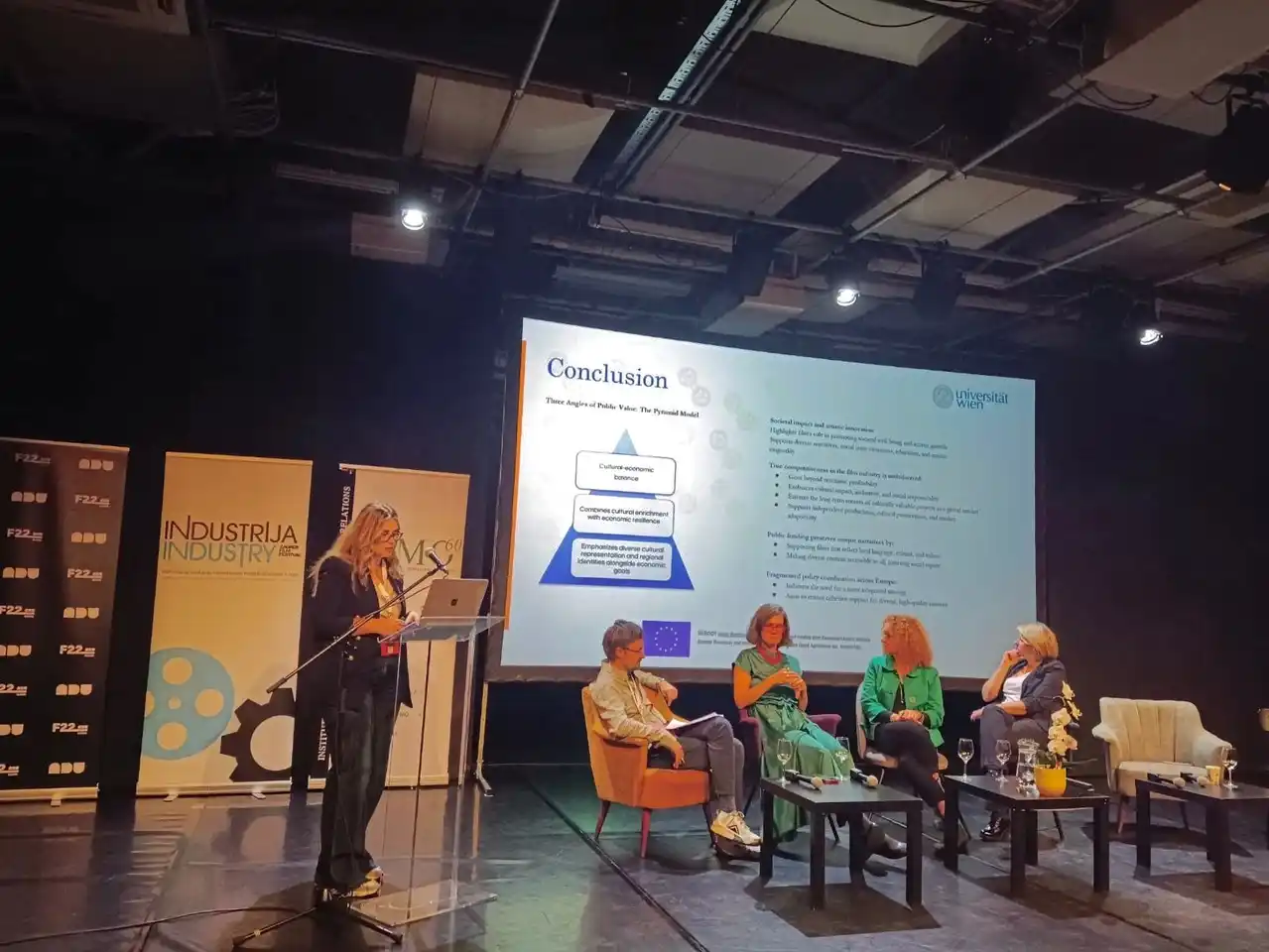
Small Cinemas Conference in Zagreb sparks dialogue between scholars and film industry leaders
From November 5th to 7th, the 15th Small Cinemas Conference in Zagreb hosted an insightful cluster panel titled „Approaches to Competitiveness in Small Film Industries.“as a connecting minds, this panel brought together leading voices from three prominent EU Horizon Europe projects, REBOOT, SCENE, and CresCine, to discuss how small film industries in Europe navigate the complexities of international competitiveness.
Moderated by Petr Szczepanik from Charles University in Prague, the panel featured:
The discussion explored what competitiveness means for the film business in smaller countries and how small film industries in Europe can enhance their international reach. The panelists shared insights on challenges such as limited resources, distribution obstacles, and global competition while emphasizing the unique strengths of small markets, including cultural diversity, regional storytelling, and supportive policy frameworks.
REBOOT: Rethinking Competitiveness
Antonios Vlassis presented the work of the REBOOT project, highlighting its comprehensive approach to understanding competitiveness in the European film industry. He emphasized that focusing solely on market and economic metrics falls short of capturing how institutions, stakeholders, audiences, and citizens relate to the film industry. Instead, he argued for exploring political and social dynamics to fully grasp the complexities of competitiveness. Vlassis stressed the importance of considering Europe's socio-economic, cultural, and political landscape to build a more inclusive and competitive film industry.
SCENE: Leveraging AI for Global Reach
Dr. Anastasios Drosou, coordinator of the SCENE project, introduced innovative AI tools designed to support small film industries by increasing efficiency in production, distribution, and market analysis. He showcased how these AI-driven solutions enhance international reach, optimize workflows, and create new opportunities for collaboration and innovation within the European cinema industry. Dr. Drosou emphasized the importance of digital transformation and international networking to foster competitiveness.
CresCine: Innovating Across the Value Chain
André Rui Graça presented an overview of the CresCine project, which aims to increase the international competitiveness of the film industry in small European markets. The project takes a comprehensive approach by addressing the entire film production, distribution, and consumption ecosystem. It seeks to innovate at all levels of the value chain, from policy frameworks to data management, new business models, and distribution modes. Graça highlighted the achievements of the project to date and its potential to reshape small film markets through strategic innovation.

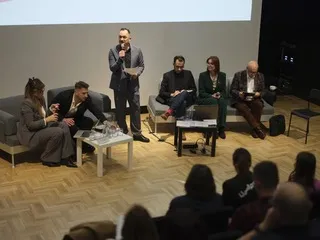
Cultural Audiovisual Heritage for the Public Good and European Competitiveness
On January 22, 2025, a workshop titled "Cultural Audiovisual Heritage for the Public Good and European Competitiveness" was held to discuss the film and media industry. The workshop aimed to explore how various European film markets operate, focusing on film policy-making and the role of public institutions in supporting the film industry.
The REBOOT project consortium organised the event in collaboration with researchers from the PSM-AP project and Zachęta - National Gallery of Art, alongside Creative Europe Desk Poland and FINA - National Film Archive - Audiovisual Institute. This workshop is part of the REBOOT (Reviving, Boosting, Optimising, and Transforming European Film Competitiveness) project funded by the European Commission under Horizon Europe. The project is led by Katharine Sarikakis from the University of Vienna. For more information about the project, please visit The Reboot Project .The event of the REBOOT EU Horizon Europe project was joined for the three-day event in Warsaw under the umbrella of the Knowledge Exchange, setting the scene for public service media to thrive in the Age of Platforms.
The goal of Poland's REBOOT national workshop was to support the audiovisual and film industries by bringing together scholars, filmmakers, producers, and key state institutions. Participants discussed the concepts of Public Good and European Competitiveness in the context of global media platforms. The REBOOT initiative focused on research, societal impact, and policy-making contributions aimed at exploring Poland’s and Europe’s audiovisual heritage. Additionally, it sought to enhance access to archives from the pre-internet era, addressing the integration of production and distribution.
The event took place at the Zachęta National Gallery of Art's Cinema Hall and began promptly at 3:00 p.m. Approximately 60 people attended the workshop, actively engaging in the debate for nearly two hours. The workshop, structured as a debate, was led by Michał Głowacki from the University of Warsaw, who heads the Polish research team for the REBOOT project. Several experts participated in the discussion, including Tadeusz Kowalski from the National Broadcasting Council, Jacek Mikucki from the University of Warsaw, Gentiana Ramadani from the University of Vienna, Fernando Ramos Arenas from Complutense University of Madrid and Anita Zawisza from the University of Warsaw.
The event started with a welcome address by Michal Glowacki, who provided a brief overview of the workshop and the objectives of the Reboot research project. The guests were then welcomed by the Dean of the Faculty of Journalism, Information and Book Studies, Dariusz Kuźmina, as well as Agnieszka Pindera, the Director of the Zachęta National Gallery of Art, and Malgorzata Kiełczewska, the Director of Creative Europe Desk Poland. These institutions, along with the National Film Archive - Audiovisual Institute (FINA), were co-organizers of the event. The debate began with a critical question aimed at offering a modern understanding of competitiveness in the film market where Michal Glowacki asked: „Let's try to speak about the lenses of today's competitiveness. What does the competitive mean to you in terms of film, audio, visual and in terms of history?“ Gentiana Ramadani emphasised that defining the concept of competitiveness in today's rapidly changing world, influenced by technology, is challenging. This is why the Reboot project was initiated, aiming to redefine this concept and understand the dynamics of the contemporary film industry. Focusing on the European film market, Ramadani pointed out that competitiveness relies on finding a balance between regulation and creativity. She also highlighted the importance of a shared understanding of competitiveness and public good among both filmmakers and audiences. Fernando Ramos Arenas noted that contemporary film competitiveness should be viewed from a historical perspective to identify both commonalities and differences. It's important to remember that the film industry is constantly evolving, affecting film production, distribution, and exposure. Consequently, the concept of competitiveness in the film market has also changed, taking into account the cultural and social differences among various film markets worldwide. He also referenced research findings to support his points: “We started the conversation with our stakeholders with this idea of asking them about competitiveness, and we ended then usually talking about sustainability.” Thus, it is crucial to maintain a balanced presentation of content in the era of global streaming platforms such as Netflix. Jacek Mikucki pointed out the multiplicity and diversity of film markets, which also makes it difficult to have one holistic definition of competitiveness in the audiovisual sector: “Plenty of people from South America coming to Europe to study to, for example, film direction, camera operation and so on but in the end, they don't follow exactly the same path which Europe promotes.” Thus, the concept of competitiveness should be considered through the lens of regions around the world.
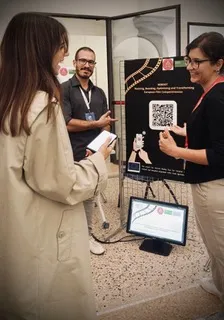
REBOOT Researchers met the public on the European Night of Researchers 2024 (BRIGHT - NIGHT) in Pisa!
On 27 September 2024, the REBOOT Research Team of Scuola Superiore Sant’Anna (Pisa, Italy) participated in the annual “BRIGHT-NIGHT: European Night of Researchers 2024” to meet and talk with cinema enthusiasts visiting the event venue from Pisa and its surroundings.
Held under the auspices of the European Commission, BRIGHT-NIGHT is a cultural and scientific initiative dedicated to spreading science and culture through a series of events, workshops, interactive sessions, experiments and presentations. Standing for “Brilliant Researchers Impact on Growth, Health and Trust” in research, BRIGHT-NIGHT creates a vibrant atmosphere by transforming – only for a night – publicly accessible places such as town squares, community parks, university premises and even pubs and bars, into venues where the citizens can meet researchers, hear about their research activities and scientific/cultural output – or even be part of these research endeavours.
Having the opportunity to be part of this unique experience, the REBOOT researchers of Scuola Superiore Sant’Anna held a stand at the premises of one of Sant’Anna’s historical buildings, Palazzo Pilo Boyl, from 5 to 11 pm. They presented the REBOOT Project and encouraged citizens of all ages to engage with the Project’s ambitions and tasks. REBOOT attracted the attention of a wide range of visitors who engaged in a conversation with the research team about the current status and the future trajectories of the European Film Industry.
The REBOOT stand was a hot spot also for the younger cinema enthusiasts. The research team was delighted to talk to kids and their families, teenagers and young adults and to hear about their opinions on cinema. The BRIGHT-NIGHT was also a great opportunity to involve teenagers and young adults in some of the participatory research activities carried out in the context of the project, such as focus groups and surveys on young audiences’ preferences of cinematographic content.
Whilst the memories of the BRIGHT-NIGHT 2024 are still fresh, the REBOOT researchers are already excited for next year’s event. Stay tuned!
Caterina Sganga, Denise Amram, Pelin Turan, Piergiorgio Pilo, and Veronica Punzo
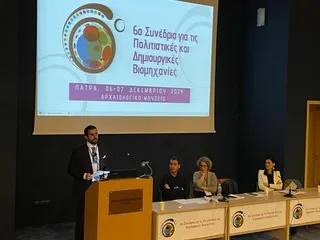
Competitiveness and Cultural Diversity in EU Audiovisual Policies
Dr. Apostolos Samaras, senior researcher, participated in the 6th Conference on Cultural and Creative Industries, held in Patras on December 6-7, 2024. As part of the panel on “Music and Audiovisual Industries,” Dr. Samaras delivered a presentation titled “Competitiveness” and “Cultural Diversity” in EU Policies for the Audiovisual Sector, offering insights into the evolving policy landscape of the European audiovisual industry.
His presentation examined the interplay between economic competitiveness and cultural diversity in EU policymaking, highlighting the challenges posed by digital platforms and rapid technological advancements. He also discussed how EU policies navigate the delicate balance between economic growth and the preservation of cultural diversity in the film and audiovisual sectors.
The data presented was drawn from the report Competitiveness in European Law (Psychogiopoulou, Samaras, Comerma, Vlassis, Riga), conducted within the framework of the REBOOT project. Dr. Samaras’ contribution to the conference underscored the importance of research-driven policy recommendations in shaping the future of the European audiovisual sector.
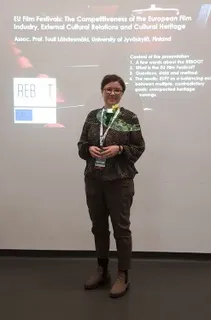
Discussing Heritage Meanings of European Film at the ELABCHROM Conference
European film is not only an important European industry, but also an essential part of Europe's cultural heritage and, as such, could be promoted more effectively to reach audiences who want to engage with it. This is the argument presented by Tuuli Lähdesmäki at the conference Tangible and Intangible Cultural Heritage: A Dichotomy under Debate, held on 24-25 October in Sibiu, Romania. The conference was organised by the Horizon Europe- funded ELABCHROM project with its project partners, the Lucian Blaga University Sibiu in Romania, the University of Burgundy in France, and the University of Jyväskylä in Finland.
The conference brought together over 70 experts from different European countries, representing not only universities and research institutes, but also museums and cultural institutions. In 14 thematic panels, speakers and participants discussed the intertwining of tangible and intangible cultural heritage and the challenges of distinguishing them in cultural policy and governance. One of the conference panels focused on festivals as cultural heritage. This theme linked the conference to the local cultural scene in Sibiu, known for its lively international festivals. During the conference, the city hosted the Astra Film Festival (https://www.astrafilm.ro/en), which has been held annually in Sibiu since 1993. It is known for presenting a diverse selection of documentaries from around the world.
Lähdesmäki's presentation at the conference focused on the EU Film Festivals that the REBOOT partners from the University of Jyväskylä, Erasmus University Rotterdam (the Netherlands), and Kadir Has University (Türkiye) have jointly researched based on grey literature and interview data collected among EU Delegations and EU Film Festival organisers in eight non-EU countries. Lähdesmäki's presentation focused on EU Film Festivals in two case countries, the UK and Canada, both of which include populations, migrants, and ex-patriots with heritage and cultural roots in (continental) Europe.
The analysis of this interview data showed that European films have a particular heritage meaning that is not addressed in EU film policy. This meaning is based on film as personal cultural heritage, i.e. historical, cultural, and familial elements that shape one's identity and sense of belonging to a cultural group. According to the interviews with festival organisers, European expatriates, migrants and citizens with a migrant background and their families form an important audience for festivals in multicultural metropolises, such as London, Toronto, Ottawa, and Vancouver. Such audiences are eager to see European films from their (or their parents', grandparents' or relatives') home countries, to experience their culture and cultural environment and to hear their native language.
Since 2000, EU cultural policy discourses have identified film as cultural heritage and launched policies to promote European film heritage. Film as heritage is also mentioned in practical guidelines for EU Film Festivals. However, neither the policies nor the guidelines recognise the personal heritage meaning of European films. Such a meaning is important for a specific audience segment, which could be better recognised as a potential market niche for European films.
Tuuli Lähdesmäki
University of Jyväskylä
OUR FINAL CONFERENCE
Screening the Scene: Rethinking European film competitiveness
- Dates
- Held on 9–10 October 2025
- Location
- Department of Communication, University of Vienna
Speakers
Roland Teichmann
Director – Austrian Film Institute
Katharine Schenk
Head of Fiction - ORF Austrian Broadcasting Corporation
Juliette Prissard
General Delegate - Eurocinema
Rodrigo Gómez
Professor - Universidad Autónoma Metropolitana
Brigid O’Shea
Director - Documentary Association of Europe
Roland Teichmann
Director – Austrian Film Institute Katharine Schenk
Head of Fiction - ORF Austrian Broadcasting Corporation Juliette Prissard
General Delegate - Eurocinema Rodrigo Gómez
Professor - Universidad Autónoma Metropolitana Brigid O’Shea
Director - Documentary Association of Europe
Past Event
Thank you to all participants who joined us for this impactful conference.
The conference brought the REBOOT project to a powerful close through dialogue, debate and vision-building, collectively shaping the next chapter of Europe’s film and audiovisual future.
OUR BLOG POSTS
OUR BLOG POSTS
Coexisting With AI: Discussing Current European Animations through Mars Express (2023)
by Gülseda Dabağ
Artificial intelligence has been both celebrated and criticized in visual art, often framed as either a productive tool or a disruptive threat. This debate becomes more visible in animation, a medium originally built on human effort and craftsmanship. Although animation has long evolved through technological innovation, AI differs from earlier tools by intervening directly in creative decision- making. These concerns sit at the core of Mars Express (2023), a film that places human and artificial agency in direct relation. Reading the film alongside contemporary debates, this blog post examines Mars Express through the lens of AI, with particular attention to the European animation industry’s ongoing effort to protect artistic labour while adapting to technological change.
In Mars Express, artificial intelligence has neither erased humanity nor replaced it. Humans and machines already coexist. Androids live among people, work for them, and fulfill everyday needs. They are not distant threats or future invaders, but part of the society. This is precisely what makes the film unsettling. Coexistence exists, yet it is deeply unstable. Androids appear efficient, calm, and emotionally controlled, but their freedom is tightly limited by rules designed by humans. More importantly, conflict does not arise because machines seek domination; it emerges from human discomfort. As the film’s director Jérémie Périn suggests , people react poorly when faced with systems that seem more rational or consistent than themselves. (Aguilar, 2024) In the film, this unease turns into fear, and fear turns into control. Humans rely on machines to keep society functioning, yet refuse to treat them as equals. At the same time, androids remain trapped within boundaries they never chose. The result is not an AI rebellion, but a deadlock. Mars Express portrays a slow collapse driven by insecurity, denial, and the failure to imagine coexistence as something that requires change on both sides.
This tension closely mirrors current debates within the animation industry. Artists are rarely afraid of technology itself. Animation has always depended on tools, from cameras to software. The fear begins when AI shifts from assisting work to reshaping power. If AI simply reduced repetitive tasks, supported research, or helped the unwanted tasks that emerge from the nature of animation, it would be difficult to argue against its use. The concern comes when efficiency becomes a justification for fewer workers, compressed schedules, or the entire removal of human creativity. As Lang (2024) notes , many European artists and studios are increasingly worried not about AI as a concept, but about how it is being integrated into production systems in ways that weaken human- led creativity. Automation promises faster production and larger output, but it can also make creative work less visible and easier to replace. Unique artistic styles risk being reduced to standardized results shaped by market needs rather than artistic choices. (Wright et al., 2025)
These concerns are often discussed through the idea that creativity is no longer produced by a single author, but emerges from relationships between humans, machines, and systems. While this “distributed” view of creativity can open space for collaboration and experimentation, it also raises uncomfortable questions. If creativity is shared across systems, who is responsible for final decisions? Who receives credit? Who carries the economic risk? Mars Express stages this problem narratively. Androids are fully embedded in society, yet denied moral and creative autonomy. Their efficiency exposes human fragility, and instead of renegotiating shared conditions, humans respond by tightening control. In both the film and the industry, coexistence exists but power remains uneven.
The sleeping giant, the European Film Industry: REBOOTing right questions and daring answers
Read the full Blogpost by downloading the PDF
Katharine Sarikakis
Professor of Media Governance and Media Industries
Director, Media Governance and Industries Research Lab
Coordinator REBOOT project
One of the pressing questions in the film industries across the world has historically been how to best protect national cinema and how to make it competitive. Europe has been returning to this question over several decades now, sometimes through policies, sometimes through refocusing its research agenda. This question is not new. It has also not had any definite answers.
Across many national and regional film industries, the underlying concern is that the Hollywood engine remains unbeatable in the box office and even threatens the viability of national cinema. It is not a coincidence how Hollywood came to inhabit every daily mediatised experience across the western world, to say the least. It is almost omnipresent in the cinemas and streaming platforms, in the market as merchandise, in the news media in the form of interviews with or gossip about celebrities. Certainly, what we witness is the end result of a sophisticated system promoting the interests of the US American film industry. It does so not only through an oligopolised system of distribution channels and stardom, but also through a historically long and systematic pursuit of bilateral agreements globally, and on the EU level since 1993. Hollywood is clearly a dominating actor globally. And clearly, this is not simply because it produces better products than anyone else.
When we, therefore, ask what Europe can do to be more competitive, often the underlying question is what Europe can do to compete against Hollywood. During the course of this project, I have had several times the opportunity to talk to journalists and the media about our work. There is a great interest in what we do, but there is also a widespread cultural ‘fixation’ of prioritising the perceived need to compete against Hollywood. Funnily enough, even when I say that, to my personal opinion, this is the wrong question if we want to enhance the competitiveness of the European industry, newspaper titles claim exactly that!
So, what are the right questions to ask and what has REBOOT done to answer those? To set the scene, we need to take a sober look at the social and political and cultural historical legacies and today’s conditions frame European societies. A starting point is to consider the fact that European traditions and innovation in culture are distinct and derive from a history of difference and commonality translated into a most diverse spectrum of cultural practices. From languages to ways of life, everyday social systems and political cultures, Europe has been a hub of human centred legal frameworks, philosophy and vocation across the arts and sciences, crafts and service. It is characterised by the historical reign of public service institutions and their provision, free at the point of service, such as education and health care. At the surface, all of these traits can be easily framed as losses and weaknesses in a market driven economy. This is the case, if the market driven economy prioritises concentration of ownership and is regulated as such. In other words, this is the case when public policy prioritises the interests of a few.
A second point is to define exactly whose interests must be pursued under public policy for cinema and the film industry. Universally, culture is the domain where the building blocks for Aristotle’s Eudaemonia, the ‘Good Life’ are built: humanistic, planetary friendly and aware culture transforms imagination to vision, allows free expression and experimentation, provides the stage for innovation and tackling crises, enhances and reinforces human bonds and social cohesion, provides mental and psychological support and generally, makes life worth living. When looking at the European experience in particular, drenched with conflict, but also amazing cross-national living and loving, we can easily understand that culture for Europe, not just the EU, is and should be the pivotal geopolitical ‘moment’ for the preservation of meaningful democracies, social integration and cohesion and for the ‘Good Life’.
From these two fundamental factual starting points, the questions to be asked are what REBOOT sought to research and answer over the three years. An incredibly complex and rich tapestry of research and outputs was crafted by more than 60 researchers and an advisory board of protagonists in the film and audiovisual sector and hundreds of others, stakeholders as we call filmmakers and music producers, policymakers and young professionals through interviews, in depth analysis and archive and desk research, focus groups and workshops. Thousands of children and young people, over 5000, across Europe talked to us and helped us with their incredible sophistication and passion to reimagine and realise and reposition all these questions, once and for all.
We asked through many different ways and formats, what are the weaknesses of the European film industry, what remains underutilised or neglected, what is its greatest contribution and, given all that, what does competitiveness look like and what does the future of the European film industry look like?
Again and again, we were told, in no uncertain way, that European films are authentic and speak of truth and life, precisely because they come from all possible places. They tell a mosaic of the human experience and paint all colours of human existence. Concepts of diversity and democracy are not decorative lip service but a true goal across the board, from filmmakers to young audiences, from policymakers to global industries to public institutions. This does not mean everybody sees the film industry and European film as a nonprofit organisation, for some profit-making is more important and authenticity in storytelling is considered secondary to box office success. To a certain extent, coproductions have occasionally diluted the taste of commitment to diversity of nations and human experience to fit economic prescriptions. Yet the overwhelming response from 5000 children and young people is clear: fatigue from and aversion to blockbuster logic, repetition and ‘cheapness’ of stories. If the film industry in Europe wants to resonate with future audiences, then it must open its creativity box and invest in distinction more strongly, not less. It must invest in original film soundtrack and in compelling storytelling.
Public institutions in Europe have played an enormous role in historically investing in the creation of know-how, educating and funding the making of storytelling in films. They have a central role in crafting spaces for newcomers, independents, marginalised groups and themes. However, they can be notoriously hard to navigate bureaucratically and downright exclusive to young filmmakers. Special trends need to be created for filmmaking connecting not only film schools, but also young people outside those into a larger mentoring and supporting hub of possibilities.
The sleeping giant, the European Film Industry: REBOOTing right questions and daring answers
Katharine Sarikakis
Professor of Media Governance and Media Industries
Director, Media Governance and Industries Research Lab
Coordinator REBOOT project
One of the pressing questions in the film industries across the world has historically been how to best protect national cinema and how to make it competitive. Europe has been returning to this question over several decades now, sometimes through policies, sometimes through refocusing its research agenda. This question is not new. It has also not had any definite answers.
Across many national and regional film industries, the underlying concern is that the Hollywood engine remains unbeatable in the box office and even threatens the viability of national cinema. It is not a coincidence how Hollywood came to inhabit every daily mediatised experience across the western world, to say the least. It is almost omnipresent in the cinemas and streaming platforms, in the market as merchandise, in the news media in the form of interviews with or gossip about celebrities. Certainly, what we witness is the end result of a sophisticated system promoting the interests of the US American film industry. It does so not only through an oligopolised system of distribution channels and stardom, but also through a historically long and systematic pursuit of bilateral agreements globally, and on the EU level since 1993. Hollywood is clearly a dominating actor globally. And clearly, this is not simply because it produces better products than anyone else.
When we, therefore, ask what Europe can do to be more competitive, often the underlying question is what Europe can do to compete against Hollywood. During the course of this project, I have had several times the opportunity to talk to journalists and the media about our work. There is a great interest in what we do, but there is also a widespread cultural ‘fixation’ of prioritising the perceived need to compete against Hollywood. Funnily enough, even when I say that, to my personal opinion, this is the wrong question if we want to enhance the competitiveness of the European industry, newspaper titles claim exactly that!
So, what are the right questions to ask and what has REBOOT done to answer those? To set the scene, we need to take a sober look at the social and political and cultural historical legacies and today’s conditions frame European societies. A starting point is to consider the fact that European traditions and innovation in culture are distinct and derive from a history of difference and commonality translated into a most diverse spectrum of cultural practices. From languages to ways of life, everyday social systems and political cultures, Europe has been a hub of human centred legal frameworks, philosophy and vocation across the arts and sciences, crafts and service. It is characterised by the historical reign of public service institutions and their provision, free at the point of service, such as education and health care. At the surface, all of these traits can be easily framed as losses and weaknesses in a market driven economy. This is the case, if the market driven economy prioritises concentration of ownership and is regulated as such. In other words, this is the case when public policy prioritises the interests of a few.
A second point is to define exactly whose interests must be pursued under public policy for cinema and the film industry. Universally, culture is the domain where the building blocks for Aristotle’s Eudaemonia, the ‘Good Life’ are built: humanistic, planetary friendly and aware culture transforms imagination to vision, allows free expression and experimentation, provides the stage for innovation and tackling crises, enhances and reinforces human bonds and social cohesion, provides mental and psychological support and generally, makes life worth living. When looking at the European experience in particular, drenched with conflict, but also amazing cross-national living and loving, we can easily understand that culture for Europe, not just the EU, is and should be the pivotal geopolitical ‘moment’ for the preservation of meaningful democracies, social integration and cohesion and for the ‘Good Life’.
From these two fundamental factual starting points, the questions to be asked are what REBOOT sought to research and answer over the three years. An incredibly complex and rich tapestry of research and outputs was crafted by more than 60 researchers and an advisory board of protagonists in the film and audiovisual sector and hundreds of others, stakeholders as we call filmmakers and music producers, policymakers and young professionals through interviews, in depth analysis and archive and desk research, focus groups and workshops. Thousands of children and young people, over 5000, across Europe talked to us and helped us with their incredible sophistication and passion to reimagine and realise and reposition all these questions, once and for all.
We asked through many different ways and formats, what are the weaknesses of the European film industry, what remains underutilised or neglected, what is its greatest contribution and, given all that, what does competitiveness look like and what does the future of the European film industry look like?
Again and again, we were told, in no uncertain way, that European films are authentic and speak of truth and life, precisely because they come from all possible places. They tell a mosaic of the human experience and paint all colours of human existence. Concepts of diversity and democracy are not decorative lip service but a true goal across the board, from filmmakers to young audiences, from policymakers to global industries to public institutions. This does not mean everybody sees the film industry and European film as a nonprofit organisation, for some profit-making is more important and authenticity in storytelling is considered secondary to box office success. To a certain extent, coproductions have occasionally diluted the taste of commitment to diversity of nations and human experience to fit economic prescriptions. Yet the overwhelming response from 5000 children and young people is clear: fatigue from and aversion to blockbuster logic, repetition and ‘cheapness’ of stories. If the film industry in Europe wants to resonate with future audiences, then it must open its creativity box and invest in distinction more strongly, not less. It must invest in original film soundtrack and in compelling storytelling.
Public institutions in Europe have played an enormous role in historically investing in the creation of know-how, educating and funding the making of storytelling in films. They have a central role in crafting spaces for newcomers, independents, marginalised groups and themes. However, they can be notoriously hard to navigate bureaucratically and downright exclusive to young filmmakers. Special trends need to be created for filmmaking connecting not only film schools, but also young people outside those into a larger mentoring and supporting hub of possibilities.


The Netflix-Warner deal as seen from Europe. And why does YouTube change everything
By Loreto Corredoira
After two years of careful studying the SVOD market, Reboot can offer an answer to this question. An answer that forces us to first consider which are the limits of the market under consideration. If services such as YouTube or Tiktok are included in the EU- calculations, this merger, although important (as it would change some aspects of the film and TV distribution sector), should not be a concern in terms of market concentration. But if these other services are taken into consideration, European citizens and policy makers should start paying more attention to what is coming from the US.
The application of antitrust laws in Europe – in particular, the Council Regulation (EC) No 139/2004 of 20 January 2004 on the control of concentrations between undertakings (the EC Merger Regulation) (OJ L 24, 29.1.2004 – to the possible acquisition of Warner Bros. Discovery (WBD) by Netflix - still pending the decision of the US Federal Trade Commission- could represent a significant regulatory challenge in Europe; similar in some regards to the situation created in the US, but also with some local specificities: if the merger finally takes place, the European Commission should conduct a careful review of the merger and the market before clearance.
Definition of the relevant market with or without YouTube
The critical point in considering this merger as compatible with European law is related to the limits and definitions of the "relevant market." If European regulators define the market solely as streaming video on demand (SVOD), the increase in Netflix's market share by absorbing HBO Max would generate significant "red flags". In Spain, for instance, Netflix and HBO would add up to 35% of the VOD market (Justwatch data from December 2025).
From the Advisory Board: Competition, Sovereignty and Cultural Futures in the Streaming Era
By Sarah Baumgartner
"Culture is the 'factory of dissent,' which is essential to a pluralistic democracy." Culture does more than entertain; it actively produces questioning, criticism and alternative viewpoints that keep democratic societies vibrant. By framing cultural production as a "factory of dissent," Juliette Prisard highlights how artistic works generate the debate and pluralism needed to challenge dominant narratives, safeguard freedoms and nurture informed citizenship. In the European audiovisual context, this insight underlines the importance of protecting diverse cultural expression from homogenising pressures of global platform capitalism, ensuring that film and media continue to serve as arenas for public scrutiny and democratic participation.
The REBOOT Horizon Europe project brings together scholars, policymakers, industry leaders and civil‑society actors to rethink the future of European cinema in the streaming era. Its core premise is that the battle for competitiveness now takes place in the channels of circulation, where a handful of U.S. technology giants control the algorithms, infrastructure and financing that determine which films reach audiences. By exposing the structural asymmetries between global platform capitalism and Europe's public‑service ethos, REBOOT aims to devise policies that preserve cultural sovereignty, democratic participation and ecological responsibility while enabling a vibrant audiovisual market.
The initiative brought together diverse perspectives. As the REBOOT project is coming to a close at the end of January four key contributors - Ufuoma Akpojivi, Rodrigo Gómez, David B. Nieborg, Juliette Prisard and Iris Zappe-Heller - who serve as members of the project's Advisory Board have shared their assessments and critical reflections on the project's direction and findings. Each of them highlights a distinct yet complementary challenge facing the European audiovisual sector: the need for a European‑run streaming corporation and a redefinition of competition; the threat that AI‑driven platforms pose to data, cultural and economic sovereignty; the inseparability of culture, democracy and ecology as pillars of a free and competitive Europe; and the ethical re‑balancing of competition toward collaborative, sustainability‑focused models. Together, these contributions set the intellectual agenda for REBOOT's policy proposals, which seek to align regulation, public‑service investment and interdisciplinary research with the twin goals of safeguarding Europe's cultural identity and ensuring its long‑term economic resilience.
Rodrigo Gómez reframes the REBOOT debate around circulation rather than production, emphasizing that U.S. streaming platforms now serve as the core distribution infrastructure that determines visibility and financing for audiovisual works across borders. He proposes a European public‑service streaming corporation to guarantee discoverability for European works, operate under public‑interest governance, and collaborate internationally to build a "mundialized" audiovisual citizenship. Gómez stresses that competitiveness must be redefined as a political‑cultural project that couples regulation, investment in circulation infrastructures, and education, rather than simply emulating U.S. industrial models.
Building on this focus on distribution, David B. Nieborg highlights how platform concentration and the rapid spread of generative AI are eroding Europe's data, cultural, and economic sovereignty. He notes that most leading AI firms are headquartered in the United States or China, a geographic concentration that pressures linguistic diversity and the distinctive cultural ecosystems of European audiovisual production. He calls for trans‑national scholarly networks and policy‑research initiatives to map platform power, trace AI diffusion, and assess their impact on audiovisual economies.

Audience Views on European Film Competitiveness: Results from the SCREENING THE SCENE Conference Survey
By Sarah Baumgartner
"How can European cinema remain competitive in a rapidly changing global landscape?" The REBOOT research is helping to answer this question - and audiences are taking notice. Feedback gathered from our recent international conference SCREENING THE SCENE: Rethinking European Film Competitiveness, which took place in Vienna on 9–10 October, shows overwhelming support for the relevance of the research, with participants highlighting its fresh perspectives on youth audiences, technology, policy, and global markets. Most respondents not only learned something new, but also felt inspired to continue the conversation and take action. Here's what they had to say - and why the REBOOT findings matter for the future of European film.
The survey aimed to assess participants' perceptions of the relevance, impact, and usefulness of the research, as well as to identify which thematic areas and findings were considered most important for the future of the European film industry.
Participants included students, policymakers, academics and professionals from diverse European and international backgrounds. The evaluation reflected broad international and European representation, with respondents from Austria, Belgium, Brazil, Belgium, Cameroon, Finland, Germany, Greece, India, Indonesia, Ireland, Mexico, the Netherlands, Poland, Portugal, Russia, Slovakia, Spain, Turkey and the United States. This diversity strengthens the evaluation results by showing that the research resonates with a wide, internationally engaged audience concerned with the competitiveness of European film.
The survey employed a five-point Likert scale, where 1 indicated no agreement at all with a given statement and 5 indicated very strong agreement. The evaluation shows that respondents strongly believe in the necessity of research into European film competitiveness, which received an average score of 4.76 out of 5. This suggests near-universal agreement that such research is essential in the current media and cultural landscape. Similarly, participants agreed that European films can benefit directly from the REBOOT research, with an average score of 4.58. Such results suggest that the research is perceived not merely as theoretically significant but also as possessing tangible industry applicability.
In terms of intellectual impact, respondents felt that the research opened up new and innovative ways of thinking about European film competitiveness, scoring 4.61. Many participants also reported that they learned something new from the findings (4.58), indicating that the research successfully contributed new knowledge rather than reiterating familiar ideas. Importantly, the research also showed a capacity to inspire action: respondents expressed a strong willingness to take action together with colleagues based on the findings (4.50), and a clear interest in learning more about the REBOOT project in the future (4.58).
The REBOOT Podcast: Research Insights on European Film in a Changing Global Landscape
By Yves Saint Clair Zogo
At a moment of high-pace transformation for the European Film Industry, the REBOOT Podcast emerged as a research-driven platform that brought together empirical research and expert perspectives to examine the structural, economic, cultural and technological forces already shaping European cinema. By placing academic analysis in direct dialogue with industry practice and policy debate the podcast documented how competitiveness, visibility and cultural diversity are being negotiated in a rapidly evolving audiovisual landscape.
Across its episodes, the podcast examined how European cinema is being reshaped by digitalisation, global competition as well as shifting audience behaviours. Central themes comprised the impact of video-on-demand platforms on national film industries, the dominance of US-based streaming services and the persistent fragmentation of the European audiovisual market. Drawing on REBOOT research and expert commentaries, discussions highlighted how distribution models, visibility mechanisms and recommender systems increasingly influence what audiences see, raising questions about cultural diversity, competition and regulatory intervention amongst others in the algorithmic age.
A strong policy dimension ran throughout the series with episodes exploring the role of EU film policy instruments such as quotas, visibility obligations, and regulatory frameworks in adapting to automated recommendation systems and platform governance. Legal and policy experts highlighted the challenges of transparency, the "black box" problem of algorithms, and the limits of traditional cultural policy tools in a streaming-dominated environment, illustrating how policy choices directly affect the circulation and competitiveness of European films. The podcast also addressed structural issues within the European film ecosystem ranging from funding models through production structures to the growing influence of digital platforms on creative and economic decision-making. Through exchanges with key stakeholders in the likes of film institute directors, cultural managers, researchers and industry representatives, the series documented ongoing debates around sustainability, creative freedom and the balance between market competitiveness and cultural responsibility.

Industrialization of Short Films or Gatekeeping?: Tracing the Two Models of Film Festivals, in the case of Clermont-Ferrand International Short Film Festival 2023
Short film festivals/corners and short film platforms are becoming increasingly commodified. Among them, Flagship Clermont-Ferrand International Short Film Festival has stood out since 1979, regarded as the Cannes Film Festival for short filmmakers/audiences since 1979. In 1986, it expanded its influence by launching a short film market that welcomed accredited professionals with representatives from buyers, distributors and sales agents, including Cannes, Mubi, Toronto IFF, Canal+, Arte, YouTube and Vimeo (Boyce, 2023).
This blog post explores how the Clermont-Ferrand International Short Film Festival might be encapsulated in line with Mark Peranson's two models of film festivals: the audience festival and the business festival. As Pearson reminding us, "most festivals fit somewhere in the middle, combining elements of both types. It's also the case that festivals can move from one column to the other, typically the second to the first" (2002). Using the 45th edition of the festival, held in 2023 as a case study, I examine how Clermont-Ferrand, as the first short film festival to feature a market and a leading representative of European short films.
One of the ongoing debates within the European Union's festival circuit is whether short film festivals truly reflect the EU's motto of the "unity in diversity". Whether such unity is limited to EU Borders? A great majority of short film festivals are either genre-specific (animation, horror) or thematic (LGBTQ+, women, child, and youth). As Al Dawood (2022) ascertains "each festival strives to be distinctive and specialized," which is why short film festivals "do not seek out similar films". Thus, short film festivals are also audience-specific and audience-oriented.
In this context, Clermont-Ferrand International Short Film Festival is a game changer. Evolving from a university film festival to the world's largest short film festival, Clermont-Ferrand International Short Film Festival greatly accelerated the industrialization of short filmmaking. Its inclusive and multilayered programming notably supports film material from European Council member states and former Francophone colonies, reflecting both a regional and postcolonial perspective.
Clermont-Ferrand's programming structure is divided into four sections: screening events, official selections, curated programs, and invited programs. Screening events involve ceremonies (opening performances, partner prizes, and closing shows) and special programs. For example, the 2023 edition featured a curated retrospective titled "Bloody Night is Taiwan", helmed by Taiwanese director Su Hui-Yu. Other special programs (Thrills, Decibels, Looking Back, Audio Description) spotlighted filmmakers from EU countries like Belgium, France, Spain, and Germany. Official selection programs are divided into three sub-categories: competitions, young audience, and out-of-competition. A total of 220 films from 65 countries were selected for screening in 2023 (Clermont-Ferrand Committee, 2023).
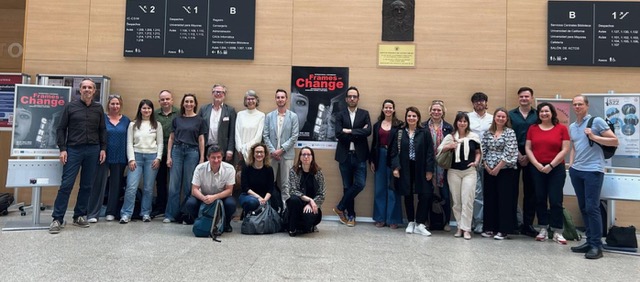
European Cinema: Crisis or Resilience? Reflections from the Frames of Change Conference
The European film industry has long been caught in a paradox. On one hand, it is often described as fragile, fragmented, and uncompetitive. On the other, it is celebrated as resilient, vibrant, and culturally rich. These seemingly contradictory narratives were at the heart of the Frames of Change conference held in Madrid on 22–23 May 2025, where scholars, policymakers and industry professionals gathered to reflect on the past thirty years of transformation in European cinema.
In her keynote, entitled Half Full: Positive Conceptions of European Cinema, Mariana Liz (University of Lisbon, Portugal) urged attendees to move beyond binary thinking and embrace the complexity of European cinema. She argued that instead of asking whether European cinema is in crisis or thriving, we should explore the nuances that define its current state. Or, as she put it: “We need to stop framing European cinema in terms of decline or success. It’s a field shaped by contradictions, and that’s precisely what makes it so rich and worth studying.”
To offer more insights into these themes, the exchanges were conducted with insightful participantsom different fields of expertise: Melis Behlil (Kadir Has University, Turkey), Christopher Meir (Universidad Carlos III de Madrid, Spain) and Marina Rossato Fernandes (Université de Liège, Belgium). Their reflections offer a multifaceted view of the challenges and opportunities facing European cinema today.
Crisis as a Constant?
Quizzed on whether European cinema is in crisis, Liz responded with a historical perspective: “There are many problems in European cinema. But I think the issue has more to do with the tense of the verb. European cinema has always been in crisis. So, I think we should start from a different premise, which is to say there have always been challenges, but we’ve always kind of made it.”
Christopher Meir echoed this sentiment, pointing out that while European arthouse cinema is often seen as declining, it continues to renew itself and play a significant role globally: “Even the weakest European industries still get 20 to 30% of their local box office. That’s valuable. And we shouldn’t forget the strength of popular cinema across Europe, even if it’s fragmented along national lines.”
What is the quintessential European film of the last 30 years? Four experts respond
What is the quintessential European film of the last 30 years?
Four experts respond
Last May in Madrid, at the Frames of Change conference (22-23 May, 2025), scholars discussed the main traits in the transformation of the European Film Industry over the last thirty years. In presentations and round tables, they reflected on regulation and policy, film production and distribution, on Europe’s film identity and its most renowned auteurs. But we also wanted to give these general reflections a more specific shape. Thus, we asked Mariana Liz, Christopher Meir, Marina Rossato Fernandes and Melis Behlil about what they consider the quintessential European film of the last thirty years. Their rich responses reflect years of research on these issues, while also allowing us a valuable glimpse into their more personal tastes and preferences. Here are their thoughts:
Goodbye Lenin
Mariana Liz
Mariana Liz’ answer instantly connected the personal with the historical on the basis of a career that has been for decades dealing with these questions: “I think about the work I did for my thesis, and this was already 15 years ago, [looking for] one film that helped me to structure the question: ‘what is the idea of Europe emerging in European cinema? The film that best embodied this was Goodbye Lenin because it was a kind of middlebrow film, not an art film, but not quite a mainstream film either. It drew in a lot of audiences, not just in Germany, and it was a relatively successful film also in other European countries, having also launched the career of a young actor with positive critical responses too.”
“In terms of topic”, Liz continued, “it was about Europe and European issues; obviously the film is about the fall of the Berlin Wall, so very much about the future of Europe. But I also think that Europe is related to this tension between the importance of politics, the importance of popular culture, and the importance of what we believe in – and the film was also a kind of make believe and about inventive narratives.”
The Worst Person in the World
Christopher Meir
Although for none of the four participants this seems to be an easy subject, for Christopher Meir this was “the question that really gave me a sleepless night”. He elaborated on that, combining again the personal with the academic: “The tempting point would be to pick your favorite film. And most recently that would be something like The Worst Person in the World, which is a great kind of continuation of humanist European art cinema.”
This first pick was rapidly balanced with a second one, that also takes into account the industrial transformation of the continent’s film industry over the past three decades: it refers to “some of the great popular films that have come out of Europe, like Intouchables or Welcome to the North, which kind of spawned not only big box office hit in France, but imitations in Italy and Spain. And so I think maybe the most emblematic for me would be Perfect Strangers, the Italian film that everyone in Europe has watched, but in their own languages. And I think that's the epitome of the European ideal of unity in diversity; that you have this story that's appealing to everyone in many European markets.”
There seems to be indeed a very European aspect to that: “We can't kind of see the forest for the trees in the sense that everyone's enjoying it in their own language, with their own stars… Depending on how you look at it, it is either sadly fragmented or a reminder of the ways of how a remake formula [may work]. It is a blueprint for how to creatively think around the fragmentary challenge of European cinema and define formulas that work for audiences and producers. We have 17 films in place of one, and this is maybe good in a lot of ways.”
Newsletter #4
01 A system built to fail its filmmakers?
By Gentiana Ramadani
The REBOOT project hosted its closing conference entitled “Screening the Scene: Rethinking European film competitiveness” in October 2025, bringing together more than 70 scholars from 19 nationalities and featuring 37 research presentations. Over two days, the event showcased the results of three years of collaborative work, during which researchers collected and analysed extensive data on the European film industry. The discussions that unfolded offered valuable insights and pointed to the profound tensions shaping the sector today.
From the outset, the conversation gravitated toward the growing disconnect between ambition and reality in European filmmaking. Speakers described contemporary pitching forums and film markets as “temples of illusions,” spaces built around the logic of capitalist exchange despite the diminishing availability of actual capital. This observation set the tone for a broader reflection on how creative aspirations are often welcomed into institutional spaces where financial foundations have quietly eroded.
The conference brought together academics, filmmakers, policymakers, and industry professionals for a critical exchange on the future of European cinema. With streaming platforms reshaping distribution, artificial intelligence transforming production workflows, and calls for diversity and inclusion becoming increasingly urgent, participants examined what competitiveness means for Europe’s cultural industries today.
The programme featured keynotes, policy discussions, and thematic panels exploring the intersections of people, technology, and institutions. Central themes included the position of European film in global markets, youth audiences and their evolving preferences, the challenges faced by those working at the fringes of the industry, the impact of streaming and AI and the legal and policy frameworks shaping Europe’s cultural sovereignty. Distinguished speakers and guests included Roland Teichmann, Director of the Austrian Film Institute (Austria) Juliette Prissard, General Delegate of Eurocinema (Belgium) Katharina Schenk, Head of Fiction, ORF Austrian Broadcasting Corporation (Austria) Rodrigo Gomez, Professor, Universidad Autónoma Metropolitana-Cuajimalpa (Mexico).
Under the leadership and moderation of Professor Katharine Sarikakis, Director of the Media Governance Lab and REBOOT Coordinator, the conference became a space for meaningful dialogue and collective reflection. It offered an opportunity for scholars and industry stakeholders to rethink how a more resilient and equitable future for European cinema might be imagined and built.

Financial incentives within the EU: The opinions of Swedish and Danish film professionals
This blog post draws on interviews conducted by Erasmus University with Swedish and Danish film professionals in the context of the REBOOT project, which aims to boost the competitiveness of the European Film industry by identifying under-tapped policy avenues. The roles of these professionals spanned producers, directors of photography, independent filmmakers, film editor consultants, rights managers, policymakers, and strategic development consultants. While the primary focus of the interviews was to understand their views on the international promotional efforts of Swedish and Danish films and the importance of co-productions therein, the conversations also revealed a noteworthy concern about the current financial incentive models for films in European countries. This blog post discusses the negative effects of financial incentive schemes as perceived by the respondents. To provide contextualisation, the original purpose of these incentives and their development within the broader European framework is briefly presented.
Introduction
Following a speech by Sweden’s Minister of Culture, Parisa Liljestrand, at the opening night of the Gothenburg Film Festival on January 24, 2025, internationally renowned director Ruben Östlund voiced his frustration with the current state of Swedish cultural policy through a video posted on his Instagram profile (Östlund, 2025). In her speech, the Minister questioned the film industry’s dependence on public funding and suggested it should aim for greater financial independence (Sweden Herald, 2025). From the set of his latest film, The Entertainment System is Down, shot in Budapest, Östlund challenged her words, criticising her understanding of cultural policy and urging politicians to “grow up and become less embarrassingly uneducated”. The director acknowledged and thanked the Swedish Film Institute and Film i Väst for supporting his films, but he also mentioned that he would have preferred to film in Sweden rather than abroad. Indeed, the decision to shoot his latest film in Hungary underscores a critical point: an increasing number of countries offers attractive tax incentives and lower production costs, making them competitive filming locations. And this, in turn, highlights Sweden’s current funding crisis, characterised by a decrease in public funding and rising competition from streaming platforms (Bolt Jørgensen, 2025). Moreover, it underscores how the country seems unable to compete with the financial advantages provided by other states.
Over the past few years, an increasing number of international productions have relocated to take advantage of attractive incentive schemes. Hungary, in particular, started to gain attraction after issuing its 2004 Film Act (Hungarian Film Act, 2004), and it established itself as a hub for international productions in 2018, when it implemented a financial incentive in the form of a 30% tax rebate for productions carried out in the country (Tóth & Papp-Váry, 2025). Factors such as: “currency stability, average price and wage levels, political environment, available film industry infrastructure, and language skills” contributed to lure international productions into the Hungarian capital (Tóth & Papp-Váry, 2025, p.84). In Europe, incentive schemes are common. Indeed, they have been increasing in the last twenty years (Kanzler, 2022). In 2000, only Luxemburg, Irland, and the UK had film production incentive schemes (Castendyk, 2018). In 2025, the only country in Europe that does not have a tax incentive scheme is Denmark but it is set to introduce one in 2026 (NordiskFilm, 2024).
The original purpose of financial incentives
A financial incentive, either in the form of a tax credit or a tax rebate, can be granted to productions that shoot most or a significant part of their filming in that country. Financial incentives, when combined with the development of human resources and related infrastructure, have been considered beneficial for the economies of the host countries (Balcerak et al., 2023). Indeed, they are devised to support the development of domestic film industries and increase the attractiveness of a country for foreign film producers (Stachoviak & Stryjakiewicz, 2018). Within the context of film productions, their relocation is facilitated by the standardised nature of the film industry, wherein core skills are uniform and transferable across borders. Moreover, incentives are considered a tool for investment promotion, as they create job opportunities, and can potentially attract film tourism and increase tourism flows (Tóth & Papp-Váry, 2025; Stachoviak & Stryjakiewicz, 2018). While measuring the direct and indirect economic effects of incentive schemes can be challenging, it can be affirmed that the appeal of tax incentives has increased international financial competition, leading to rising percentages of film production incentives (Castendyk, 2018). This global competition has led film producers to relocate their productions to where they can take advantage of the most attractive incentive scheme.

How is Spanish and European cinema perceived by US audiences?
In a series of interviews conducted by the REBOOT Project´s research team in Spain, qualified experts, professionals and renowned film critics discussed the identity of European cinema and how it is perceived by American audiences. The experts talked about the European productions distributed in the US and in a global market where large-scale films are still the ones preferred by general audiences, whether on big screens, small screens or VoD platforms.
The identity of European cinema
When addressing the issue of European cinema´s identity and how this one is received by American audiences, REBOOT´S research had shown that there was a turning point after Netflix's emergence in the global audiovisual market. According to some film critics, the creation of a Netflix production hub in Spain in 2018 can be seen as part of its intent to connect American and European audiences. In the case of Spain, the aim was to give Latin American viewers living in the United States access to Spanish film works.
As interviewees highlighted, before the emergence of Netflix, there was a minority audience who, regardless of their nationality, was generally keen on European cinema. This audience tended to be primarily interested in arthouse films from the United Kingdom, France, and Italy. Spanish cinema was seen as part of that European cinema, while popular directors like Pedro Almodóvar helped to stress its uniqueness. This situation persists today (even after Netflix has radically changed the way cinema is consumed), although only among a very specific audience: older spectators living in large urban centres who still prefer to watch films in movie theatres.
Younger audiences, who no longer consider film reviews when choosing a film but rather the recommendations of the Netflix algorithm, prefer to consume other types of films. In that sense, the film critics interviewed by the REBOOT Project point out that the top 10 most-watched productions on the platform in the United States do not usually include series or films that can be clearly identified with a European country. Most are American productions or European works that have been stripped of any sign of national identity. This is the case of the successful Spanish series Money Heist ("La Casa de Papel"), which is considered an international production and not primarily Spanish, although the actors, director, and production team are entirely Spanish.
European films consumed both on digital platforms and in American movie theatres are chosen much more consciously by audiences especially interested in this kind of (usually smaller) productions.
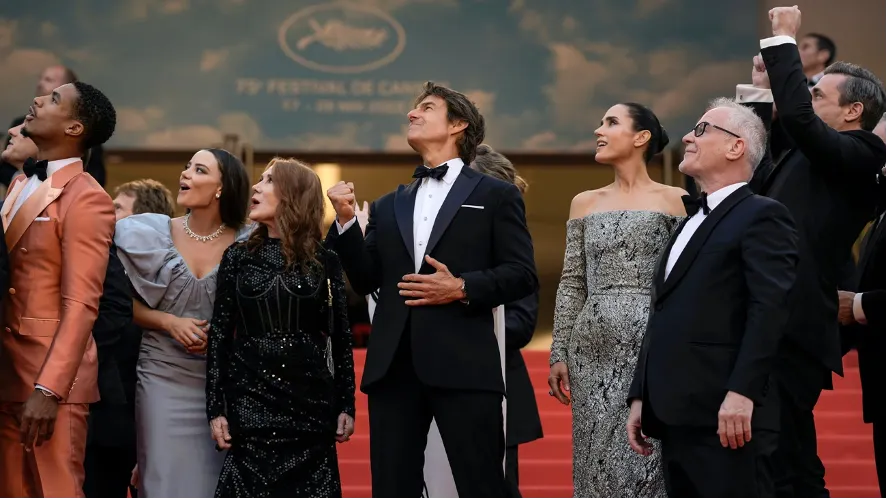
“¡Americanos, os recibimos con alegría!”: La internacionalización del cine europeo a través del Festival de Cannes
Aunque apuntar el estado de “crisis constante” del cine europeo se haya convertido en un lugar común, es cierto que en los últimos años se le acumulan síntomas de una profunda transformación. En especial desde la crisis del Covid-19 la industria cinematográfica europea se ha enfrentado a la competencia con las plataformas digitales, la disminución de la asistencia a salas de cine o la cada vez más compleja relación que se establece con sus públicos (tanto continentales como internacionales). En este contexto, una de las tendencias determinantes del cine europeo contemporáneo pasa por su creciente interdependencia – industrial y cultural – con Hollywood. Aunque esto queda reflejado en el gran número de películas coproducidas por países europeos y Estados Unidos, una de las mejores formas de observar este fenómeno es a través del Festival de Cannes.
El Festival de Cannes, quizá el más importante del mundo, y el más tradicionalmente europeo (lleva décadas siendo uno de los agentes definitorios de la identidad cinematográfica continental), ha aumentado durante los últimos años su interés por acercar el cine europeo a Hollywood, y viceversa. Se trata de un festival que ha admirado siempre a los autores norteamericanos, y ejemplo de ello son Palmas de Oro tan emblemáticas como Apocalypse Now de Coppola en 1979, Wild at Heart de Lynch en 1990 o Pulp Fiction de Tarantino en 1994. Sin embargo, su aproximación internacional a Estados Unidos se ve, hoy en día, de forma mucho más evidente a través de diversos factores.
Por un lado, se puede observar la presencia del país norteamericano en el festival a través de las películas escogidas para la competencia oficial en cada año. En la edición de 2025, por ejemplo, casi el 30 % de la sección oficial está formada por películas producidas o coproducidas por Estados Unidos, siendo la mayoría films dirigidos por cineastas norteamericanos: Kelly Reichardt, Richard Linklater, Wes Anderson (que ha estrenado sus tres últimas películas en Cannes), Ari Aster… Esta tendencia se puede extrapolar a años anteriores, en los que se ha visto la presencia de Francis Ford Coppola, Paul Schrader, Todd Haynes, o Sean Baker, que entró en competencia oficial con Red Rocket en 2021 y ganó la Palma de Oro con Anora en 2024.
Newsletter: The Governance of Competitiveness in the European Film Industry
Note: This is a preview of the newsletter, please download the pdf file if you wish to read the full version
We are delighted to share with you the first newsletter. It contains highlights of our consortium's activities since the launch of the project.
In this edition, we update you on REBOOT’s progress and achievements, while offering a preview of upcoming milestones. Since its launch in February 2023, the REBOOT project has been making significant strides in advancing the European film industry's competitiveness and cultural value. The project's initial year emphasized intensive data collection and analysis, laying a robust foundation for its ongoing work to understand and improve competitiveness in the European audiovisual sector.
Building on this foundation, REBOOT has been conducting in-depth empirical data collections to further enrich the insights into the European film industry’s dynamics. A focal point of these investigations has been the European Union’s approach to defining and promoting 'competitiveness' in the audiovisual and film sectors.
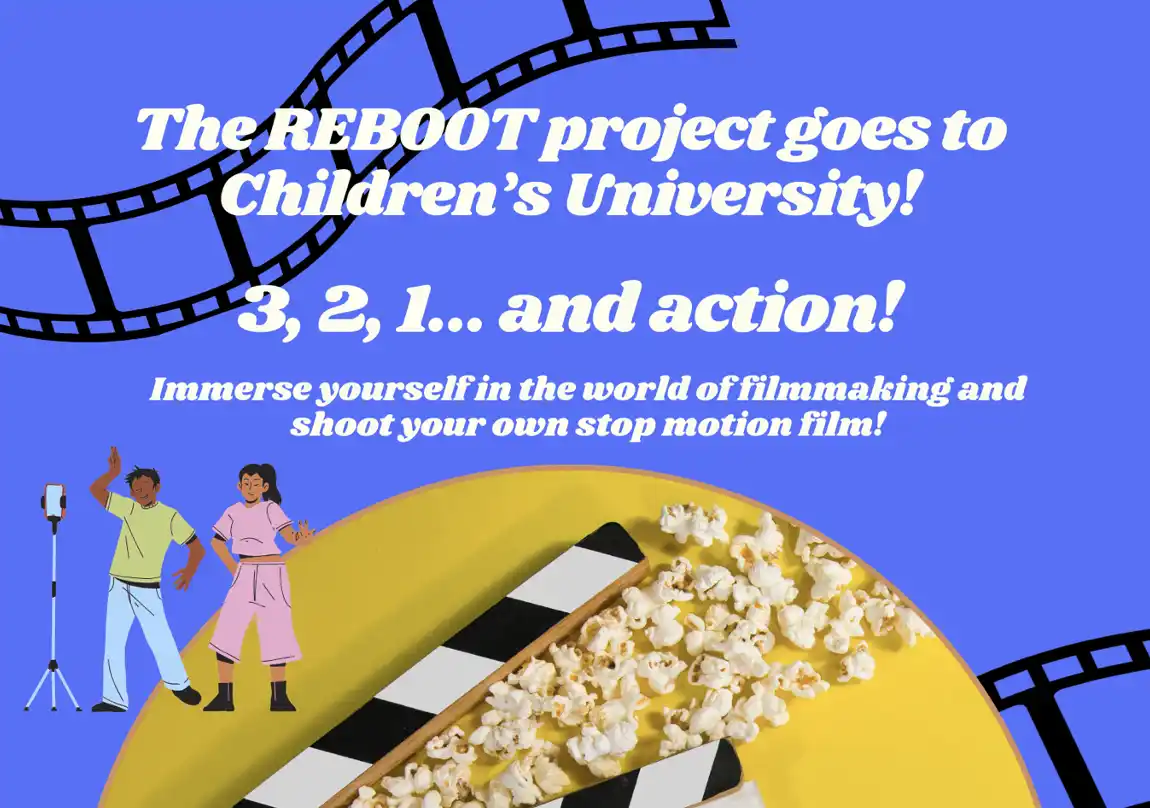
Reboot @ KinderUni: Inspiring the next generation of filmmakers
The mission to empower the next generation of filmmakers constituted the leitmotif of the REBOOT project team’s workshop at Vienna's Children's University (Kinder Uni) on July 12, 2024. Targeted at children aged 10 to 12, the initiative formed part of REBOOT’s broader mission to inspire young minds and foster creativity through hands-on learning. The workshop aimed to introduce participants to the art and science of filmmaking, sparking curiosity and potentially igniting future career aspirations in the film industry. It equally sought to educate them about the tools and processes involved, and provide insights into various professions within the industry. Through this hands-on approach, the REBOOT team aimed to empower the next generation of filmmakers and storytellers.
Structured into two main phases, the session began with an introductory session led by two film professionals, who guided the children through the essential steps of filmmaking. From pre-production (planning and storyboarding) to post-production (editing and final touches). This phase sparked curiosity and prepared participants for the creative tasks ahead. The children were then divided into three groups, each supervised by a film professional and a researcher, to create their stop-motion films. Using “Legos” to build sets and characters, the young filmmakers explored diverse genres, ranging from horror to suspense and thriller, while maintaining creative control under expert guidance. This hands-on experience allowed them to apply their newfound knowledge and express their unique creative visions.
The workshop culminated in the creation of three unique stop-motion films, each with compelling storylines. These films showcased the children’s creativity, teamwork, and newfound filmmaking skills. Below are the storylines of the short films, which are available for viewers to enjoy:
Educational Plan: Introduction to Filmmaking
The REBOOT project team held a workshop for children aged 10 to 12 in Vienna at the Children’s University on July 12, 2024 with the title “3,2,1…and action!” to introduce children to filmmaking. In the website of REBOOT you can find information about the workshop as well as children’s productions. In this text we present the educational plan and material we used to conduct the workshop. The visualisation od the educational plan can be found in Annex 1. The material is available to be used from other educators to introduce and inspire children about the filmmaking. The workshop was carried out with the support of two film professionals, Zogo Yves Saint Claire and Permana Clarabelle Jesslyne who not only helped us organise and prepare the material for the workshop, but also had a leading role to conduct the workshop and guided the children step by step through the filmmaking process. The whole project was under the supervision of Univ.-Prof. Dr. Katharine Sarikakis.

Newsletter: The Governance of Competitiveness in the European Film Industry
Note: This is a preview of the newsletter, please download the pdf file if you wish to read the full version
We are delighted to share with you the first newsletter. It contains highlights of our consortium's activities since the launch of the project.
In this edition, we update you on REBOOT’s progress and achievements, while offering a preview of upcoming milestones. Since its launch in February 2023, the REBOOT project has been making significant strides in advancing the European film industry's competitiveness and cultural value. The project's initial year emphasized intensive data collection and analysis, laying a robust foundation for its ongoing work to understand and improve competitiveness in the European audiovisual sector.
Building on this foundation, REBOOT has been conducting in-depth empirical data collections to further enrich the insights into the European film industry’s dynamics. A focal point of these investigations has been the European Union’s approach to defining and promoting 'competitiveness' in the audiovisual and film sectors.
Children’s University Workshop “3, 2, 1…and action!”
In recent years, academic interest has focused on informal settings such as workshops, extracurricular activities, and projects on children and filmmaking that inspire and encourage learning and creativity. Studies have found that engaging children in video and film production boosts their creativity and improves their understanding of complex concepts. For instance, Leung et al. (2020) found that in the video workshop they organised, children can experiment with professional equipment from a young age and use “epistemic play” to explore and understand new ideas. Similarly, Drotner (2020) highlighted the benefits of filmmaking outside school for children ages 6 to 16, underscoring the importance of collaboration, praxis-oriented learning and semiotic dialogue in the filmmaking process. Furthermore, during the Play Observatory project they organised, Cannon et al. (2024) showed how informal media creation, such as filmmaking and animation, increased children’s creativity and media literacy, and became an important post-pandemic educational component. These studies emphasise the value of educational filmmaking activities to empower children to express themselves and develop their skills. Aligned with the studies, the REBOOT project team held a workshop for children aged 10 to 12 in Vienna at the Children’s University on July 12, 2024 with the title “3,2,1…and action!” . The Children’s University has been offering research experiences for children since 2020. Children can explore topics that interest them from a variety of over 400 contributions designed by scientists from several universities. Our workshop focused on filmmaking was aiming to:
The workshop began with an introductory game where the children shared their names and favourite films. By passing the ball to each other, the children felt more comfortable and connected as they discovered common interests. The next activity involved matching different professional tasks with the corresponding filmmaking professionals and categorising them into preproduction, production, and postproduction phases. All children were involved in assigning the jobs to the professionals and showed great interest in the classification into the production stages. The children were surprised by the variety of occupational groups and very motivated to present their own profession. This activity was very interactive as everyone was careful to match their card to another participant’s card. The activity had an important informative and educational aspect. For example, one girl was confused but also surprised when she matched the job of film producer to the production phase and after the discussion realised that this is actually part of the pre-production phase. Following this, the invited professionals introduced the eight steps of filmmaking and provided two additional short training sessions on camera angles and lighting, where children could see in real life the interaction and combination of cameras and lights. Children were very interested asking questions and giving examples from their own video projects.

Teaching Through Inquiry: REBOOT’s effort to educate against and beyond boundaries
The unity of teaching and research has long been a defining principle of higher education, yet its implementation often falls short in today’s increasingly corporatized and precarised state of academia. Rooted in Wilhelm von Humboldt’s vision of the modern university, this principle was never just about maximising research output but about academia as a holistic and humanistic endeavor. More than a century later, bell hooks’ concept of “engaged pedagogy” expanded on this ideal, arguing that education should be an act of freedom, where students and teachers co-create knowledge through critical dialogue.
The REBOOT Project’s main objective is to explore European film industry competitiveness through research. With the resources allocated towards this significant research, there is space opened to create synergies in the classroom: integrating research into teaching can transform students from passive recipients into active participants, ensuring that education remains not just a means to an end, but a process of intellectual and personal growth.
Wilhelm von Humboldt (1767-1835) was a German aristocrat, linguist and education politician. On his initiative, Friedrich Wilhelm III. founded the Universität zu Berlin (today’s Humboldt-Universität) in 1809. Humboldt’s ideas of the modern university informed the reformation of universities as institutions. Instead of giving practical training to doctors and clerics or mannerly education to aristocratic elites, the university developed into a place of scholarly inquiry. Humboldt aspired to combine autonomy – both of the institution and the students – holistic studies of the arts and sciences in connection with the respective field of study and most infamously: the unity of research and teaching. The seemingly less popular part of the Humboldtian university model is that the “modern research university was originally designed to serve humanistic rather than scientific goals“ .To be cynical, central were not grants or maximum publication output but the utilization of academic research for a bigger, educational cause. It goes without saying that, with Humboldt being a man of his time, the “modern” university at the time was only accessible to men, adhering to bourgeois ideals of women’s space being the private.
Undoubtedly a more comprehensive approach to modern education was provided by bell hooks in her 1994 series of narrative essays Teaching to Transgress: Education as the Practice of Freedom .Influenced by her experience as a student in both racially segregated and so- called integrated schools, and later as a student and teacher at universities such as Stanford and Yale, hooks dissects the state of the U.S.education system and the difficulties arising in pedagogy and culture if problems of class, gender or race are not brought to the conscious of teaching staff.
Building on Paulo Freire’s critical pedagogy, hooks is suggesting an “engaged pedagogy”. In today’s corporatised education system, it may seem dramatic to say that engaged pedagogy is – like a lot of hooks’ work – rooted in love, it is true, nonetheless.With decentering “students” and “teachers” and relating to them as human beings with human experience rather than their roles in the classroom, hooks undoubtedly revolutionised the discourse on what it means to educate children of different backgrounds.
Seeing children(link to Kinderuni blogpost) and young adults as the leaders of the future, be it as producers, directors or cultural policy makers, has been engrained in REBOOT’s mission from the beginning.It is only consequential to see academic students as the leading scholars of tomorrow. There is no need to sugarcoat it: Courses on methodology, epistemology and even practical research are not areas of academic education students, especially on the undergraduate level, usually are interested in.Or to put it differently: They are not areas a lot of teachers tend to interest their students in.

Co-production is the future! Interview with Otwin Biernat* A Journey Through Film and Storytelling
In this interview, we sit down with Otwin Biernat, an accomplished film director with a diverse career. From his early days studying drama in Vienna, where he later pursued a career as an actor, to transitioning into filmmaking in Berlin, Otwin has made a significant mark in the film industry. His career began with music videos and short films, including the Berlin Film Festival-featured Codewort Mr. Bean in 2011. In this interview, he shares insights on the challenges and opportunities within the industry, discussing everything from the evolution of filmmaking to the importance of social justice, gender (in)equality, and representation in cinema.
Takeaways from this conversation include the belief that co-productions should be considered the future of European cinema. Otwin believes that co-productions not only offer financial advantages, such as tax credits, but also serve as cultural exchanges, enriching films with diverse perspectives. Another key pillar is the importance of adapting funding models. The current funding landscape in Austria, and Europe more broadly, is facing challenges. Traditional institutional funding often favours certain genres or storytelling styles, which can limit creative freedom. Additionally, Otwin addresses navigating industry inequality, emphasizing that the industry is heavily influenced by connections and networks, which can create inequalities for young filmmakers without the right resources or background. He stresses that while talent is essential, connections and luck also play a significant role in career progression. This leads to the final pillar, the role of passion and merit in filmmaking. Despite the challenges posed by industry competition and structural inequalities, Otwin believes that the key to success is staying true to one’s vision.

What is the economic impact of the European Film Industry (EFI) at local level?
The European Film Industry (EFI) is more than just an artistic enterprise —it’s also a key player in local economies, creating connections with other industries and driving growth in unexpected ways. A recent study, part of the REBOOT project, dives into how the film sector contributes to local and regional economies beyond its direct impact, shedding light on its hidden influence. The analysis of the economic impact distinguishes between direct and indirect economic effects. While the analysis of the direct economic effect uses traditional variables, such as the contribution of the EFI to EU countries employment, added value, and net returns. The analysis of the indirect economic impact of EFI is carried out applying the concept of economic embeddedness, which measures the degree to which the industry is integrated into local economies.
What Does “Economic Embeddedness” Mean?
The concept of embeddedness addresses how deeply connected the film industry is to its surrounding economy. For example, a film production that hires local workers, uses local suppliers, and collaborates with nearby businesses has a high level of embeddedness. This means the economic benefits stay within the community, supporting local jobs and creating a ripple effect in other industries. The concept of sectoral embeddedness has been extensively used in economics to study regional resilience (Kitsos et al., 2019), the relation between Multinational Corporations’ embeddedness and regional well-being (Pilo, 2023), and innovation (Breschi & Lissoni, 2007). The data used to measure the EFI embeddedness in Europe are retrieved from the EUROSTAT's FIGARO input-output tables, which provide insights into the flow of goods and services between economic sectors at the European level.
We calculate embeddedness as the ratio of domestic intermediate flows within the sector to the total (domestic plus international) flows. Higher values indicate stronger local integration, which can act as a buffer against global economic shocks.
The analysis also regionalizes embeddedness using employment as a weighting factor. This allows the study to highlight regional nuances in the industry’s integration across Europe’s NUTS2 regions.
We perform a comparative analysis with the European CCI embeddedness and some other relevant non-EU countries, to better highlight the EFI embeddedness characteristics (e.g. United Kingdom, United States, Japan, and Korea).
Key Findings About EFI’s Local Impact
1. National-Level Insights
The study reveals substantial heterogeneity in EFI embeddedness among European countries. Spain and Italy emerge as leaders, with embeddedness values exceeding 0.5, signaling strong local integration. In contrast, countries like the Netherlands and Cyprus exhibit significantly lower embeddedness (<0.3), indicating a heavier reliance on international supply chains (see Figure 1 above). Interestingly, competitor countries such as Japan demonstrate even higher embeddedness levels (0.65), suggesting opportunities for Europe to enhance its local linkages.
2. Temporal Trends
Between 2016 and 2019, embeddedness levels showed dynamic changes. For instance, Ireland experienced a notable increase (+0.11), reflecting improved local integration, while Luxembourg saw a decline of the same magnitude. These shifts underline the evolving nature of EFI’s economic ties and its sensitivity to policy and market changes (see also Figure 2 below).
Figure 2 – Map of EFI Embeddedness at country level
Cinema and social media in the digital age: upholding the right to sociality for children. Insights from Focus Groups.
Play and sociability are children’s fundamental rights such as health, private life, and family, and education. Each State has thus the duty to guarantee through appropriate legislative initiatives safe environments and appropriate conditions to realize one’s personal attitudes and interests. The first international document recognising the importance of play and sociability is the UN Convention on the Rights of the Child. In Article 31, it enshrines the right of children and adolescents to engage in play and recreational activities appropriate to their age. It commits States Parties to ensure their participation in cultural and artistic life in accordance with the principle of equality. Article 31 should be interpreted in light of the entire Convention, which identifies four principles as essential for the healthy growth and optimal development of children and young people: the right to non-discrimination (Article 2), respect for the child's best interests (Article 3), the right to life, survival, and proper development (Article 6), and the right to be heard (Article 12). These principles find significant practical application in the creative industries, especially in performing arts, like cinema. In this context, the performing arts contribute significantly to building inclusive and cohesive societies. This contribution is not only a strategic priority but also essential for promoting EU values and, in turn, supporting the well-being of children—both in their present lives and as they grow into adulthood.
Today, the economic value created by creative industries, such as the film industry, and their growth potential in comparison to other sectors of the economy, is becoming more evident. To become true promoters of sustainable and inclusive local development, these industries must be able to express a creative environment that fosters responsible competitiveness while also including and valuing minors' needs and rights. Cinema, in particular, should be designed as a space where young people can actively engage with culture and express themselves. By providing opportunities for participation, storytelling, and representation, cinema can contribute to their personal development, enhance their well-being, and reinforce their social and cultural rights, ensuring they are acknowledged not only as future citizens but also as active members of society today. The analysis undertaken within Reboot’s WP5 combines a theoretical and normative framework with the findings of empirical research to understand how new generations experience cinematic narratives in the digital age. The ongoing empirical study, which collected the experiences and impressions of 60 young people aged 12 to 24 living in Pisa, Italy, demonstrated how cinema is not only a tool for entertainment, but also a powerful means of cultural and social growth. According to preliminary findings, young people who participated to our focus groups view cinema as a space for inclusion and reflection, capable of raising awareness about critical issues, encouraging shared responsibility, and increasing participation in their community's social dynamics.
The focus group discussions explored participants' film preferences, shedding light on their perceptions and expectations regarding cinematic content. For instance, films such as The Intouchables (in French Intouchables), and Inside Out were mentioned by the participants as examples of narratives that offer safe spaces to explore emotions, diversity, and relationships, contributing to the development of self-esteem, imagination, and social skills.
In addition, the desire to explore distant cultures and worlds emerged as a recurring reason for watching films. For several participants, cinema represents a way to “travel without moving”, offering the opportunity to learn about different realities and traditions. Through narrative journeys, cinema not only entertains but becomes a powerful educational tool that encourages self-exploration and openness to new cultures and realities. Much like play and social interaction, it promotes paths of self-determination and reflection, building symbolic bridges between places, cultures, and generations. The discussions also highlighted the pivotal role that social media plays in how new generations consume and reinterpret audiovisual content. Social media platforms have expanded the possibilities for discovering and sharing creative and artistic performances, enabling young people to creatively engage with film narratives. However, the widespread use of these platforms also presents significant challenges, influencing the growth process, including tastes and attitudes, affecting the overall well-being of minors.
Digital inclusion and access to the web are vital tools for reducing inequalities and ensuring the exercise of rights such as play and sociability, as the physical, geographical, and socio-economic barriers can be easily overcome. The insights gathered through the focus groups demonstrate that young people use social platforms not only for entertainment, but also to discover, evaluate, and reinterpret film content in creative ways as well as to discuss plots and characters, and sharing experiences and ideas. These online spaces become arenas for self-expression and experimentation, where young people can express their opinions, by creating short reviews, personal reinterpretations, and edited clips (“short cuts”). That is an unprecedent opportunity to recognise children’s perspectives as users and consumers of the given creative industry.


Nuevas políticas, nuevos nombres, nuevas miradas: directoras mujeres en el cine español de la última década
En la última década el incremento de directoras mujeres en el panorama cinematográfico español ha sido notable. Quizá una de las mejores formas de verlo a través de datos objetivos es deteniéndose en la categoría de “mejor dirección novel” de los Premios Goya: entre 2017 y 2023 todas las ganadoras han sido mujeres. Pero su relevancia no se queda simplemente en el triunfo de sus óperas primas, muchas de ellas son realizadoras cuyas obras destacan entre los estrenos españoles de los últimos años, ya sea por su recepción crítica o por su presencia continua durante la etapa de premios anuales. Nombres como Carla Simón o Pilar Palomero son fundamentales a la hora de aproximarse al cine nacional reciente, sus cambios y tendencias.
Algunos cambios en las políticas públicas de apoyo al cine español han sido cruciales en esta transformación: en los últimos años, se ha puesto mayor atención e interés por financiar proyectos de realizadoras mujeres y jóvenes a las que, de otra forma, les era difícil producir sus proyectos. El ICAA (Instituto de la Cinematografía y de las Artes Audiovisuales), con ayuda de asociaciones como CIMA (Asociación de Mujeres Cineastas y de Medios Audiovisuales), han llevado a cabo importantes modificaciones en la Ley del Cine de 2007 durante los últimos años. El cambio fundamental se produce en el Real Decreto de 2015, que instaura el concepto de “obras audiovisuales difíciles” y establece normas específicas de financiación para los proyectos que encajaran dentro de esa misma categoría: cortometrajes, obras de nuevos realizadores, producciones en lenguas cooficiales... Sin embargo, la modificación de ley más relevante sucede en 2020, cuando, entre muchos otros cambios, se incluye la financiación pública de hasta el 75% del coste a obras “realizadas exclusivamente por directoras”.
Por ello, son precisamente esas cuestiones legislativas las que han permitido un cambio destacable en la filmografía nacional de la última década a todos los niveles. En primer lugar, la modificación de ley de 2015 fue la que permitió una nueva aparición de talento novel entre los realizadores españoles y el incremento de películas rodadas en lenguas cooficiales. Esto se puede ver reflejado en diferentes ediciones de los Premios Goya, con obras como Estiu 1993 de Carla Simón, rodada en catalán, y reconocida como uno de los mejores debuts de los últimos años, Handía de Aitor Arregui y Jon Garaño, rodada en euskera, o O que arde de Oliver Laxe, rodada en gallego. Todas ellas ganaron varios galardones en sus respectivas ediciones. La ley de 2020, por su parte, ampliaba el alcance de las ayudas, apoyando, por ejemplo, el género documental y permitiendo el aumento de trabajos realizados por mujeres. Todo ello demuestra la suma importancia que las políticas tienen a la hora de permitir o no el desarrollo de un cine determinado en países como España, en el que la industria cinematográfica depende, en gran parte, de la financiación pública y las ayudas. Se trata, por tanto, de una renovación del panorama audiovisual nacional que ha permitido tanto el surgimiento de nuevas voces y aproximaciones creativas como un posicionamiento internacional del cine español ciertamente novedoso.
A partir de 2020 el aumento de obras dirigidas por mujeres es radicalmente significativo: Las niñas (2020) de Pilar Palomero, Libertad (2021) de Clara Roquet, El Agua (2022) de Elena López Riera, Cinco Lobitos (2022) de Alauda Ruiz de Azúa, Creatura (2023) de Elena Martín Gimeno, 20.000 especies de abejas (2023) de Estíbaliz Urresola Solaguren... Estos films resultan sumamente significativos ya que responden a muchas de las categorías recogidas dentro del concepto ya mencionado de “obras audiovisuales difíciles”: están dirigidos por mujeres, son óperas primas, algunos están rodados en lenguas cooficiales… Lo más relevante, sin embargo, son las características puramente cinematográficas (temáticas, visuales…) de gran parte de todas las películas mencionadas. Hay, en muchas de ellas, una voluntad de acercamiento continuo a lo íntimo y personal, a las experiencias tanto individuales como colectivas de sectores marginados o de mujeres que descubren o desarrollan sus identidades en diferentes etapas vitales. Ejemplo de ello es la problemática de la maternidad, ya sea adolescente (La Maternal de Pilar Palomero), o adulta (Cinco Lobitos), la sexualidad femenina (Creatura), o las identidades queer (Carmen y Lola de Arantxa Etchevarría o 20.000 especies de abejas).

From Queer Tragedies to Joy: Expanding the Representation and Queer Gaze in European Cinema
In this essay, I discuss queer representation in European film, taking advantage of preliminary observations made while transcribing young people’s interviews from the Finnish REBOOT data. I noticed that the theme of representation came up in several interviews. The young people considered the representation of minorities important and wished for their more authentic representation in films. The interviewees wanted to see the depiction of minorities that originates from the narrative, not from the need to meet inclusivity requirements.
In the last few years, I have watched many European films featuring queer women, such as Arantxa Echevarría’s Carmen & Lola (Carmen y Lola, Spain 2018), Inari Niemi’s Light Light Light (Valoa valoa valoa, Finland 2023), and one of my favourites – Céline Sciamma’s Portrait of a Lady on Fire (Portrait de la jeune fille en feu, France 2019). In the last film, the story set in France in the late 18th century depicts a relationship between a young woman, Héloïse, and a painter, Marianne, commissioned to paint her wedding portrait. All films mentioned have the kind of representation the interviewees wished for: characters who are authentic, multidimensional, even messy.
However, these films have the same, predictable ending. For example, Portrait of a Lady on Fire is a heart-wrenching tragedy, which also makes it touching and memorable. But I cannot unsee how typical of an ending it is for a queer relationship portrayed in film: one of the characters dies or submits to heterosexual marriage, or their family is not accepting. Queer tragedies are so common that I find myself checking the ending beforehand and making lists of feel-good movies in a desperate attempt to avoid them. Because representation can be thought of as a phenomenon that constructs and produces reality (Rossi 2015, 80), it is natural to ask what kind of reality this type of queer representation creates.
In a way, the tragedies feel justified. Queer history – and still for many, also the presence – is a story full of tragedies, and these experiences should not be forgotten. Sara Ahmed (2010, 105–106) writes about the importance of embracing the unhappy queer: because the world doesn’t accept us, we must stay unhappy with this world so that the realities of discrimination, non-recognition, and violence are not concealed. While the representation of unhappy queers shouldn’t be overlooked, I suggest expanding the imagery.
Representations have the power to normalise or mythologise queerness (Rossi 2015, 83), and the persistent tragedies establish happiness as an unattainable myth for queers. Therefore, the representation of queer joy is vital in order to normalise queerness. I understand that queer happiness is a privilege and not accessible for all. With that in mind, it is part of the authentic representation that the interviewees wished for and significant not only for this reason, but also because it has the potential to act as a political force to clear the way for others. As Tyler Quick (2020, 33) shows, queer representation in film has resulted in greater self-awareness and community identity. Films with glimpses of queer happiness offer representation with the power to shape reality – both in the lives of individuals and at a societal level. Similarly, the persistent representation of tragic endings to queer lives deviates us from that hope and potentiality.
Defining Arthouse: The Reception of European Cinema among the Istanbul Arthouse Audiences
Since the early 2000s, Turkey has experienced remarkable growth in its audiovisual industry, with the success of local films dominating the box office charts, Turkish TV series winning global syndication and a notable presence at international film festivals. However, despite this overall success and visibility in the industry, Turkey's position in film circles remains a complex issue to this day. Turkey's historical and cultural components, as well as its geopolitical position between Europe and Asia, make it difficult for the country to position itself. The collaborative nature of filmmaking leads to cross-cultural exchanges between Turkish and European filmmakers. Co-productions and collaborations cross national borders by fostering a cinematic environment that embraces different perspectives. In this blog post, based on a study I conducted on Kadıköy Cinema, an arthouse movie theater in Istanbul, I would like to share some findings on how Turkish audiences perceive and relate to European cinema, and the place of cinema in audiences' cinematic practices. sector.
The results shared here are a part of a bigger study on the only remaining commercial arthouse movie theatre of Istanbul/Turkey “Kadıköy Cinema”, which was conducted between September 2022 and January 2023, engaged 237 participants through an online survey comprising 42 multiple-choice questions and in-depth interviews with 17 participants. While the primary focus was on the audiences’ own narratives, the study tried to understand diverse dimensions of the audiences’ cinematic experiences, ranging from their movie- watching and cinema-going practices before and during the COVID-19 pandemic to their affiliations with film festivals and specific theaters while exploring the intersection of the relationship between the urban landscape and arthouse cinema scene in Istanbul. In the in- depth interviews, I found that the European cinema occupies a very important position for the Turkish arthouse audiences.
For the participants of this study, there is a prominent distinction between arthouse movies and mainstream movies and arthouse cinema has a close relationship with European cinema. One of the major findings in the study was about the audiences’ relationship with festivals. Festivals are the primary channels through which the audiences follow arthouse films, getting to know new directors and following the news from the industry. In the interviews, it was noticeable that some of the participants based a large part of their film- watching on films that were only shown at festivals and on films by directors who participated in festivals. Moreover, I observed that “prestige” has an important place in the audiences’ film preferences, and the audience considers some festivals more important and prestigious than others, and therefore forms their film preferences accordingly: “But not every festival, of course. I mean, there are such prestigious ones in Europe” (Female, 33 years old), “...I started to follow more current arthouse films. Cannes, Venice Film Festival, etc. I am curious about the films I hear about at these events” (Male, 28 years old), “I go through films that have made a splash at big festivals, or I go through certain directors who have made a splash at big festivals in the previous periods and whom I know. I usually discover them at a festival, a festival gives visibility to films after all. I can roughly say I follow four big European festivals: Cannes, Berlin, Venice, and San Sebastian” (Male, 34 years old). One noteworthy aspect here is that the audience generally included only European cinema and European festivals in the definition of arthouse cinema. Among the 2 festivals named throughout the interviews, only one non-European festival was ever mentioned (Sundance).
Newsletter: The Governance of Competitiveness in the European Film Industry
Note: This is a preview of the newsletter, please download the pdf file if you wish to read the full version
We are delighted to share with you the first newsletter. It contains highlights of our consortium's activities since the launch of the project.
In this edition, we update you on REBOOT’s progress and achievements, while offering a preview of upcoming milestones. Since its launch in February 2023, the REBOOT project has been making significant strides in advancing the European film industry's competitiveness and cultural value. The project's initial year emphasized intensive data collection and analysis, laying a robust foundation for its ongoing work to understand and improve competitiveness in the European audiovisual sector.
Building on this foundation, REBOOT has been conducting in-depth empirical data collections to further enrich the insights into the European film industry’s dynamics. A focal point of these investigations has been the European Union’s approach to defining and promoting 'competitiveness' in the audiovisual and film sectors.
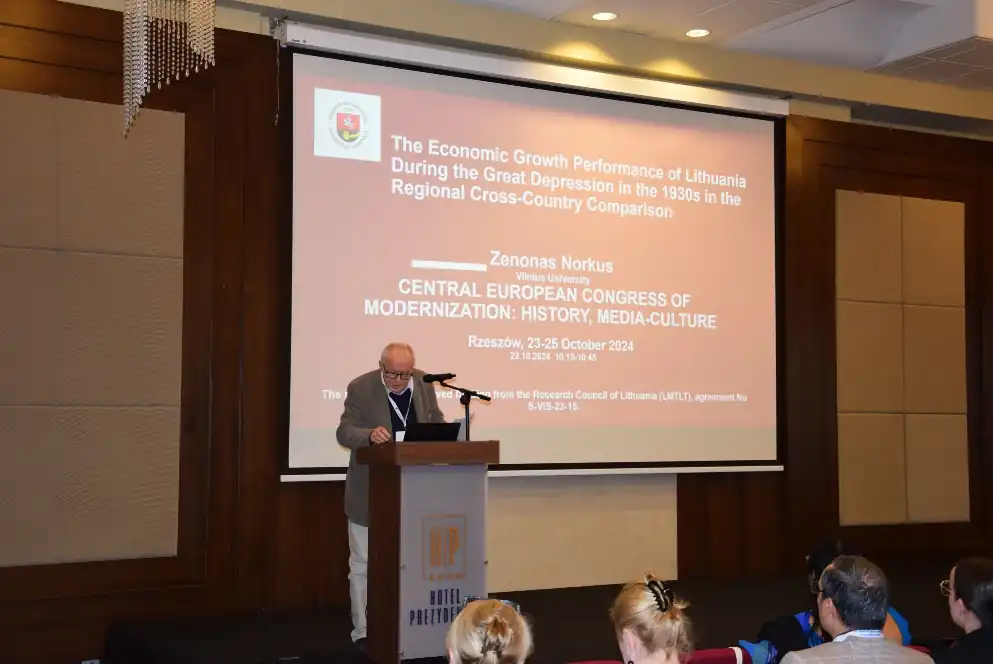
Central European Congress of Modernization in Poland seeks an understanding of the role of cinema as modernization cultural phenomenon
Alicja Waszkiewicz Raviv (University of Warsaw) represented Reboot during the Central European Congress of Modernization, aiming to look at historical modernisation processes in Central and Eastern Europe from an interdisciplinary standpoint. The Congress took place in Rzeszów (in the south of Poland, close to the Ukrainian border). The event brought together academic circles from Central and Eastern European nations and global representatives (e.g. from India and South Africa) who study economics, social history, social communication and media studies, philosophy and pedagogy.
In order to attain greater levels of economic, and political development, the notion of modernization essentially refers to the pursuit of change and the shift from conventional and antiquated ways of living to more contemporary and effective ones. Modernisation research also focuses on social and cultural issues, such as changes in social structure, the development of mass media culture or urbanization processes. In the context of "Younger Europe," attention can be paid to the specific challenges faced by particular countries in the processes, such as catching up with economic development, fighting corruption, building democracy, and preserving cultural and linguistic identity in the age of globalization. Depending on each nation's culture, history, and political climate, modernization has had different implications for Western, Central, and Eastern European countries and their cultural perspectives. Media, especially the audio-visual industry, are essential in transmitting ideological content and telling the story of progress and pitfalls of discussed changes.
Having distinct histories and cultures, Poland, Romania, Hungary, the Czech Republic, and Slovakia all underwent separate modernization processes, each with unique traits. For instance, Poland, a nation that experienced communist rule and partition, had to deal with issues relating to the economic policies and development discontinuities imposed by communist regimes. Conversely, after the Soviet era, Hungary had challenges but swiftly bounced back to become one of the region's fastest-growing nations. The nation's breakup and the establishment of two independent republics presented unique difficulties for the Czech Republic and Slovakia, which were a part of Czechoslovakia until 1993.
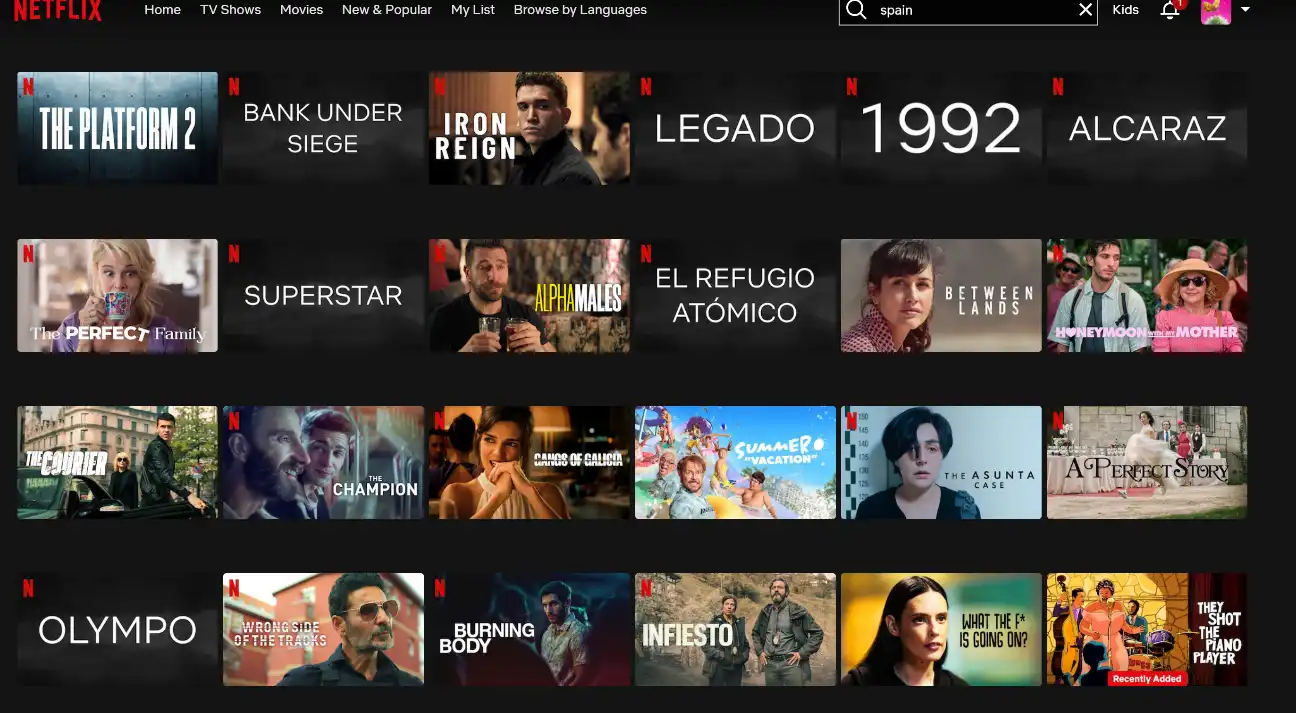
European cinema in US VOD platforms? A summer experience
Taking advantage of a stay and two weeks of vacation in several US cities, on both coasts, I have taken a look at the availability of European cinema in the catalogs of the platforms in North American territory. This is not a scientific sample as it is limited. We checked the availability of the most watched movies in Europe in 2023, by tracking the VOD services that offered them. The results are not very encouraging for there is little presence of the European film titles in the US catalogues. Only the Best International Feature Film nominees at the Oscars were visible for the US audience. In light of this situation, it may be said that there is still a lot to be achieved in order to bring the European works to the US and make them more widely available. The sample of this exploratory study consisted of the 20 most watched films in Europe, according to the European Audiovisual Observatory (EAO) . The factors analyzed were the selling price and the purchase/rental options. The study ends with some conclusions for further consideration.

Das „Celluloid Ceiling“ der Österreichischen Filmbranche: Der Weg von Regisseurinnen an die Spitze der österreichischen Filmbranche.
„Momentan sieht es so aus, dass die Zukunft des österreichischen Films jung und weiblich ist.“
(Roland Teichmann, Direktor des Österreichischen Filminstituts, 2004)
Mit dieser Aussage begann Roland Teichmann, der Direktor des Österreichischen Filminstituts, 2004 seine mittlerweile 20 Jahre lange Karriere an der Spitze des Österreichischen Filminstituts. Doch bislang scheint diese Vorhersage unerfüllt zu bleiben. Zwar zeigt der erst kürzlich veröffentlichte Film Gender Report , dass insbesondere im Bereich der Regie, langsam aber sicher mehr Frauen zu finden sind, andererseits bleiben auch in Österreich Debatten über Machtmissbrauch und patriarchale Strukturen nicht aus. Vereine, wie der „FC Gloria“ informieren über #MeToo-Debatten und schaffen einen Raum für Austausch, für Frauen in der Filmbranche. Doch noch immer ist der Weg für weibliche Filmschaffende in Österreich kein leichter. Der Film Gender Report bietet einen guten Überblick über die aktuelle Situation von Frauen in der Branche und zeigt, dass diese noch immer mit kleineren Budgets arbeiten müssen und in den meisten Departements unterrepräsentiert sind. Und das obwohl der weibliche Nachwuchs an den Filmakademien und Universitäten vorhanden ist. Es scheint also Hürden zu geben, die durch Zahlen und Fakten allein nicht erklärt werden können. Ergebnisse im Nachbarland Deutschland, aber auch in Großbritannien haben bereits gezeigt, dass patriarchale Strukturen und Stereotypen darüber, wie der klassische Regisseur sein soll dazu führen, dass Frauen in der Branche mit erschwerten Bedingungen konfrontiert sind (Follows et al., 2016; Hochfeld, 2017) . Auch in den USA wird seit Jahrzehnten im „Celluloid Ceiling Report“ die Lage von Frauen in der Filmbranche und die Gründe, die sie vom Aufstieg auf der Karriereleiter abhalten erforscht (Lauzen, 2020) . Das „Celluloid Ceiling“ bezieht sich auf die Theorie der gläsernen Decke. Diese beschreibt eine unsichtbare Barriere, die im Laufe von weiblichen Karrieren auftritt und Frauen daran hindert, höhere Positionen einzunehmen. Dabei sind nicht geringere Kompetenzen und Fähigkeiten der Grund, warum Frauen diesen Aufstieg nicht schaffen, sondern von Stereotypen und Geschlechterklischees geprägte, versteckte Strukturen (Danziger & Eden, 2007; Hymowitz & Schellhardt, 1986; Krijnen & Van Bauwel, 2021) . In der Filmbranche wird die gläserne Decke als „Celluloid Ceiling“ bezeichnet, angelehnt an das Material, aus dem Filmträger bestehen.
Um auch in Österreich qualitative Daten über die Herausforderungen von weiblichen Filmschaffenden zu generieren, wurden zwischen Mai und Juni 2024 sieben qualitative Leitfragen Interviews mit jungen Regisseurinnen geführt. Die Herausforderungen der jungen Filmschaffenden, wurden dabei anhand von drei Aspekten erfragt. Neben der Rolle von Förderungen und Initiativen, lag der Fokus zudem auf der Repräsentation von Frauen in der Filmbranche, sowie dem Zusammenhang von Stereotypen mit den Herausforderungen von Frauen in der Filmbranche.

Hinter den Kulissen: Geschlechterdiskriminierung in der Filmindustrie
In der glamourösen Welt des Films, wo Glitzer und Glamour die Leinwand beherrschen, verbirgt sich hinter den Kulissen eine weniger schillernde Realität. Während die strahlenden Lichter der Preisverleihungen jedes Jahr auf die größten Talente der Branche gerichtet sind, offenbart ein genauer Blick, dass diese Zeremonien oft tief verwurzelte Geschlechterungleichheiten widerspiegeln und verstärken.
Die Filmindustrie ist eine der einflussreichsten Medienbranchen weltweit, erreicht ein Milliardenpublikum und prägt unsere Kultur und Gesellschaft. Allein die Amerikanische Film- und Fernsehindustrie bietet, laut den Ergebnissen der aktuellsten Analyse der Motion Picture Association 2,74 Millionen Arbeitsplätze, zahlt 242 Milliarden Dollar an Gesamtlöhnen und umfasst mehr als 122.000 Unternehmen (Motion Picture Association, 2022). Trotz ihrer Größe und Bedeutung bleibt die Branche stark von männlichen Normen dominiert, was die Gleichstellung der Geschlechter erheblich beeinträchtigt (Wallenberg & Jansson, 2021).
Problem der Geschlechterdiskriminierung
Geschlechterdiskriminierung in der Filmindustrie zeigt sich auf verschiedenen Ebenen. Frauen sind sowohl vor als auch hinter der Kamera unterrepräsentiert und sehen sich zahlreichen Hindernissen gegenüber. Studien zeigen, dass Frauen seltener in Schlüsselpositionen wie Regie, Produktion oder Drehbuchschreiben eingestellt werden als Männer (Wallenberg & Jansson, 2021). Laut dem Hollywood Diversity Report 2024 waren im Jahr 2023 nur 31% der Regiepositionen von Top-Streaming-Filmen durch Frauen besetzt, was zwar im Vergleich zum Vorjahr einen Anstieg von 6% darstellt, allerdings weiterhin eine deutliche Unterrepräsentation zeigt (Ramón et al., 2024).
Ein weiteres signifikantes Problem ist der Gender Pay Gap . In Österreich betrug dieser 2022 18,4%, und ist somit einer der höchsten geschlechtsspezifischen Lohnunterschiede Europas (Statistik Austria, 2022). In der Filmindustrie verdienen Frauen prinzipiell weniger als Männer. Beispielsweise haben die zehn bestbezahlten Schauspieler im Jahr 2017 insgesamt 488,5 Millionen US-Dollar verdient, während die zehn bestbezahlten Schauspielerinnen nur 172,5 Millionen US-Dollar erhielten (O’Hara, 2021).
Neben finanziellen Ungleichheiten stellen auch geschlechterspezifische Vorurteile und Stereotypen, die die berufliche Entwicklung von Frauen behindern, große Herausforderungen dar. Medien neigen dazu, Frauen in passiven oder sexualisierten Rollen zu präsentieren, während Männer als aktiv und dominierend gezeigt werden (Ward & Grower, 2020). Diese Stereotypen verstärken traditionelle Geschlechterrollen und schränken die Darstellungsmöglichkeiten für Frauen ein.
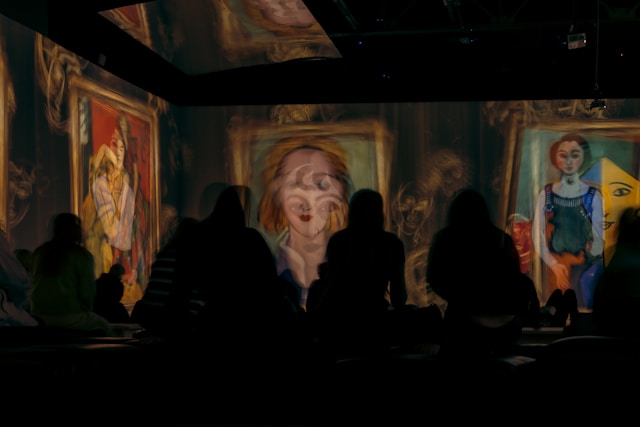
Das Kino: Kunst und Kultur als gesellschaftliche Lebensader
Seit über einem Jahrhundert zeichnet sich die Welt des Kinos und Films als gesellschaftlicher Begleiter aus. Die Kraft bewegter Bilder im gedämpften Licht des Kinosaals - zunächst eingefangen auf Zelluloid und heutzutage in digitalisierter Form - fasziniert Menschen seit jeher. Trotz der Evolution der Technologie und der Art des Filmkonsums sind der Film und das Kino bis heute voneinander untrennbar. Von seinem Ursprung als Unterhaltungsmedium hat sich das Kino mittlerweile zu einem kulturellen Eckpfeiler entwickelt, welcher weit über das bloße Zeigen von Filmen hinausreicht.
In einer Zeit, in der die Bedeutung von Kunst und Kultur für die Gesellschaft, insbesondere angesichts Einschränkungen während der Corona-Pandemie, immer wieder aufkommt und diskutiert wird, gewinnt die Betrachtung der gesellschaftlichen Rolle des Kinos als Kulturinstitution, vor allem in Bezug auf die Gesellschaft von morgen - der jungen Generation - an Relevanz.
Das Kino als Ort gesellschaftlicher Öffentlichkeit
Das Kino ermöglicht kollektive Filmerlebnisse und stellt dabei als Ort der Öffentlichkeit einen Anstoß für gesellschaftlichen Austausch dar. Das Kino erfüllt dabei eine bildende Funktion und trägt zur Förderung von kritischem Denken und Identitätsstiftung bei. Während der kollektiven Filmschau rücken gesellschaftliche Reibungsfelder in den Hintergrund. Soziale und kulturelle Unterschiede verlieren im Dunkeln des Kinosaals vorübergehend an Bedeutung und es entsteht eine Gemeinschaft – zumindest temporär. Als Kulturinstitution schafft das Kino demnach einen Raum für individuelle als auch gemeinschaftliche Erfahrungen und ermöglicht gleichzeitig ein sich positiv auf die psychische Gesundheit auswirkendes willkommenes Entkommen aus dem eigenen Alltag.
Die junge Generation entdeckt das Kino für sich
Eine interessante Entwicklung zeichnet sich hierbei in Europa ab, wo immer mehr junge Menschen nicht nur die Populärkinos besuchen, sondern auch ein wachsendes Interesse an Arthouse-Kino Vorführungen abseits des Mainstreams zeigen. Dieser Trend findet seine Wurzeln beispielsweise in innovativen und finanziell attraktiven Abonnement Modellen wie dem österreichischen „nonstop“-Kinoabo“ oder seinem niederländischen Vorbild und Vorreiter „Cinevillepas“ , welche der jungen Generation den Zugang zu alternativer Filmkultur und -bildung ermöglichen.
Navigating Shifts in Audiovisual Policies: The Evolving EU-Latin America Relationship
The European Union (EU) and Latin America have a long relationship in audiovisual policies. As happens in many relationships, there are indicators that things might be changing.
Connected by historical and cultural ties, the two regions developed several initiatives to strengthen their relationship. They share a common vision in recognising the cultural value of the audiovisual sector and are committed to developing policies to protect and promote it.
Historical context
Latin America does not follow the same regional integration blueprint as the EU. It has two supranational political projects actively shaping audiovisual policies on a broader, regional scale. The first one is Mercosur, a regional organisation creating a free-trade region, including Argentina, Brazil, Paraguay, and Uruguay, whose main audiovisual institution is the Specialized Meeting of Audiovisual and Cinematographic Authorities of Mercosur and Associated States (RECAM). Then, the Ibero-American political project is based on political, economic, and cultural cooperation among Latin American countries, Spain, and Portugal, including in total 22 member states. In the audiovisual sector, a key Ibero-American institution is the Conference of Ibero-American Cinematographic Authorities and the Ibermedia Program.
Despite the institutional differences, Latin American supranational political projects, such as Mercosur and Ibero-American cooperative arrangements, looked to the EU as a model to follow in the domain of audiovisual policies. Supranational institutions, such as RECAM and the Ibermedia Program, were created mirroring the EU MEDIA Program. Although the image reflected was quite different from the original model, the influence of the EU shaped the audiovisual policies developed in this part of the globe (Crusafon, 2011).
Having the same ideas of protecting the regional audiovisual market due to its cultural value, they shared the ambition of joining efforts to strengthen their audiovisual sector and to develop an audiovisual industry strong enough to compete with Hollywood. Therefore, their relationship was motivated by a shared vision of cultural–regional - sovereignty and economic resilience against the dominance of US media conglomerates. Although this ambition was never fully concretised, it was an ideological horizon that enabled policies in the region to move in the same direction.

The competitiveness of European cinema: "non-theatrical" cinema wins through S-VoD
The big question of competitiveness appears in the different scenarios and studies on the recent evolution of cinema on both sides of the Atlantic. In particular, in this article we report on the specific study on the impact of the streaming sector -including VoD and SVoD- on the competitiveness of European cinema; which is one of the aspects that concern us in the Reboot consortium (WP2, Report D.2.2.).
The latest Focus 2023 report from the Marché du Film de Cannes raised a big question mark with the COVID-19 crisis now over as theaters have regained pre-pandemic audiences. To know if the European cinema data with 37% less wide release films compared to 2019, although with an average box office takings per film equal to 2019, are only " repercussions of the COVID-2019 crisis that, to some extent, the pandemic has accelerated or, at least, revealed pre-existing weaknesses". What's going on, is it possible to reconcile diversity and competitiveness?
The weakness of the European film sector to which Focus 23 refers can be observed in different variables and paradoxes: such as "the decline in box office receipts but with stable production levels, at least in Europe", the growth of the market for "non-theatrical films" as opposed to those that are shown in theaters (...), thus opening the way for "new business models that challenge the "traditional deficit financing".
As of early 2023, some studios have balanced their strategies (e.g., The Walt Disney Co. which has capped releases through its Disney+ service), but it is still unclear what the final trade-off will be between theatrical release and live SVOD" with no prior theatrical pass-through.
This weakness of "theatrical" cinema is, on the other hand, in our opinion, a great opportunity for the S-VoD sector, and as we mentioned here, a growth factor that is "pulling" the entire cinema/audiovisual value chain (scriptwriters, production, acting, filming, dubbing, etc.). There are, therefore, doubts about the model, changes in strategy and a new technological paradigm, a combination that has accelerated the decision making that explains the successful growth of VoD and S-VoD. But, before moving forward, let's rewind a little in time.
Flash back: the industry 10 years earlier
Although in 2014 in Spain we already had two S-VoD platforms (Filmin and Yomvi ), to explain the emergence of the phenomenon it is inevitable to talk about Netflix as a disruptive milestone in the audiovisual sector (Neira, 2020, 35; Corredoira, 2023, 3). Netflix, which was born in 2007 as a DVD subscription rental company and in 2012 became an S-VoD platform, landed in Europe in 2012; first in Ireland and the UK, in Nordic countries, and arrived in Spain and Portugal in 2015, thus beginning a path of business and international expansion that had already begun in 2010 with the arrival in Canada and some Caribbean countries. As mentioned above, it was the changes in the United States that have driven the development of VOD platforms on a global scale. On the one hand, the development of Netflix as a company dedicated exclusively to streaming -in parallel to the improvement in time and quality of network video-; on the other hand, the move by the major studios to adapt and position themselves in this new reality has influenced the internationalization of streaming. In Europe, the arrival of major international platforms was combined with the establishment of a regulatory framework and the emergence of national initiatives, such as Filmin in Spain, from the independent film sector, or Movistar +, from the major telecommunications groups.
KEY CONCEPTS
For the European Audiovisual Observatory of the Council of Europe, "VoD refers to content delivered over a managed network to a set-top-box and it is the kind of technology employed by Cable and IPTV providers".
Subscription VOD or S-VoD "is a business model traditionally associated with streaming video. Users pay a standard monthly rate for access to content which is streamed on request; this is to say no long term store of the content is made on the user's device."
The Cambridge Dictionary defines S-VoD as "a system for watching films or recorded programmes on the internet or television at any time".
Beyond this generic definition, the fact is that VOD services are characterized by a wide range and heterogeneity of services that are being analyzed in detail in Reboot.The development of VOD services in Europe
While in the U.S. the majors have played a central role in the development of VoD services, in Europe the evolution has been slower, says Focus 2023, albeit with a steady acceleration since 2012. "During the COVID crisis, Hollywood studios indeed directed part of their production to streaming services, including their own services, and this trend continued in 2022 as a way to attract more SVOD subscribers ".
Image 1 shows who's who in the Motion Picture Association (MPA) i.e. the main association of the Hollywood industry until Netflix's entry that occurred in 2019, and how those companies also have their "window" on a VOD platform or service, making strategic decisions that remain in place at the present time (March 2024).

Boosting competitiveness through marketing: An Interview with Joanna Solecka
As part of the interviews conducted with European film professionals to understand their visions and needs in the European Film Industry, we talked with Joanna Solecka, a film marketing expert and strategist. She is the Head of Alphapanda in Warsaw, a European digital marketing agency for the film industry. The agency handles marketing for a variety of film projects including fiction films, documentaries, animations and TV series, such as 'The Quiet Girl' (Oscar Nominee), 'Touch Me Not' (Berlinale Winner) for fiction, ‘Smoke Sauna Sisterhood' for documentaries (European Film Awards Winner), and the animated film ‘Flee’ (Oscar Nominee). This interview was conducted online on April 22, 2024. During our discussion, we delved into the often overlooked role of marketing in enhancing the competitiveness of the European Film Industry and its quest to reach wider audiences. Joanna Solecka highlighted the importance of thinking about marketing in the early stages of production and how defining the right strategy can help films better communicate with their audiences and become more competitive. Additionally, we explored the various hurdles faced in enhancing film marketing in the European Film Industry. These challenges include a general lack of awareness about the significance of marketing, limited budgets, and a shortage of skilled marketing professionals. Joanna also underlined the need for a deeper understanding of the film marketing profession and the development of trust between filmmakers and film marketing experts.
Marina Rossato Fernandes: What are the key challenges in film marketing within the European Film Industry?
Joanna Solecka: There are three challenges I’d like to highlight: marketing budgets, awareness and lack of experts in the field. Budgets for film marketing are still the main challenge. And also understanding that you need the marketing already at the development stage. Whereas there are very little or no options available for funding of the marketing activities at this stage. There is also a lack of time and experts in the field, which is connected with the budget challenge. The producers are focused on producing with very little space for the marketing thinking behind it, and what really makes a huge difference for a film to be competitive is that you have a clear strategy on how to promote the film before you enter the shooting. Because then you can understand what kind of film you have in your hands, who the targets are, and what you can do during the production, which will later save your budget and help you to secure the necessary materials. Also, a strategy will make you understand what kind of target audiences you will have for this film. And because of this understanding, which is crucial, you will know what kind of materials you’d need. Moreover, because of these targets, you will also know which ambassadors and partnerships you can set up for your film. That should also start quite early as these types of things take time.
Marina Rossato Fernandes: When developing a marketing strategy for a film, are there fundamental differences when targeting different territories?
Joanna Solecka: Of course, it's very important to understand these differences. For instance, you can play with a lot of language elements for your national campaign that won't be understandable in other territories. Or you have a recognizable cast in your country, but it's not recognized outside the national territory and this should push you to think about what other elements you have at hand to use for your international premiere.

Senior professionals on the resilience of the European film industry: a media industry perspective
How do senior professionals reflect on the changes and consistencies in the European film industry (EFI) over recent decades? What was their experience of the impact of digitization on film production, distribution, and exhibition? Has Hollywood's dominance in the European film market become more systemic than ever? How effective were European film policies in strengthening a solid EFI? How do key witnesses perceive changes in the competitiveness of the EFI? These and many other important questions are central to the historical research of the REBOOT project. Together with colleagues at UCM and UW, the UGENT team has been conducting a large set of interviews with senior professionals in the European film sector.
The UGENT team split the interview waves in two, one being a Flemish wave and the other being a pan-European wave. For the Flemish wave, twenty-five interviews have been conducted so far. For the European wave, the count is fifteen. The interviews have been evenly distributed across various segments of the sector, as well as in terms of gender representation and individuals' roles within the industry. We conducted interviews with important stakeholders in the Flemish film production, distribution, and exhibition sectors, as well as scholars, policymakers, and film critics. On the European level, we interviewed people at the policy level, but also representatives of film funds, pan-European film trade and other organisations.
Overproduction
When asked about the primary drivers of change in the European Film Industry (EFI), most interviewees highlighted digitization processes and the rise of streaming platforms. According to them, these transformations affected various subsectors. In film production, major companies have shifted focus towards creating content tailored for these platforms, reflecting a broader trend of adapting to evolving viewer preferences and consumption habits. However, this shift has resulted in a complex ownership structure within the EFI, with foreign-owned entities exerting significant influence over traditional television production and streaming content creation. A recurring observation among interviewees was the concern about overproduction in the industry, potentially impacting the quality of produced films. as the head of an important public film fund argues: “Currently, there is an overproduction of films in Europe, with an estimated 2,400 feature films slated for production this year. However, many of these films are not necessarily based on their artistic or commercial merits but rather on their potential to generate economic activity in specific regions. This approach undermines the quality and cultural value of European cinema, leading to potential long-term repercussions.”
Systemic Hollywood
In interviews, the changing role of the US filmed entertainment industry emerges as a recurring topic. Many interviewees discussed Hollywood's dominance over the European film industry, with some suggesting that this dominance may now be more entrenched than ever due to its mass promotion strategies and substantial budgets. This poses challenges for European films, which often rely on subsidies and struggle to compete on a global scale. The president of a pan-European producers’ association highlighted various aspects of this US dominance, including the control of major US companies over the streaming business, their increasing investments in European production, their “huge financial power” and their “lobbying power which is incredible.” Even though policy efforts to counteract this dominance did not seem to be able to reduce Hollywood’s presence on the European audiovisual market, interviewees were rather quite positive about the long-term impact of European, national, and regional film policies. Or as a consultant and data specialist in the European film industry argued: “The European Union, being a union of different markets, has not transformed into a single entity like the US. While studios dominate, it is debatable whether we want a European equivalent of Disney, which would be as significant as a country. Europe has been successful in its own right, producing successful films and significantly more content than the US.”
More movies in catalogues and on the theatrical market
Many interviewees also talked about major changes in the distribution of European films, and about changes in competitiveness, for instance in the direction of the growing competition for content between traditional cinema distribution channels and streaming platforms. Additionally, as the revenue model relying on DVD sales has nearly disappeared, traditional distributors can be put in precarious positions if a film underperforms in cinemas. However, some witnesses underline how the advent of digitization significantly reduced the costs associated with film distribution to cinemas. An important nuance here is that general costs have not necessarily been reduced but are now simply allocated differently with more focus on promotion. Another trend in this altered distribution model is that more films are now on the market, both in distributors’ catalogues and in cinemas. Distributors flooding cinemas with numerous films and quickly withdrawing them, assuming sufficient supply. Consequently, an oversupply of films presents challenges for both cinemas and distributors. Some professionals underline that because of these shifts the traditional distinctions between first, second, and third-run circuits may be blurring, or as the head of a European distributors’ association said: “It seems that the traditional first, second, and third-run circuits may have amalgamated.”
Resilience after the pandemic
One of the most important statements when talking about the EFI deals with the resilience of the theatrical film market. The pandemic was a disaster for cinemas, and the old trope of the end of the cinema was heard in the industry again, but the most recent figures indicate the continuing attraction of the film theatre, as well as the theatrical film market’s resilience. New programming and curatorial tendencies emerged or were strengthened like a move toward multi-programming, audience and community building, and stressing events. Or as a former data-analyst of an important pan-European exhibitors’ association said: “A lot of those smaller independent cinemas are doing very well and are making more money than before COVID. Cinemagoing is not dead. People of all age are attracted to it if you give them the content and experience that they expect. Cinemas that fail to innovate in programming and events struggle to survive.”
Further steps
These are just a few of the findings from our initial set of interviews with key experts in the EFI. These interviews, lasting between 60 and 90 minutes, were conducted either in person or digitally and recorded for transcription. We then completed the transcription and conducted an analysis using NVivo, a software package commonly utilized in qualitative research for interview analysis. Currently, the analysis is in its early stages, focusing on broad initial and open coding. The UGENT team aims to finalize these interviews before attending the Cannes film festival and the upcoming REBOOT consortium meeting. During this meeting, UGENT will collaborate with UW and UCM. Subsequent discussions, scheduled for June 6-7, 2024, in Madrid, will focus on the report's structure and potential alternative forms of scholarly and other publications.

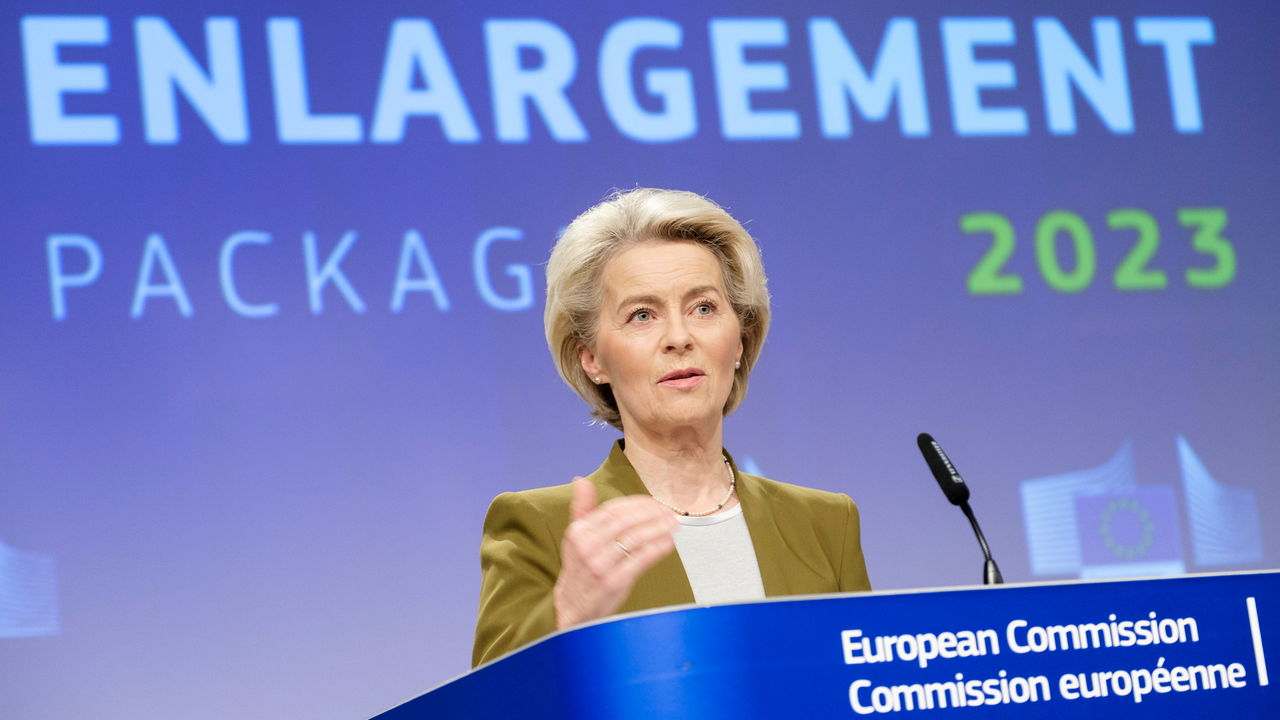
The challenges to audiovisual and media cooperation between EU and Western Balkan candidate countries
In 2018, the European Commission put the Western Balkans back in the policy agenda by designating them as a political challenge with its new Western Balkans Strategy (European Commission, 2018), because of the increased presence of external powers like China or Russia. This is concerning to the European Union because, on the one side, Von der Leyen’s ‘geopolitical Commission’ has made a commitment to the region to speed up the Enlargement process as a remedy for the widespread ‘Enlargement fatigue’ in Western Balkan countries among their societies and political elites, and on the other hand, because the presence of foreign powers that align to a different set of values and rules can have pervasive effects of the regulatory environment and national security in these countries, delaying the acquisition of the acquis communautaire as the main requirement for their entry as EU Member States. In this context, the audiovisual and media industry has a key role to play. First, because the democratically maturing political system of these countries, which have often been defined as ‘stabilocracies’ (Bieber, 2020), use the media as a controlling tool to “regularly produce artificial political crises over EU conditionalities to undermine any true efforts in strengthening the rule of law” (Hoxaj, 2021: 165). Second, because the media and audiovisual industry, and the narrative spread through it have a key role as a mechanism to spread social rules and socialise the population in Western Balkan countries into the EU values defined in Art. 2 of the Treaty on the European Union (TEU), which is again a necessary requirement for their accession into the European Union, and to promote the support for it among their population. Having realised this, foreign powers use direct and indirect cooperation with media outlets in these countries (European Parliament, 2022), some of which are directly owned by foreign entities, to promote their narratives, and standards on media freedom and human rights, which differ from those of the European Union (Vladisavljev, 2021). The EU itself has recognised this problem, admitting that “there is also extensive political interference in and control of the media” in Western Balkan countries (European Commission, 2018). Thus, it “needs to safeguard the freedom of expression and independence of media as a pillar of democracy” (ibid.). Consequently, the EU has various projects to enhance this cultural cooperation. Among them, the Instrument for Pre-accession Assistance (IPA II) funds activities aimed at strengthening cross-border cultural cooperation with and competitiveness of cultural and creative industries in the Western Balkans ( EAEA/39/2019 ). Out of 350 entries, the European Education and Culture Executive Agency (EACEA) chose 13 projects with 91 partners.


Mapping the circulation of European cinema in Argentina
One of the three largest cinema markets in Latin America, Argentina covers a geographical area of 3.761.274 square kilometres and has a population of 46.3 million (argentina.gob.ar n.d). The country has developed an impressive film industry, producing an average of 200 films per year and substantial domestic box office revenues, making it one of the fastest- growing audiovisual markets in the region. Argentine cinema is well-regarded around the world, and it is present in all the main film festivals, including Cannes, Berlinale, San Sebastián, and Sundance among others. It also hosts the most prestigious film festival and market in Latin America, Mar del Plata Film Festival and Ventana Sur . The latter is organised by INCAA 1 in partnership with the Cannes Film Festival , highlighting Argentina’s significance in the global film market, particularly with European partners.
The partnership between the INCAA and the Cannes Film Festival through Ventana Sur is a tangible manifestation of Argentina’s long-celebrated historical and cultural affinity with Europe, evident in its film industry, which maintains strong connections with the continent. Argentina has several co-production agreements with European countries (bilateral co- production treaties with Spain, France, Germany and Italy). It is also part of the Ibermedia Program , fostering audiovisual cooperation between Latin America and select European nations. A 2022 study conducted by ICEX - España Exportación e Inversiones has highlighted that the most common co-production partners for Argentine producers are Latin American and European countries, with Spain standing out due to the long historic cooperation between the two nations (Diéguez Coba, 2022). This becomes evident when examining co-production statistics for 2023, out of the 38 co-productions exhibited in Argentina, 14 involved European countries, 26 involved Latin American countries and only one co-production was with other countries.
Despite the strong cultural, linguistic, and historical connections between Latin America and Europe, the economic impact on the circulation of audiovisual productions remains limited ( Mastrini and Krakowiak2019 ). While it is true that Argentine audiences have shown appreciation for European films, particularly admiring directors from Spain, Italy, Germany, and France for the quality of their work, European cinema has struggled to find a window of exhibition in recent years. Contemporary European films have limited space in the commercial circuit, mostly confined to specialised arthouse or independent cinemas, a few Pay TV channels that showcase European content and platforms like MUBI that focus on independent films. This fact has been recently evidenced by local news. "That 'other' cinema, especially European, is reaching Argentine theatres in an increasingly sporadic manner, appearing in fewer theatres, with fleeting stays on screens, and limited audience impact" ( Battle, 2023 ).

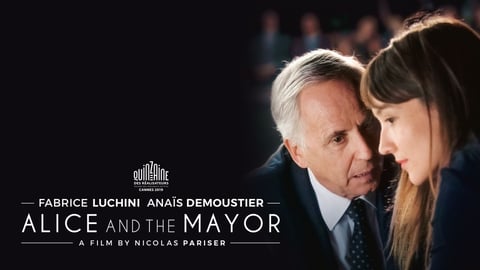
Philosophy vs. Realpolitik: Discussing European Cinema Competitiveness Crisis Through ‘Alice and the Mayor’
The Europa Cinemas Label is an award created during the 2003 Directors' Fortnight (Cannes) that recognizes the best European film at five festivals throughout the year, including Berlin, Karlovy Vary, Locarno, Venice, and Cannes. The winners receive distribution support from the Europa Cinemas Network, an association of exhibitors representing over 3,000 screens in Europe and beyond. Alice and the Mayor , directed by Nicolas Pariser, was awarded the 2019 prize in the Directors' Fortnight section at Cannes Film Festival. The film depicts the story of Paul Théraneau (Fabrice Luchini), the fictitious socialist mayor of Lyon, who hires Alice Heimann (Anaïs Demoustier), a Ph.D. in philosophy, to help him generate new ideas, pitting realpolitik against philosophy. Against this backdrop, the film's thematic preoccupations map onto scholarly discussions of the crisis of European cinema's competitiveness at the bifurcation of protecting European core values and competing with the entertainment market.
The Euro-crisis that began in 2010, Brexit, and more recently, the refugee crisis, pose political, economic, and cultural challenges to European identity concerning some core values, including democracy, human rights, and constitutional regulations. (Sassatelli, 2015; Leith and Sim et al., 2019) So, what ‘European’ refers to becomes a crucial question. At the institutional level, the European Union declares its policy motto “united in diversity.” Although this statement may point to specific indicators at the legislative level, it is necessary to look at how it works in practice to grasp it. Sassatelli proposes that looking into cultural policy initiatives relevant to identity-building is noteworthy since “European identity is very much still in the process of being made and is still heavily contested.” Given that European cinema policy functions under the same parameters as other EU initiatives on cultural policies and that its products are part of a multi-billion-dollar global business, it is crucial to analyze how European cinema positions itself in constructing European identity and the global film industry. As Forbes and Street argue, this situation highlights a dilemma for European cinema: whether to take advantage of the global film market boom or follow public policy and promote cultural diversity (2017). The reason for this dilemma is that European cinema is often perceived as art cinema inclined with alternative aesthetic and thematic preoccupations, in contrast to Hollywood's commercial cinema, which dominates the global film market. Although it is debatable how functional this comparison is (Elsaesser, 2014), it is often stated that European cinema is in a competitiveness crisis, thinking of the domination of Hollywood and the rising popularity of Indian and Chinese cinema. So which path will European cinema follow: maintaining the position of freedom in cinematic practices on the margin or adapting to the market to compete? Or is it possible to combine both?

The flow of audiovisual content in the EU: Unravelling the legislative changes
I. Introduction
In the ever-evolving legal landscape of the European Union (EU), the movement of cinematographic and other audiovisual content has undergone a significant legislative evolution over the years. As the digital era continues to reshape the way everyone consumes and produces content, the EU has taken steps to adapt its legislative framework to meet the challenges and opportunities faced by the European audiovisual industry. This blog post explores some of the main aspects of this transformation and its implications for the flow of audiovisual works within the Union.
II. Background
Before delving into the legislative changes of EU law, it is vital to grasp the context that set the stage for them. It is well known that Europeans were among the creators of the first moving pictures with the contribution of great artists and craftspeople as early as the late 19th century.[1] More than a century later, the world discovered new ways of watching movies, shows and other kinds of emerging audiovisual works, beyond the traditional cinema or television broadcasting experience. Nowadays, people are able to watch their favourite shows online. Since the early 2000's, European (and global) audiences have started consuming more audiovisual content on computers, portable devices, smart TVs and other types of devices, through video-on-demand services (alongside cable networks, broadcast television, etc.). In that regard, the technological convergence and the ongoing platformization process in the film industry and the audiovisual sector more broadly have a substantial impact, reforming cultural policies and media regulation in relation to the national (and regional) legal and political settings [2].
In a wider context, as Denis de Rougemont has argued:‘Culture is all the dreams and labour tending towards forging humanity. Culture requests a paradoxical pact: diversity must be the principle of unity, taking stock of differences is necessary not to divide, but to enrich culture even more. Europe is a culture or it is not’.[3] In a rapidly globalizing world it is evident that European films and programmes include not only culture: the magical optical phenomena deriving from the illusions of cinematographic and other audiovisual works involve trade-related policies, international relations, and industry. However, the cultural side of the European audiovisual sector, which is a core vector of European values and ideals, is just as important as its economic outreach. Therefore, the EU tries to help all the actors involved by making a safe space to create, produce and innovate, in order to give rise to some hope - as a breath of fresh air - on that field.
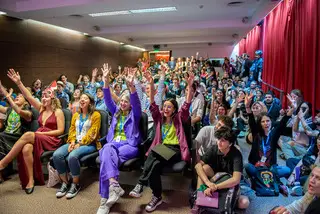
Ventana Sur: An Opportunity to Strengthen Latin American Audiovisual Production.
Between November 27th and December 1st, 2023, Ventana Sur , the largest audiovisual market in Latin America, took place in the city of Buenos Aires. Producers, distributors, and other industry players convened to conduct business, sign agreements and promote Latin American projects aiming for global screens. This year marked the 15th edition and hosted over 4,480 accredited attendees from 45 different countries, making Ventana Sur a strategic space to position Latin American audiovisual content on the global industry agenda and map.
A Place in the World
However, what role does Latin America play on this map? What challenges does it face in the global value chains (GVC) of the audiovisual industry? It's commonly assumed that the prevalence of Spanish and Portuguese in a region with over 650 million inhabitants offers Latin America unparalleled conditions to operate as a common, integrated and relatively autonomous space. Yet, in practice, this isn't the case. Latin American audiovisual industries are heterogenous and fragmented. While some countries rank among the top global producers (like Argentina, Brazil, and Mexico), historical obstacles persist in terms of content distribution and exhibition. In addition, the region lacks a body equivalent to the European Union, which can formulate and execute policies on a regional level. Worse yet, Latin American countries have started aggressively competing among themselves by offering incentives (cash rebates, tax rebates, etc.) to attract investments, ultimately reducing production costs for major global players.
While there have been increased connections and exchanges among Latin American countries in recent years, notably due to Ibermedia and film co-production agreements, the level of exchange remains far from its potential. Latin America continues to be dominated by Hollywood: the local market share in cinemas barely reaches 10% across the region and dominant Video on Demand (VOD) services (Netflix, Amazon Prime Video, Disney+, and HBO Max) all originate from the United States.
Paraphrasing Gustavo Buquet, author of "The Power of Hollywood" (2005), one might say that while national audiovisual industries operate within their markets, the North American industry appears to be the true Latin American audiovisual industry. VOD services deepen this dominance (Vlassis, 2020), monopolizing intellectual property (IP) and reaffirming Latin America's position as a mere subscriber market and content provider, lacking significant capacity to develop its strategies, infrastructures, and services.

Looking back on 30 years of European Film Industry. A conversation with Paul Pauwels
How has the European Film Industry (EFI) evolved over the past three decades, and how has the concept of competitiveness transformed during this period? What impact have technological, political, and social changes had on this evolution? Belgian film producer and former Director of the European Documentary Network (EDN) Paul Pauwels has offered insights into these questions during a conversation.
On October 20, the partners of REBOOT’s second work package - related to the “Diachronic understandings of the 'competitiveness' and of the 'European' in EFI” - met in Ghent to address common goals and methodologies. Representatives from the universities of Ghent, Liege, Warsaw, Jyväskylä and Complutense (Madrid) debated interview protocols, case studies and historical changes in European film governance. The session had at its core a panel discussion with Paul Pauwels. Pauwels has more than four decades of experience in both the public and the private sector, in the areas of film production, project development and financing, and as member of the Flemish Public Broadcasting Company-VRT. Thus, his reflections were central to illuminate transformations and challenges for the EFI over the last three decades.
Many of the materials gathered at the encounter will be presented in one of the deliverables of WP2 about the industrial transformation of European Cinema. There are however a series of key themes that this text would like to highlight, as they contribute to resituate some topics REBOOT is currently dealing with and to showcase the potentialities of a key WP2’s method: the in-depth interview with stakeholders of the EFI.
In a conversation led by Daniël Biltereyst, who also organized the meeting with Engelart Willems, Pauwels discussed the changing modes of production. This discussion prompted the meeting’s participants to start reconsidering the concept of competitiveness, which should be examined from at least two perspectives: competitiveness related to the financing and creation of a film, but also in terms of considering the audiences and potential outreach of a product. According to Pauwels, who mainly talked about documentaries, audiences today play a pivotal role in the inception of a film project. Compared to two or three decades ago, it is now essential to have a clear understanding of the potential audience before production begins. Since several contemporary documentary productions are today designed as international projects to secure various sources of funding, the need to consider potential audiences introduces an additional layer of complexity to the process. This raises questions about who the ideal audiences truly are, where they can be found, and how films should be tailored to resonate with their diverse contexts.

Women in the Film Industry: Leaky Pipeline Phenomenon
Film festivals have emerged as a crucial platform for acknowledging the talent and contributions of women filmmakers, who have historically been underrepresented in the industry. The Cannes Film Festival in 2018 highlighted the gender disparity by featuring a gathering of eighty-two female filmmakers on the red carpet, representing the small number of women who have been given the opportunity to participate since the festival's inception in 1946, compared to thousands of men. This powerful demonstration shed light on the significant challenges and barriers that women face in the film industry. However, film festivals also offer positive indications of women's achievements, particularly in Austria. These events have provided a valuable stage for numerous talented Austrian female filmmakers to exhibit their work to a broader audience and gain international acclaim. The accomplishments of these women serve as both inspiration and proof of the creative potential within the Austrian film industry. Furthermore, studies, such as the Austrian Film Institute's Film Gender Report have revealed that Austrian female filmmakers win more awards at film festivals than their male counterparts (Zappe-Heller, 2023).
Gender incentives as a bonus for film makers
To promote gender diversity in film projects, a bonus of 30,000 Euros is offered if the team includes female professionals in various positions such as production, directing, screenplay, and more. Points are assigned to each position, and once a score of 50 points is reached, the Film Gender Report is fulfilled, and the bonus is granted automatically. These incentives aim to encourage the inclusion of women in the industry. However, filmmakers are eager to secure the highest possible funding for their projects, so they often take a gamble on the extra money from gender incentives, even if the market cannot provide the necessary conditions by fully booked female film makers. As a result, the film team faces significant pressure to meet all the funding requirements right from the beginning.
Leaky pipeline also in the creative industries
Current studies in Austria reveal that the film industry is not immune to the "leaky pipeline" phenomenon, which refers to gender disparities in professional careers, particularly in higher positions (Zappe-Heller, 2023). The representation of women decreases as positions become more senior, salaries increase, and decision-making power grows. While the gender distribution in entry-level positions may be more balanced, women face significant obstacles in their career progression and tend to "get lost" along the way. However, in recent years, studies show that in terms of promotion, women have a slight superiority here in newcomer films, which are the first or second works of female or male directors (Zappe-Heller, 2023). This suggests that many young women are drawn to the film industry, but it remains uncertain whether this trend will persist in the future and requires further evaluation. Nevertheless, there is a significant shift in proportions, as more men than women, especially those without relevant education, work in the industry. Women also receive less than 30 per cent of the funding from the Austrian Film Institute, highlighting the unequal distribution of resources (Zappe-Heller, 2023). Additionally, women's family planning and childcare responsibilities pose specific challenges that can act as barriers to their participation in the film industry. However, measures such as on-set childcare and support from funding institutions and producers are being implemented to address these challenges and ensure that women can pursue careers in the film industry without hindrance.
Gender Incentives as European Model? – Similar Situations
When considering the application of the Austrian model of gender incentives to a wider European context, it is important to address both the implementation of such measures and the underlying issue of resource distribution in the industry. Women are notably underrepresented, especially in directing roles, emphasizing the need for effective measures to promote gender equality.

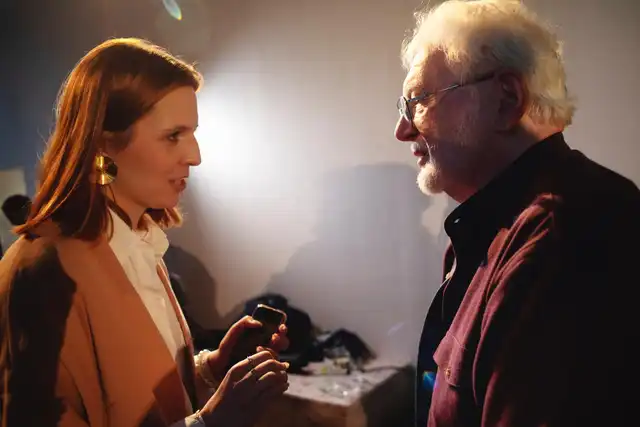
Breaking Down the Walls? –interview with film director, Andrzej Krakowski∗
In a thought-provoking event titled "Breaking Down the Walls: Old and New Barriers to Social Cohesion in Arts, Culture, and Media," jointly organized at the Museum of Modern Art Warsaw, on May 11, 2023-by the Faculty of Journalism, Information, and Book Studies at the University of Warsaw and the Media Diversity Institute Global, the focus was squarely on the dynamic interplay between the arts, culture, and media sectors and their potential to cultivate social cohesion.
Delving deep into the underpinnings of contemporary democratic expression, the event critically examined the mechanisms conducive to societal and technological transformation.
The event titled "Breaking Down the Walls" undertakes a critical exploration of the factors that underpin contemporary democratic expression, paving the way for societal and technological evolution. It delves into the significance of deliberative communications, where ideas are exchanged with respect, and explores how involving communities in discussions, events, and decision-making processes can foster greater social cohesion while countering polarization and misinformation. The event's discussion dissected the creative sector's pivotal role in upholding freedom, combatting polarization, and championing deliberation within the unique context of Poland. The overarching question it addresses is how artists and cultural figures can actively contribute to the preservation of democracy.
The panelists as well as the gathered audience confirmed by their presence that democracy begins with small actions. Moreover, culture and media are never as close to each other as when freedom (of speech, creative, etc.) is threatened. Through the organization of a public event and a joint debate, we were able to make at least a small contribution to improving social cohesion, promoting deliberative communication and, above all, the quality of democracy.
In connection with the event, I had the opportunity to conduct a short interview with Andrzej Krakowski a polish-American film director, producer, academic teacher, writer and cartoonist who lives in the US. His contribution to the event was immense and at the same time extremely interesting. A. Krakowski spoke about his experience being expelled from Poland during anti-Semitic purges in 1968 and his cultural roots.
The interview with the director provides a picture of the current Polish film industry and its contribution to the international film market. Professor Krakowski has film experience in both the Polish and international markets. The topic adequately corresponds to the ongoing, international european film research conducted under the Reboot project.

The sinister aspects of reindeer as representatives of the mythical northern wilderness
This year Sámi activists in Norway have been protesting the parliament’s inaction concerning a wind farm in Fosen district: the Supreme court declared it illegal in 2021 but the turbines have remained in place. The district was important reindeer winter grazing area but now it’s unusable. Plans for even bigger farm have been on the makes in Rastigaisa fell area. Many Sámi organisations, locals and environmental groups have condemned the park as detrimental to reindeer herding, local wildlife and Sámi traditions.
These kind of projects with other land claims have for decades been devastating to the northern areas of Nordic countries, yet still the North is often depicted as untouched wilderness. This is one of the justifications for building the Rastigaisa farm: the place is considered empty .
The North can seem uninhabited when gazed from outside and this myth has a long history in Finland. First European travelers and artists got interested in northern landscapes and in the 19th century their work circulated back to the area that is now Finland. Southern Finnish artists and writers saw the distant and rugged landscapes with new eyes, and some travelled north to experience the place themselves. (Ridanpää 2019, 128; Saarinen 2011, 112.) To visitors the North became either a pure, mystical, comical or grotesque place in its wildness, and this tendency can also be seen in Finnish films, such as The White Reindeer (1952) and Lapland Odyssey (2010) (Hiltunen 2019, 89; 99).
The Finnish wildlife film Tale of the Sleeping Giants (2021, Tunturin tarina) – on which I am working on a research article for my dissertation in University of Jyväskylä – utilises this tradition. The film, directed by Marko Röhr who co-wrote it with Antti Tuuri, is part of a nature film trilogy with Tale of a Forest (2012) and Tale of a Lake (2016). In Sleeping Giants, the narrator journeys North to learn the stories of fells. In the film we see animals, but most of all, the magnificent landscapes of the North, without a trace of human presence, as is the convention in wildlife films (Chris 2006).

Queer utopias in coming-of-age films: Finding a place to breathe in contemporary European LGBTQ+ cinema
With breath comes imagination. With breath comes possibility. If queer politics is about freedom, it might simply mean the freedom to breathe. (Ahmed 2010, 120)
When I was young, I saw Lukas Moodysson’s film Fucking Åmål (1998), and it affected me strongly. The story of two teenage girls reflecting on their identity seemed very relatable. The small Swedish town depicted in the film was like my hometown in Finland in the 1990s. The life depicted in the film could have been mine. Sometimes, in that life, it was difficult to breathe. Since then, I have learned to immerse myself in films and art, and it has been easier. I think there is something universal in my experience.
In my Master’s thesis, I research queer autobiographical photography. One of my main interests in the field is queer lives as the subject of art. Perhaps that is the reason I have recently returned to watching queer coming-of-age films.
Last summer, I watched several recently released European LGBTQ+ films. The ones that stayed lingering in my mind were two coming-of-age stories: Valerie Bisscheroux’s Anne+ (2021) and Marta Karwowska´s Fanfik (2023). I would like to highlight a few common features in them. I wonder if a film can be considered a place in which one can breathe in peace.


… And, action! Stakeholders´ workshop towards a more accessible, competitive, diverse, and inclusive European film industry
The European film industry (EFI) stands at the intersection of the EU cultural and market policy agendas. In light of its multi-layered nature, having an insight into the operationalisation of the EFI and developing strategies to boost its competitiveness – while remaining loyal to the EU values, principles, and norms – require the use of a panoply of methodological tools that could reflect the spectrum of diverse policy and normative frameworks and the greatly various stakeholder perspectives and sector-specific needs and expectations. The REBOOT project constitutes an academic response to this need. By adopting an interdisciplinary approach to analyse the multi-faceted and complex governance models that inform the EFI, REBOOT also pays particular attention to the policy and legal dimensions of this phenomena.
To provide a comprehensive analysis of the impact of the EU legal framework on the EFI, its institutional context and the policies that inform film-making activities in Europe, SSSA has joined forces with ELIAMEP (Hellenic Foundation for European and Foreign Policy) and the University of Vienna . SSSA is conducting an extensive mapping of the enablers and disablers for the competitiveness of the EFI created by EU and Member States’ laws in the fields of copyright, media, cultural heritage, data protection and open data policies. The systematic overview and detailed legal analysis of these subjects will help highlighting how and to what extent the Union effectively supports or hinders stakeholders’ creative engagement with cultural and creative materials. This study will be complemented by the mapping of EU values, principles, and rules on equality and non-discrimination, cultural diversity, and pluralism, which will allow identifying the legal leverages that may be used to achieve a more accessible, competitive, diverse, and inclusive EFI.
To this end, SSSA devised an eight-staged thematic model, which builds upon the consensus on the five stages of the film-making process, and includes (i) development, (ii) pre-production, (iii) production, (iv) post-production, (v) distribution, (vi) exhibition in traditional venues, (vii) exhibition in alternative and digital venues, and (ix) preservation. For each stage, an evidence-based and research-supported brainstorming was performed to come up with a preliminary list of key areas from which legal hurdles and disputes may arise.


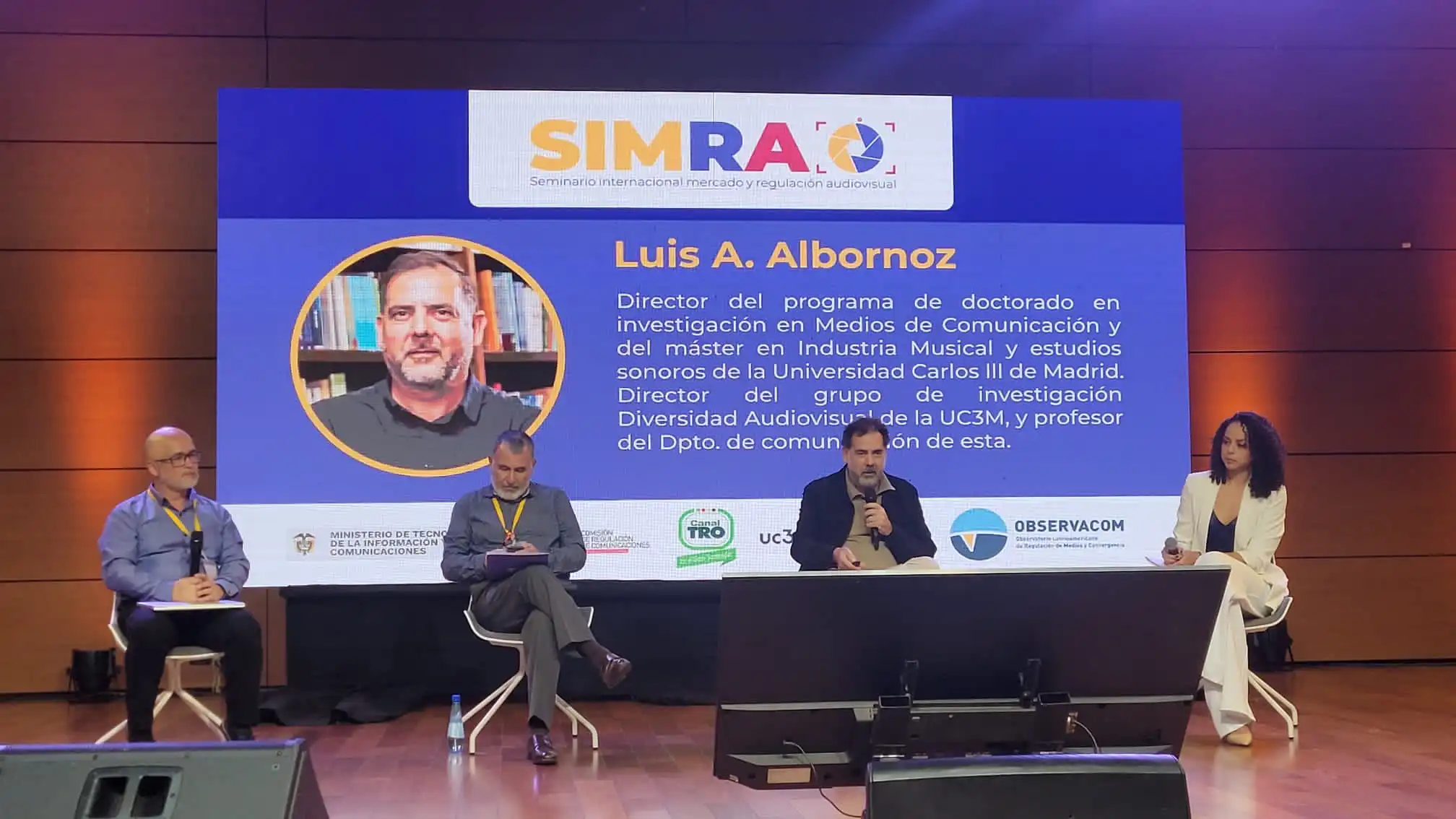
Bridging Latin America and Europe: The SIMRA Seminar on Audiovisual Services and Regulation
On May 24th and 25th, the International Seminar on Market and Regulation of Audiovisual Services (SIMRA) took place in the city of Bucaramanga, Colombia. The event, titled ‘Strategies, Market and Regulation of Audiovisual Services on the Internet: Dialogue between Latin America and Europe’, was co-organised by three Colombian entities – the Ministry for the Information and Communications Technologies (MinTIC), the Communications Regulation Commission (CRC) and the regional public television operator Canal TRO – in collaboration with the Audiovisual Diversity research group from Carlos III University of Madrid (UC3M, Spain) and the Latin American Observatory of Media Regulation and Convergence (Observacom).
Over the course of eight sessions, experts from Colombia, Spain, Argentina, Uruguay, Mexico, Peru, Brazil, Ecuador and France engaged in discussions and shared studies on the implications of the growth of video-on demand (VOD) services. They explored its impact on public media and the traditional audiovisual industry, its influence on audiences, and the need for new regulatory actions, among other topics.
The event featured the participation of Luis Albornoz and María Trinidad García Leiva, professor-researchers at UC3M’s University Institute of Spanish Cinema and the researchers responsible for the execution of the European project REBOOT - Reviving, Boosting, Optimising and Transforming European Film Competitiveness .
Dr. Albornoz presented partial results of the ongoing research conducted by the ‘Audiovisual Diversity’ research group at UC3M regarding the presence of Spanish works in the catalogues of five US-based subscription video-on-demand services (SVOD): Netflix, Prime Video, HBO Max, Disney+ and Apple TV+. During his presentation, Albornoz highlighted the number of Spanish films available on these platforms. In January of this year, the combined catalogues of these five services offered over 1,200 feature-length films including fiction, documentaries and animated movies.
Prime Video, from Amazon, is the service that features the highest number of Spanish audiovisual productions: there are 751 works - including international co-productions with Spanish capital involvement - out of a total of 4,869 titles, which accounts for 15.4 percent of the catalogue. Of these 751 Spanish titles, 73 percent (551 titles) are different types of feature-length films. On the other hand, Apple TV+ falls at the opposite end among the services studied. At the beginning of the current year, its catalogue, consisting of 150 titles, offered only three international co-productions with Spanish capital presence, one of which is a fictional feature film.
![<p>[object Object]</p>](/images/Blogposts_images/BP0001_genta_cashku.webp)
Cinematography and Society
In Conversation With Kujtim Çashku
Which of the powerful creations has left the deepest impact on our memories and consciousness from our early childhood onwards? Who has influenced us the most as we've grown - literature, art, or cinema? These questions, if still asked, are not simple to answer. But it's hard to deny that films, the moving image, has been a monumental force for transformation in our society. The powerful messages that are still vividly etched in our memories often come from the small screen, primarily the screen that keeps shrinking today, into the handheld devices we all carry around, be it an Apple or Android. I've always thought that writers have hundreds of pages at their disposal to express themselves. In contrast, a filmmaker, director, or producer has only a few minutes, perhaps up to 120, but still, a limited time to convey what they have in their mind. How do they do it? Especially today, with the significant changes, where characters are no longer the people, but ideas are.
With these thoughts in mind, I embarked on a journey to meet an intriguing figure in Albanian art and cinema, the advocate for human rights through film, director Kujtim Çashku. He's a cultural cosmopolitan stretched across two eras - one half under the censorship of the communist regime with the shield of socialist realism and the other in freedom. Professor Çashku founded the first film school in Albania (2004) and in 2006 he created the international Human Rights Film Festival .
The focus of the conversation was on a very important matter: the relationship between cinema and society today, seen through a broader lens, and to understand how this industry speaks in/to our times. So, the conversation moved in three directions: culture, competition/economics, and technology. What is competitiveness, and what is it today in itself? What has changed in the past 10 to 15 years? Innovations and technology, were some of the questions.
In the trajectory of the cinema's transformations and identity, according to Professor Çashku, the culture of image, seen from a broader perspective that delves into concerns, is assuming dimensions that are completely reshaping what are known as the three key moments in human relations: information, formation, and communication. Regarding this matter, he raises significant questions. Firstly, and most importantly, there's the management of a unique kind of wealth deeply intertwined with culture of image, with cinematography. Çashku asserts, "We have images that have created a wealth of their own over a century, and it's still a question as to how this will be managed. In the sense of whether they will be part of the dimension and dynamics that image culture currently has, or will the image remain an ephemeral, extraordinary product that doesn't provide an opportunity for reflection?" So, according to Prof. Çashku, the rapid bombardment with this type of culture of image may not leave much room for the development of reflective culture and is less likely to foster a culture of vision. Because, as he explains, "extraordinary events don't give you much time to have a clear and grand vision of the future. And when we talk about the future, we focus on children and young people, which, whether we like it or not, we can say that, in terms of the potentially beneficial or harmful way it can unfold, it comes largely uncalculated."
So, the way we deal with images is a matter deeply connected to reflection, both philosophically and artistically, as well as societally and historically. In them, we find a body of information that we choose to elaborate on. We must be able to turn these reflections into processes of shaping and adaptation.
HORIZON EUROPE
Cluster 2 - Culture - Creativity - Inclusive Society
Under the call “HORIZON-CL2-2022-HERITAGE-01-06: Increase the potential of the international competitiveness of the European filmmaking industry (RIA)” fall the following projects, along with the Reviving, Boosting, Optimising and Transforming European Film Competitiveness – REBOOT project:The SCENE project:
The SCENE project is strategically designed to enhance the European filmmaking industry's global competitiveness. It leverages semantically cognitive AI technologies and tangible/intangible European Cultural assets, aligning with European values and policies. SCENE revolutionizes the entire film-making pipeline, introducing innovations such as high- quality 3D models of European cultural sites and multi-dimensional knowledge graphs. It facilitates efficient simulation and assessment mechanisms for production and post- production, as well as privacy-preserving interaction between stakeholders and the audience. SCENE promises a groundbreaking proof-of-concept prototype, set to propel the film industry into a new era post-COVID on scientific, commercial, business, and policy fronts. Visit the website to https://thesceneproject.eu/ to learn more and join the Network. The team looks forward to having you on board for the SCENE journey!

The CRESCINE project:
The film and audiovisual sector is important to ensure Europe’s cultural diversity. This is why supporting the development, distribution and promotion of European films, particularly in small EU countries, is essential. Currently, most of Europe’s innovative and creative independent production and distribution companies cannot compete on a global level. With this in mind, the EU-funded CresCine project will enhance the competitiveness and cultural diversity of the European film industry. The aim is to engage and empower European small markets. Specifically, CresCine will set up pilots across seven markets to demonstrate challenges and drivers. The project will address the whole film production, distribution and consumption ecosystem in order to develop new tools, methods and strategic approaches.

partners and advisory board members


Listen to our Podcast
We are here...





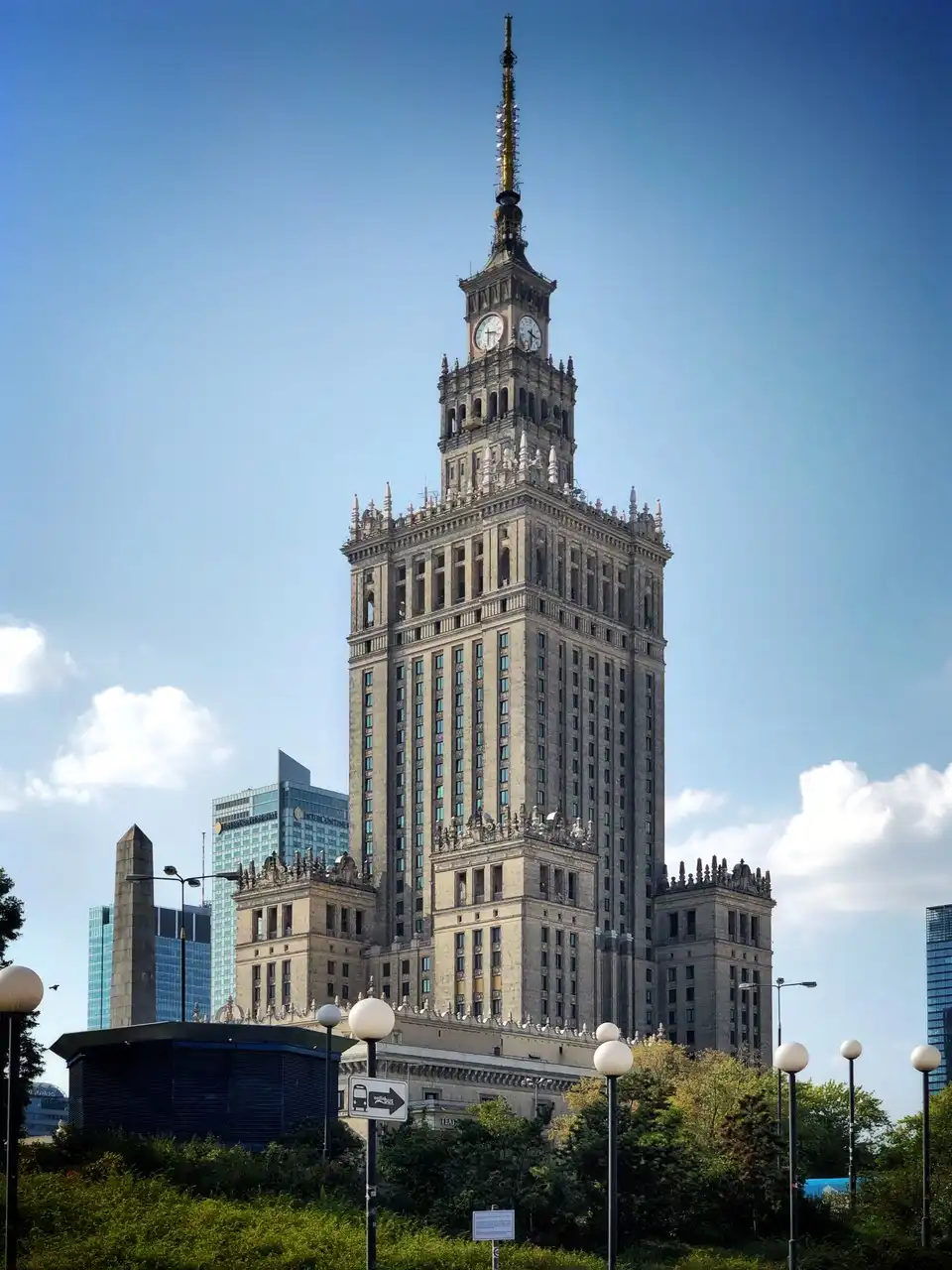



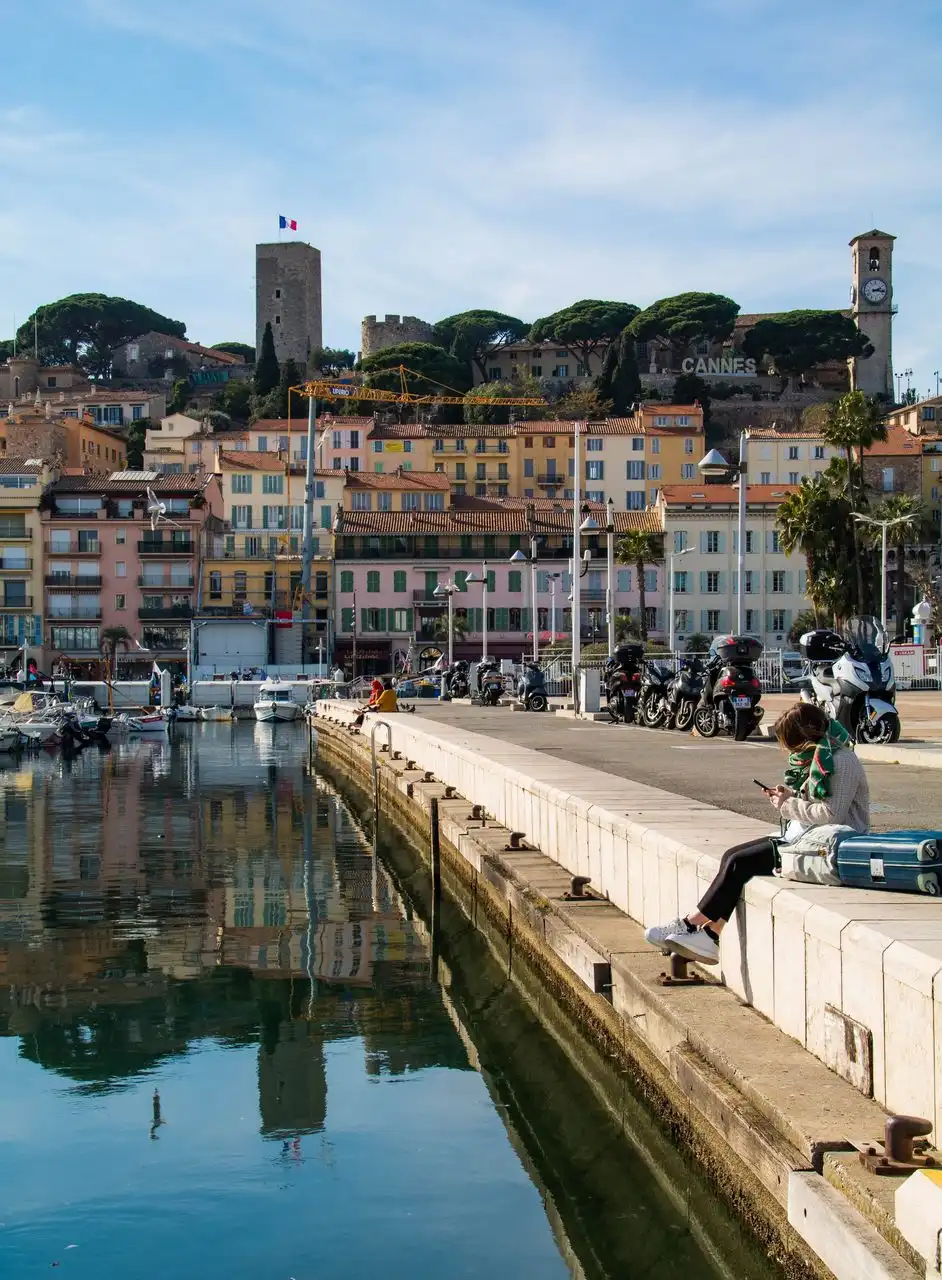

Watch our video library
43°23 7°21

43°23 7°21
YoutubeREBOOT
FATHOMING
YoutubeREBOOT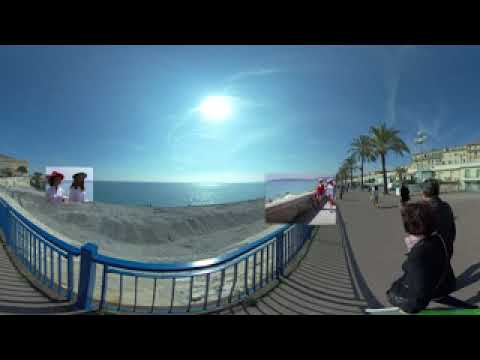
LOOKING FOR AGNES
YoutubeREBOOT
Filmtitel: Verloren im Meer
YoutubeREBOOT
Movie title: Lost in the Sea
YoutubeREBOOT
Filmtitel: Blutnacht um Mitternacht
YoutubeREBOOT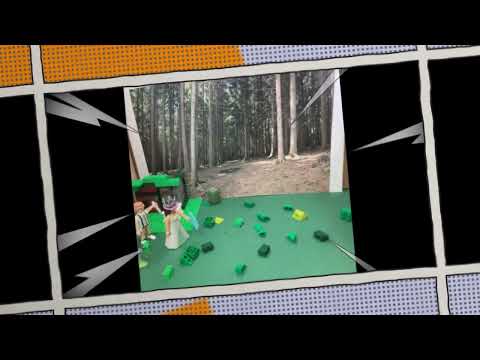
Movie title: Blood night at midnight
YoutubeREBOOT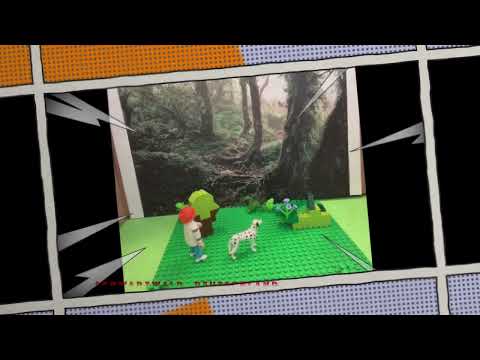
Filmtitel: Der Fluch der Totenkreiger
YoutubeREBOOT
Movie title: The curse of the warriors of Death
YoutubeREBOOT
Making minds matter | Erasmus University Rotterdam
YoutubeREBOOT
University of Warsaw
YoutubeREBOOT
Il contributo della Scuola Superiore Sant Anna per un mondo migliore nell anno 2019/2020
YoutubeREBOOT
WELCOME TO EUROCINEMA
YoutubeREBOOT
About the EBU
YoutubeREBOOT
Welcome to the University of Vienna
YoutubeREBOOT